

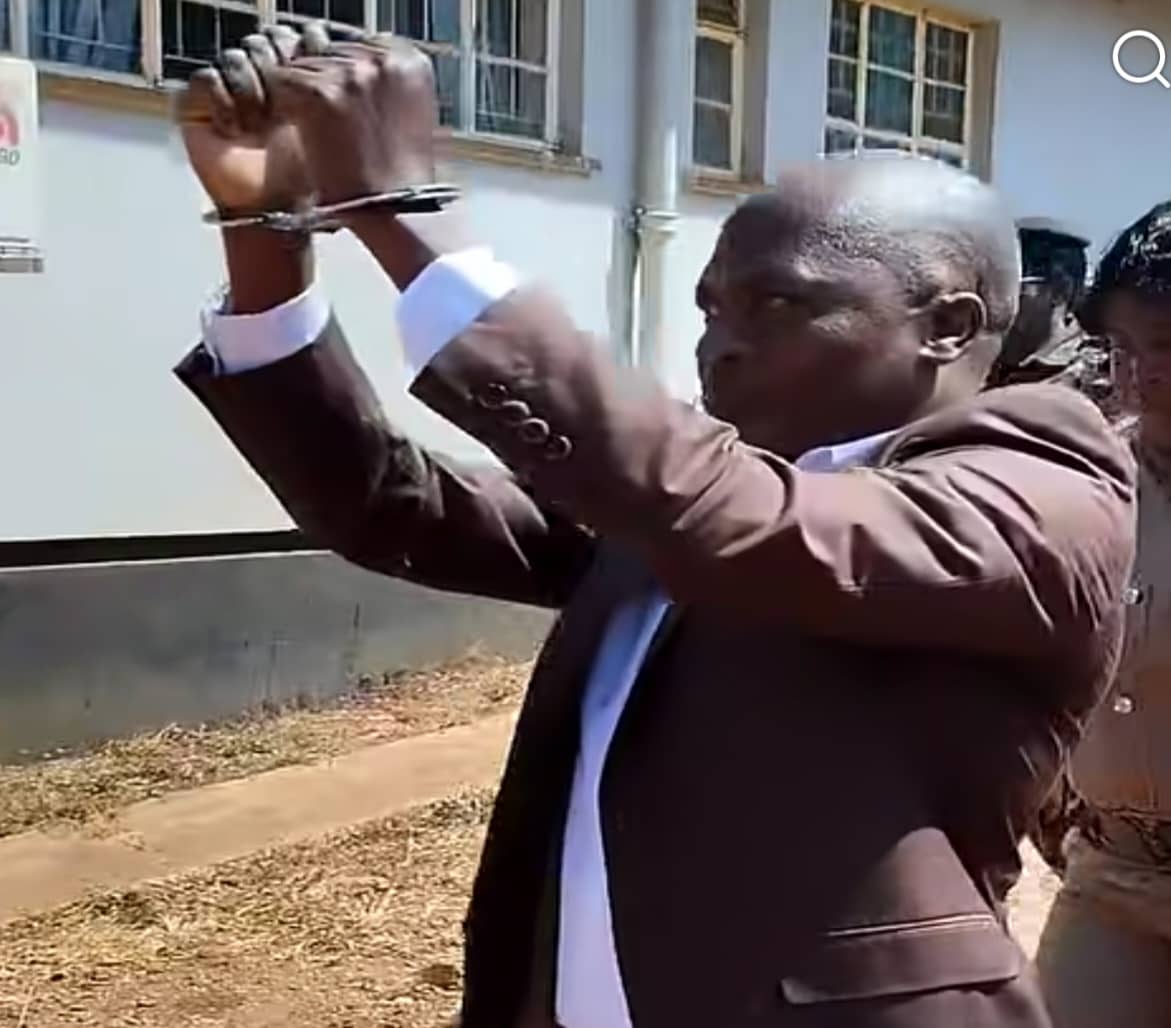

High Court Poised to Rule on Namiwa's Bail
The High Court of Malawi is scheduled to deliver a critical ruling today regarding the bail application of prominent rights activist Sylvester Namiwa. According to a notice of delivery issued by Judge Mzonde Mvula, the verdict on the application will be handed down starting at 10 a.m. This development concludes weeks of anticipation for Namiwa, who has remained in custody since his arrest in late July.
Namiwa’s legal team had sought release from detention, arguing for his right to liberty while his case proceeds through the judicial system. The timing of the ruling comes as the serious treason trial against him continues to advance through the Malawian courts. Judge Mvula’s confirmation of the delivery date provides a specific timeline for the resolution of the bail request, which has been a central focus of the ongoing legal proceedings for the activist and his supporters.
Weeks of Custody Precede Key Decision
Sylvester Namiwa has been held in custody since July 30, 2026, marking a significant period of pre-trial detention. His arrest followed his response to a police summons at the National Police Headquarters in Lilongwe. The activist’s continued incarceration has drawn attention to the judicial process and the rights of those accused of serious offenses. The High Court's decision on his bail application is therefore not merely a procedural step but a pivotal moment that will determine Namiwa's immediate future – whether he will be released pending trial or remain in detention.
The legal arguments surrounding the bail application would have focused on various factors, including the likelihood of Namiwa absconding, the potential for him to interfere with witnesses, and the strength of the prosecution's case. While the specific details of these arguments were not included in the notice of delivery, the High Court's impending ruling will reflect its assessment of these considerations within the framework of Malawian law.
From Initial Arrest to Grave Treason Accusations
Namiwa's journey through the legal system began with his apprehension on July 30, 2026. Initially, he was held on allegations of publishing false news and engaging in conduct likely to cause a breach of peace. These preliminary charges, often associated with public statements or gatherings, typically carry less severe penalties than the charges that subsequently emerged.
However, the nature of the legal case against Namiwa has escalated significantly since his initial detention. Before the matter was committed to the High Court, the Lilongwe Chief Resident Magistrate’s Court formally charged him with treason under Section 38(1)(a) of the Penal Code. In addition to the treason charge, he faces a separate count for the publication of false news likely to cause public fear and alarm. This progression from initial allegations to formal, severe charges underscores the gravity with which the authorities are treating Namiwa's case.
The Contentious Television Interview
The serious charges against Sylvester Namiwa stem from statements he allegedly made during a television interview on Luntha TV in July. In these remarks, Namiwa reportedly claimed that Vice President Jane Ansah would become President within two months. This declaration was described by reports as "explosive" and a "bombshell," with assertions that it sent shockwaves through the country's political landscape.
The specific allegation regarding the Vice President’s succession forms the basis for both the treason charge and the false news charge. The prosecution alleges that these statements, if proven to be false and intended to cause public fear or to undermine the constitutional order, violate multiple sections of Malawian law. The claim of a premature presidential succession, particularly when made by a public figure like a rights activist, could be interpreted by the prosecution as an attempt to destabilize the government or incite public unrest, thereby leading to the severe treason accusation. Namiwa has not publicly responded to the specific legal allegations in the provided records, but his detention has persisted throughout the escalation of charges from initial police custody to formal High Court proceedings.
Implications of Treason Charges for Rights Activists
The decision to charge Sylvester Namiwa, a known rights activist, with treason carries significant implications beyond the immediate legal proceedings. Treason is one of the most serious offenses in any legal system, typically involving acts against the state or its sovereign. In Malawi, as elsewhere, such charges can have a chilling effect on freedom of expression and the activities of civil society organizations.
The legal framework under which Namiwa is charged includes Section 38(1)(a) of the Penal Code, which specifically addresses treason. This section is designed to protect the state from direct threats to its existence or constitutional order. However, its application in cases involving public statements by activists often raises questions about the balance between national security and fundamental human rights, including the right to free speech and political commentary.
The Legal Weight of Section 38(1)(a)
Section 38(1)(a) of the Penal Code defines treason, and a conviction under this section can lead to severe penalties. The prosecution's decision to pursue this charge indicates their belief that Namiwa's alleged statements went beyond mere criticism or political speculation and constituted a direct challenge to the established government and its legitimate succession protocols. The concurrent charge of publishing false news likely to cause public fear and alarm further underscores the prosecution's view that Namiwa's remarks had the potential to create widespread instability.
For rights activists, facing such grave charges can be daunting. It often entails prolonged legal battles, significant personal and financial strain, and a potential curtailment of their ability to advocate for human rights. The outcome of Namiwa's bail application and the subsequent treason trial will therefore be closely watched by both the legal community and human rights observers, as it could set precedents for how similar cases involving freedom of expression are handled in Malawi.
The Path Through Malawi's Judicial System
The case against Sylvester Namiwa has moved through the lower courts before reaching the High Court, illustrating the multi-tiered nature of Malawi's judicial system. The Lilongwe Chief Resident Magistrate’s Court was responsible for formally charging Namiwa with treason prior to the case being committed to the higher court. This procedural step indicates that the magistrate’s court determined there was sufficient evidence to warrant a trial at the High Court level, given the serious nature of the charges.
Judge Mzonde Mvula is now tasked with ruling on the bail application while the broader treason case continues its progression. The outcome of this bail decision will determine whether Namiwa remains in detention or is released pending the final verdict of the substantive treason trial. The notice of delivery specifies that the judgment will be issued from 10 a.m., marking a definitive point in the legal timeline for the activist.
The charges against Namiwa remain under active review by the judiciary. The treason charge, cited as Section 38(1)(a) of the Penal Code, carries significant legal weight and is distinct from the initial allegations of breach of peace. The publication of false news charge remains concurrent with the treason count, indicating that both aspects of Namiwa's alleged conduct are central to the prosecution's case. No further details regarding the specific arguments presented by the defense or the prosecution for the bail application were included in the notice of delivery, emphasizing that the immediate focus of this judicial phase is strictly on the determination of Namiwa’s release status while the substantive trial proceeds in due course.