


Strategic Focus on Financial Services and Technology
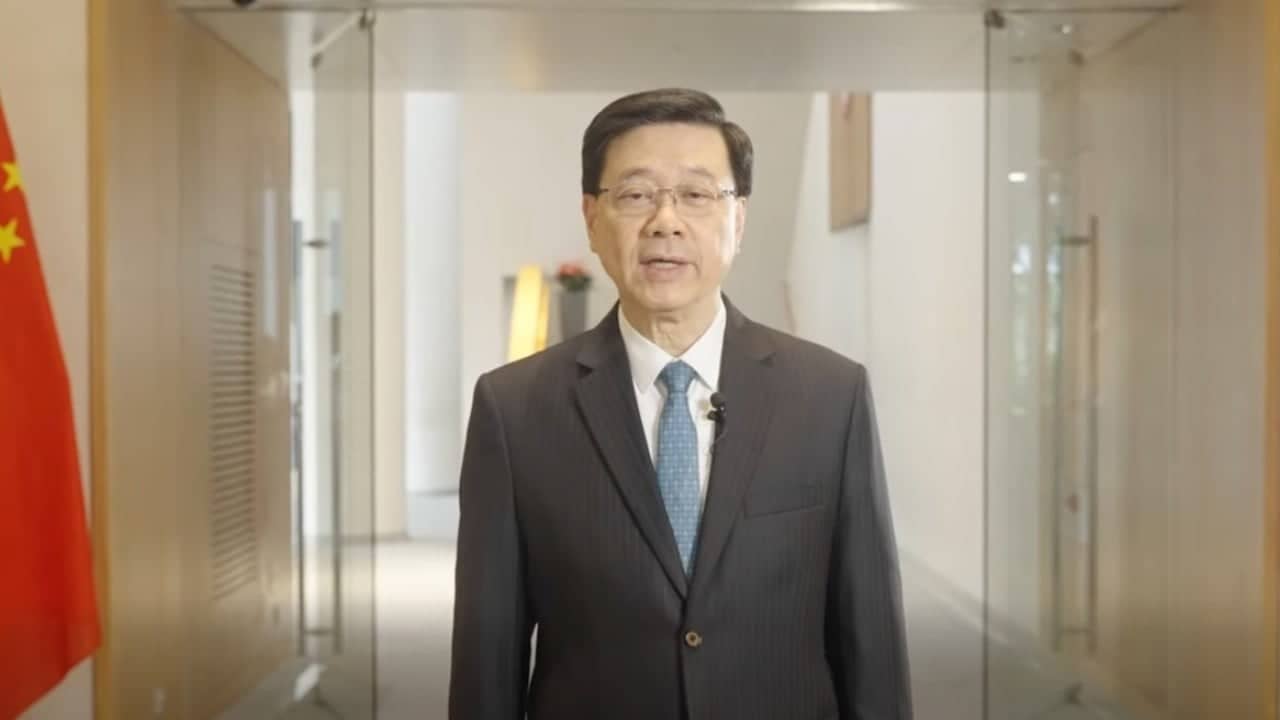
Hong Kong’s Chief Executive, John Lee Ka-chiu, has identified financial services, innovation and technology, and education as three key new growth drivers for the city. These priorities were announced ahead of the unveiling of Hong Kong’s inaugural five-year development blueprint and its annual policy address.
Lee made these remarks on Saturday, emphasizing the need for individuals and industries to demonstrate vision and plan for the future. He stated that the two upcoming documents are closely linked and mutually reinforcing in their approach to economic development.
The chief executive outlined that Hong Kong’s first five-year plan would focus on outlining broad strategies and setting clear development directions. This blueprint is designed to align with the nation’s 15th five-year plan. In contrast, Lee noted that the annual policy address would concentrate on detailing specific measures to be implemented within those broader strategic frameworks.
Lee expressed confidence in his administration's ability to energize the market and achieve "new gains" for the city. He urged Hongkongers and all sectors to adopt a long-term vision, stating, "We will remain pragmatic, continue to unleash market vitality, and constantly cultivate new growth drivers for Hong Kong," he said regarding the city’s five-year plan.
Specific Initiatives in Finance and Innovation
In detailing how these growth drivers would be operationalized, Lee highlighted several specific initiatives that he claimed had already injected new momentum and created fresh opportunities for the region.
Among the key financial sector developments, Lee pointed to the effective operation of the central gold clearing system. He also emphasized efforts to develop a comprehensive commodities trading ecosystem, aiming to strengthen Hong Kong’s position in global trade finance.
In the realm of innovation and technology, Lee focused on cross-border collaboration. He highlighted initiatives aimed at attracting leading global enterprises to the Hetao innovation hub, formally known as the Hong Kong-Shenzhen Innovation and Technology Park. This focus underscores the administration's intent to leverage regional integration for technological advancement.
Education Sector Expansion
Alongside financial and technological sectors, education was identified as a critical pillar of the new growth strategy. Lee highlighted the development of a university town as a key initiative in this area. The goal is to integrate educational resources with industrial needs, fostering an environment conducive to research and development.
The combination of these three sectors—financial services, innovation and technology, and education—forms the core of the administration's current economic outlook. Lee’s statements serve as a precursor to the formal release of the five-year plan, which will provide more detailed structural guidelines for this transition.
Alignment with National Planning Frameworks
The timing of these announcements is significant as it precedes the official publication of the city's first five-year development blueprint. The document aims to set clear development directions that are consistent with national objectives.
By aligning with China’s 15th five-year plan, Hong Kong’s leadership is positioning the special administrative region within the broader context of national economic strategies. This alignment is intended to facilitate smoother integration and resource allocation between Hong Kong and mainland China.
Lee’s emphasis on pragmatism and market vitality suggests a continued reliance on private sector engagement to drive these new growth engines. The administration expects that by cultivating these specific sectors, the city can sustain its economic relevance amid changing global dynamics.
Market Expectations and Future Outlook
The announcement has set the stage for expectations regarding how these broad strategies will translate into tangible policy measures in the upcoming annual address. While the five-year plan provides the directional framework, the policy address is expected to deliver the concrete steps required to execute this vision.
Lee’s call for a long-term vision reflects an acknowledgment of the need for sustained planning rather than short-term fixes. The identification of financial services, innovation and technology, and education as primary drivers indicates a strategic shift toward high-value industries that rely on specialized talent and global connectivity.
As the city prepares for the release of these documents, stakeholders across various sectors are anticipated to review the proposed strategies for potential impacts on their respective fields. The success of initiatives such as the central gold clearing system and the Hetao innovation hub will likely be closely monitored as indicators of the plan’s effectiveness.
The administration remains focused on unleashing market vitality through these targeted efforts. Lee’s statements provide a clear outline of the priorities that will guide Hong Kong’s economic policy in the coming years, with the detailed implementation plans to follow in the subsequent official releases.