


Internal Debates Over Leadership and Trust
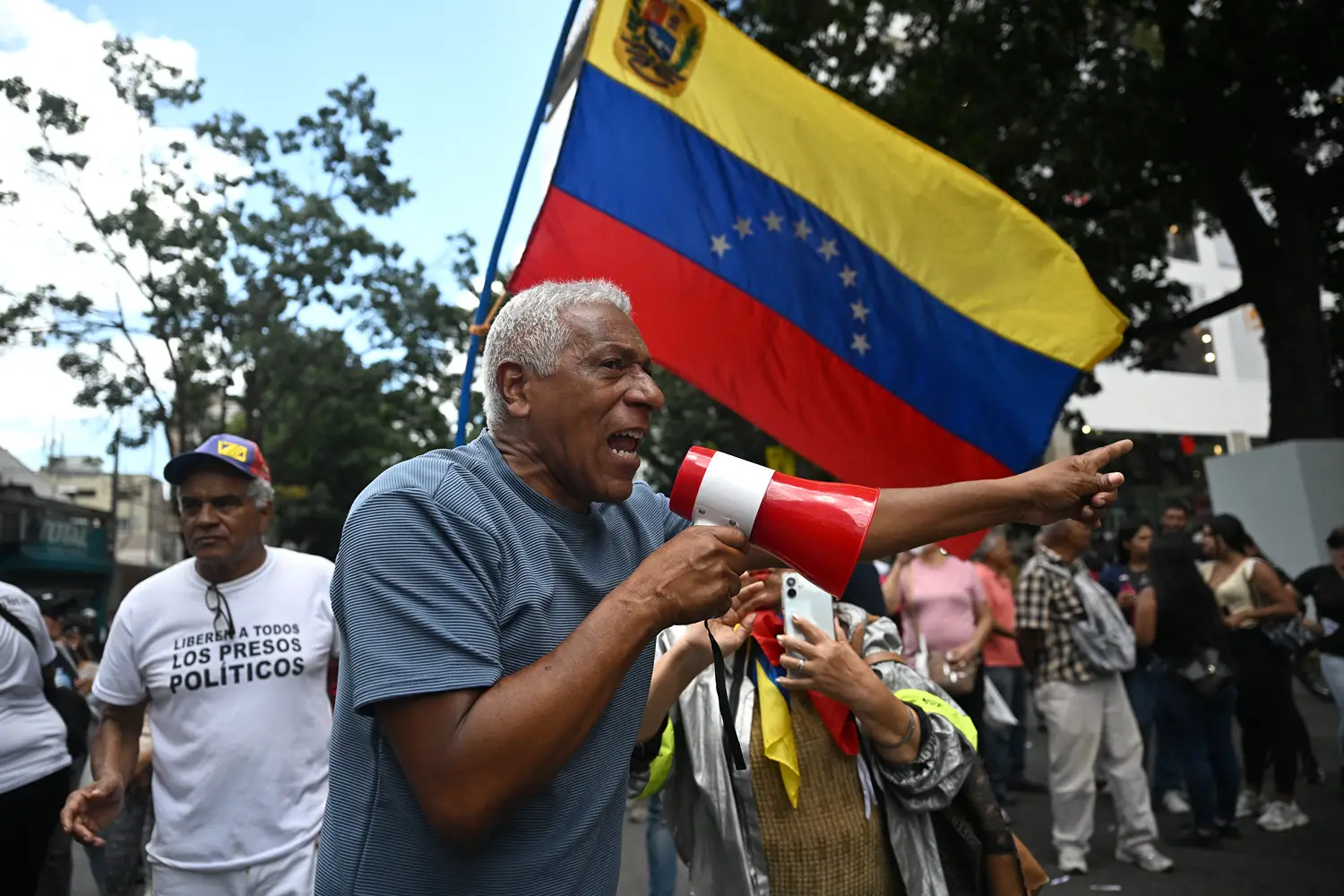
Venezuela’s political opposition is currently engaged in a strategic assessment of how to remove Delcy Rodriguez from her position of authority. According to reports, the group is navigating significant internal challenges as it attempts to formulate a coherent path to power. A primary concern within these deliberations involves the question of who among the dissident factions can be trusted to lead such an effort.
The search for a viable strategy has led opposition members to scrutinize potential allies and leaders closely. Reports indicate that there are lingering doubts and uncertainties regarding the reliability of various figures within the broader opposition movement. These concerns have complicated efforts to present a unified front against the current government structure headed by Rodriguez. The internal divisions and lack of consensus on trustworthy leadership are reportedly hindering the development of a cohesive plan, potentially weakening the opposition's overall effectiveness.
Observers note that the opposition’s ability to coalesce around a single figure or strategy remains uncertain. The lack of clear consensus on leadership has fueled speculation about the group’s capacity to execute a successful political maneuver. Dissidents are reportedly weighing their options carefully as they attempt to identify a trustworthy path forward, recognizing that internal cohesion is paramount for any sustained challenge to the existing power structure. The ongoing debates over who can be relied upon suggest a history of mistrust or past disappointments within the movement, making current efforts to unify particularly complex.
The internal scrutiny extends beyond individual leaders to the very strategies being considered. Without a foundational level of trust among key stakeholders, the implementation of any strategy, however well-conceived, could be undermined by internal sabotage or a lack of full commitment. This dynamic places a heavy burden on the opposition to not only devise a plan but also to build or rebuild the necessary internal relationships to execute it effectively against Delcy Rodriguez's administration.
Strategic Shift Away from External Support
In addition to internal organizational challenges, the opposition is reportedly seeking to achieve its goals without relying on external assistance. Specifically, reports highlight a deliberate effort to distance the movement from any dependence on former U.S. President Donald Trump. This strategic pivot suggests an attempt to frame the struggle for power as an indigenous political issue rather than one driven by foreign intervention, aiming to enhance its domestic legitimacy.
The decision to minimize reliance on Trump’s influence marks a notable shift in the opposition’s public posture. By seeking to operate independently of his support, the group aims to potentially broaden its appeal and legitimacy within Venezuela. This approach is reportedly intended to counter narratives, often propagated by the current government, that portray the opposition as a puppet of foreign powers. Such a perception has historically been a significant impediment to gaining widespread popular support in Venezuela and other Latin American nations, where sovereignty and self-determination are deeply valued.
This strategic move implies a recognition by the opposition that past associations with external figures or governments may have inadvertently alienated segments of the Venezuelan populace. By emphasizing self-reliance, the opposition seeks to reclaim the narrative, presenting itself as a truly national movement focused solely on Venezuelan interests. This reorientation is a calculated attempt to resonate more deeply with citizens who might be wary of foreign influence in domestic politics, thereby potentially mobilizing broader support against the government led by Delcy Rodriguez.
Implications of Reduced External Reliance
However, the practical implications of this strategic choice remain unclear. While the intention to avoid dependence on Trump is reported, it is not immediately evident how this will impact the opposition’s operational capabilities or its ability to mobilize support against Rodriguez. Reducing reliance on external actors could mean a decrease in access to resources, diplomatic leverage, or international visibility that might have been available through such connections. The opposition must now identify and cultivate alternative sources of support, whether internal or from other international partners, that align with its new emphasis on indigenous political action.
The move represents a calculated risk aimed at reshaping the political narrative surrounding the effort to topple the current administration. It prioritizes long-term legitimacy and domestic appeal over potential short-term gains from external backing. The success of this strategy will likely depend on the opposition's ability to demonstrate tangible progress and unity without the overt support of powerful foreign figures, thereby proving its capacity for self-sustained political action.
Technical Barriers to Information Access
Access to detailed analysis regarding these developments has been hindered by technical issues on the part of Foreign Policy, the publisher of the source material. The website reported a technical issue with browsers that prevented the full article from loading properly. Readers were directed to review troubleshooting tips or contact support at support@foreignpolicy.com for assistance.
Despite these access barriers, the core facts regarding the opposition’s strategic direction have been established through available reports. The combination of internal distrust and the rejection of external reliance on Trump defines the current landscape for Venezuela’s dissidents. As they continue to navigate these complexities, the focus remains on finding a sustainable path to power that does not compromise their stated principles or organizational integrity, particularly in their objective to remove Delcy Rodriguez from power.