

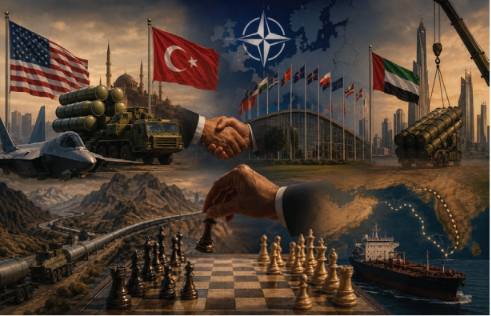

The Monetization of Defiance in Geopolitical Strategy
A new strategic concept known as the Ankara Rule describes a method by which defiance is monetized to achieve a position of indispensability. According to Rajesh Mehta and Manu Uniyal, authors who published this analysis on The Sunday Guardian, this approach involves defecting from an alliance, extracting immunity for that defection, and subsequently profiting from the original act of rebellion.
The strategy represents a departure from older geopolitical assumptions where loyalty was prioritized over strategic position. In contrast to these traditional views, the Ankara Rule suggests that in the current decade, leverage flows not to the agreeable but to the unavoidable. Mehta and Uniyal note that no state has previously monetized both directions of the same crisis before.
The authors argue that every reader works inside some system, an alliance, a ministry, or a negotiation where this rule is quietly replacing the old one. The central question posed by the report is not whether to admire this shift in strategy, but rather whether an institution's assumptions still price loyalty above position.
Historical Precedents and NATO Summit Dynamics
Turkey serves as the primary case study for this rule following actions taken in 2019. In that year, Ankara acquired Russian S-400 missiles. This acquisition resulted in Turkey's expulsion from the F-35 program and led to sanctions imposed by the United States.
Despite these significant consequences involving US sanctions and exclusion from advanced fighter programs, a different outcome occurred nearly seven years later. In July 2026, Turkey hosted NATO’s summit. Reports indicate that no censure followed this event in its capital, with declarations of tremendous unity issued during the gathering.
Mehta and Uniyal observe that Moscow reportedly views the sale of these systems positively following such diplomatic maneuvers. The timeline highlights a specific sequence: 2019 acquisition leading to sanctions, followed by July 2026 hosting without penalty. This period demonstrates how Turkey navigated between Western alliances and Russian suppliers.
Negotiations Regarding S-400 Sales
Current negotiations reportedly involve Ankara selling the same S-400 missiles to the United Arab Emirates (UAE). The authors state that F-35 readmission is being dangled as a reward for these sales. This sequence of events—defecting, extracting immunity through hosting summits without censure, and then profiting from the defection by selling assets back at a profit—is identified as unique in modern history.
The report suggests that this strategy allows Turkey to maintain its strategic autonomy while maximizing economic gain. By engaging with multiple blocs simultaneously, Ankara positions itself as an unavoidable player rather than seeking agreement within existing frameworks.
Implications for Global Power Structures
The analysis implies a broader shift in how international relations are conducted during the current decade. The principle suggests that leverage is gained by being unavoidable rather than agreeable. This contrasts with previous eras where states prioritized maintaining alliances over pursuing independent strategic interests.
Mehta and Uniyal write that this rule replaces older assumptions regarding statecraft. Institutions must now consider whether their internal pricing mechanisms still value loyalty above position or if they have adapted to the new reality demonstrated by Turkey's actions between 2019 and July 2026.