


The Central Role of Semiconductors in Geopolitics
In the contemporary era defined by rapid advancements in Artificial Intelligence (AI), semiconductors have emerged as a critical necessity for nations worldwide. The availability and control of semiconductor infrastructure are now central to current geopolitical discussions, influencing how countries approach their technological sovereignty and strategic development.
Every country requires proper semiconductor infrastructure to support its AI-driven initiatives. This universal need has transformed chips from mere commercial components into pivotal elements of national security and economic strategy. As nations compete to harness the power of AI, the ability to secure a reliable supply of advanced chips has become a primary objective for governments and industries alike.
The geopolitical landscape is currently being reshaped by chip restrictions imposed by various international actors. These restrictions are not only affecting trade flows but are also fundamentally altering global AI strategies. Nations are reassessing their dependencies on foreign technology providers, leading to a fragmented market where domestic capabilities are increasingly prioritized over global integration.
Nvidia's Challenges and Huawei's Strategic Opportunity
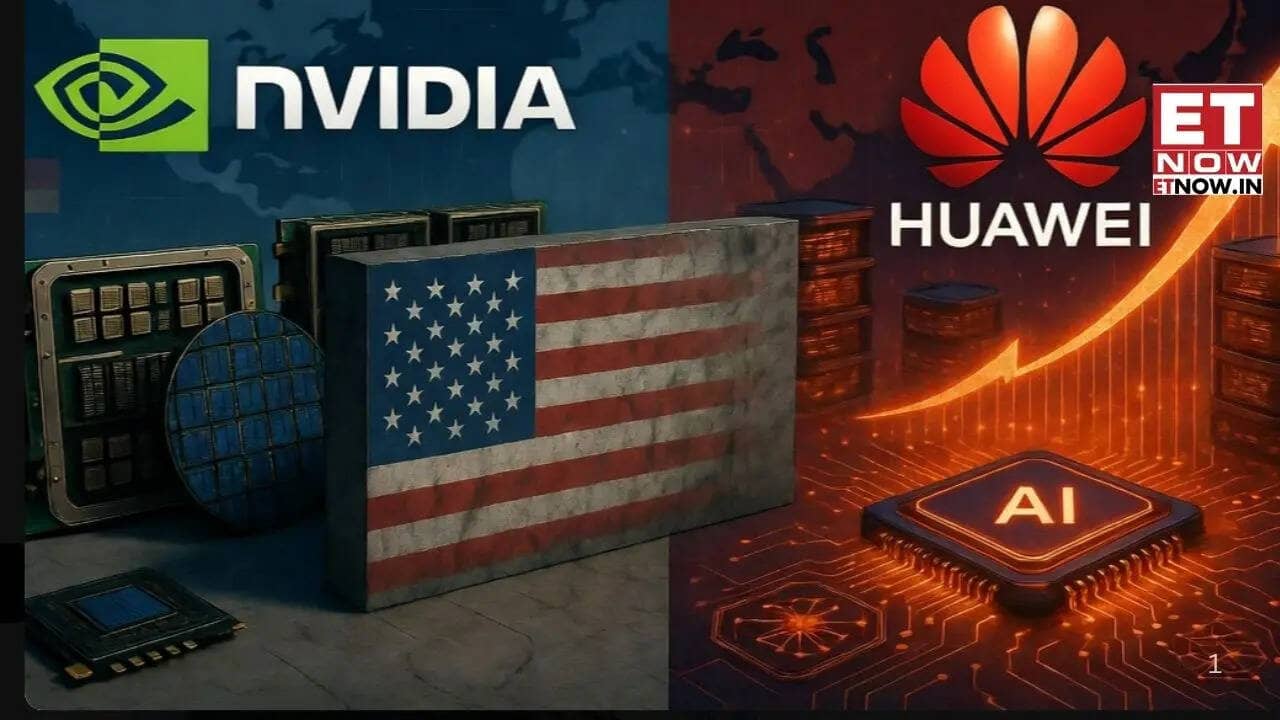
Within this complex environment, the competition for AI ambitions in China is primarily centered between two major entities: Nvidia and Huawei. Recent developments indicate that Nvidia is facing significant setbacks in the Chinese market. These challenges stem from the broader context of export controls and restrictions that limit the availability of high-performance computing chips to China.
According to reports, these setbacks for Nvidia might mark a big win for Huawei's AI ambitions. As Nvidia struggles to maintain its foothold due to regulatory hurdles, Huawei is positioned to capitalize on the vacuum. The company is leveraging this opportunity to expand its own semiconductor offerings and strengthen its position in the domestic market.
The shift in momentum between these two tech giants illustrates the tangible impacts of geopolitical policies on corporate fortunes. While Nvidia has historically dominated the global AI chip market, its inability to fully serve the Chinese market due to restrictions has allowed competitors like Huawei to accelerate their development and deployment of alternative solutions.
Implications for Global AI Infrastructure
The competition between Nvidia and Huawei extends beyond corporate rivalry; it reflects a broader struggle for control over the foundational technology of the future. As China seeks to reduce its reliance on foreign semiconductor suppliers, the success of domestic players like Huawei becomes crucial to its national goals.
This dynamic is forcing other countries to reconsider their own approaches to semiconductor infrastructure. The example set by the US-China chip war is influencing policy decisions globally, with many nations investing heavily in local chip manufacturing and research to ensure they are not left behind in the AI race.
Reshaping Global Strategies
The current situation underscores how chip restrictions are actively reshaping global AI strategies. Countries are no longer viewing semiconductor supply chains as purely commercial matters but as strategic assets that require state-level protection and promotion.
As the competition intensifies, the focus remains on who can develop and deploy advanced AI technologies most effectively. With Nvidia facing setbacks in China, Huawei's rise represents a significant shift in the balance of power within the global semiconductor industry. This shift is likely to have long-lasting effects on the development and adoption of AI technologies worldwide.
The interplay between geopolitical policy and technological innovation continues to evolve. As nations navigate these challenges, the role of semiconductors as the backbone of modern digital infrastructure remains undeniable. The outcomes of this competition will determine not only the future of the tech industry but also the economic and security landscapes of participating nations.