

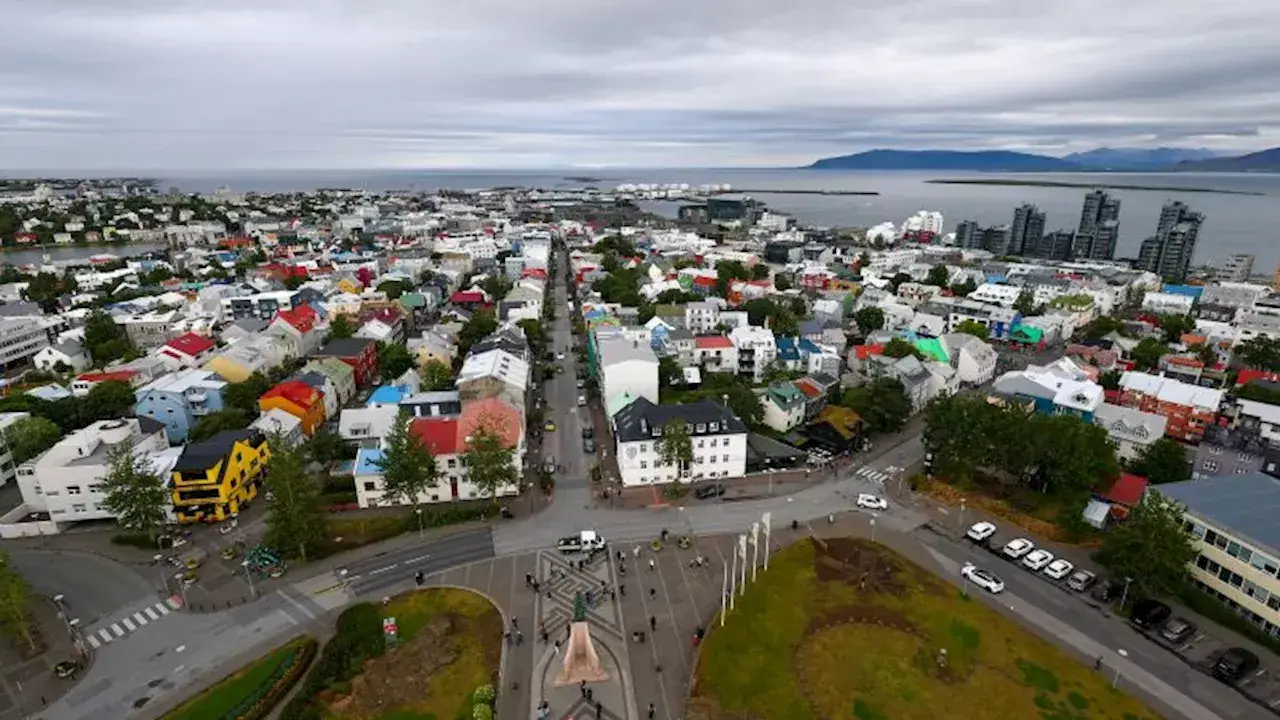

Referendum Date Set for Summer Ballot
Iceland is preparing to hold a pivotal national referendum on Saturday, with government officials selecting a balmy summer day for the vote. The ballot measure asks residents whether they support restarting long-frozen talks regarding the country's potential accession to the European Union.
The timing of the vote contrasts with the nation's typical climate conditions. Iceland’s freezing temperatures usually persist for approximately five months of the year, yet the administration has opted for warmer weather during this period of civic decision-making.
This referendum represents a significant moment in the country's foreign policy trajectory. The question on the ballot addresses the status of negotiations that have been dormant for several years, requiring public input to determine if diplomatic efforts toward EU membership should be reactivated.
Historical Context of Membership Bid
The current push to restart talks follows an initial application submitted by Iceland in 2009. That application was lodged in the aftermath of a severe financial crisis that devastated numerous families and businesses across the Nordic island nation. At the time, the country’s population was recorded at only 400,000 people.
Following the submission of the initial bid, the accession process moved forward for a period before encountering political obstruction. A few years into the process, an incoming center-right government halted the EU ambitions, effectively putting the membership aspirations on ice.
The decision to seek membership in 2009 was directly linked to the economic turmoil that affected the nation. The financial collapse served as the primary catalyst for seeking closer integration with European economic structures, aiming to stabilize the domestic economy through broader regional frameworks.
Geopolitical Influences on National Debate
The consideration of closer ties with Europe is currently unfolding under the influence of former U.S. President Donald Trump. Reports indicate that the political landscape shaped by Trump's policies and presidency is a factor in Iceland's current weighing of its European relationships.
Observers note that the global political environment has shifted, prompting small Nordic nations to re-evaluate their strategic partnerships. The shadow of American political influence is cited as a reason for reconsidering traditional alliances and exploring deeper integration with European institutions.
Iceland's geographic position in the North Atlantic places it at a crossroads of geopolitical interests. As major powers navigate changing diplomatic landscapes, smaller nations are assessing how to maintain sovereignty while securing economic and security guarantees.
Public Sentiment and Political Implications
The referendum requires a direct expression of will from the Icelandic electorate. With the previous government having halted accession talks, the restart of these negotiations depends on the outcome of this vote.
Political analysts suggest that the result could redefine Iceland's role in European affairs. A vote to restart talks would signal a desire to re-engage with Brussels, potentially altering trade, regulatory, and security cooperation frameworks.
Conversely, a rejection would likely cement the status quo of non-membership while maintaining close bilateral ties with individual EU member states without formal institutional integration.
Economic and Security Considerations
The initial 2009 application was driven by economic necessity. The financial crisis that prompted the bid had widespread effects on the population, leading to demands for stability and recovery mechanisms provided by larger economic blocs.
Current discussions regarding EU membership may also involve security concerns. As global alliances shift, small nations often look to regional organizations for collective defense and diplomatic support.
The interplay between domestic political will and external geopolitical pressures defines the current debate in Iceland. The government's choice of a summer referendum date highlights the importance placed on this civic exercise.
Next Steps Following the Vote
If the referendum passes, the government would be mandated to resume negotiations with European Union institutions. This process would involve complex technical and legal discussions regarding compliance with EU laws and regulations.
The outcome will also influence Iceland's relationship with neighboring Nordic countries, many of which are already EU members or closely aligned with European policies.
Residents casting their ballots on Saturday will determine the immediate future of Iceland's diplomatic orientation. The result will reflect the public's assessment of both historical economic lessons and contemporary geopolitical realities.