

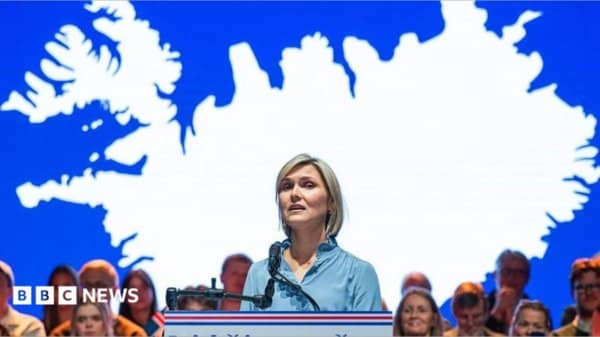

Voters Face Tight Race Over EU Membership Talks
On Saturday, citizens in the island nation of nearly 400,000 people will cast ballots to decide whether Iceland should resume negotiations for joining the European Union. The referendum is being described as a knife-edge contest, with recent polls indicating that the outcome is too close to call.
The vote represents a critical juncture for the Nordic country, which has historically maintained a distinct separation from EU political structures despite its geographic proximity. Prime Minister Kristrún Frostadóttir, who won a snap election in 2024, supports Iceland's accession to the bloc. Her position highlights the current government's push for deeper integration with European partners.
The decision carries significant weight for Iceland's economy and political sovereignty. The referendum is not merely a symbolic gesture but a direct vote on whether to restart formal dialogue regarding membership, a process that was previously paused by earlier administrations.
Fishing Industry Dominates Economic Debate
At the center of the controversy is Iceland's fishing industry, which accounts for almost 40% of the nation's exports. The sector is a focal point for both supporters and opponents of EU membership, as control over fishing rights is a primary concern for voters.
Inside waterfront factories, workers wearing hairnets and blue overalls are currently sorting freshly caught cod and haddock. Machines process these fish into fillets, with the majority of the product bound for European markets. This industrial reality underscores the economic ties that already exist between Iceland and the EU, even without formal political membership.
Pétur Pálsson, the boss of Visir fishing, has voiced strong opposition to joining the European Union. He fears that EU membership would result in job losses and cause factories to move abroad. "If we are in the EU, they will be the ones who make the policy," Pálsson said, emphasizing the fear of external control over domestic industry.
Opponents of EU membership argue that Iceland's sovereignty and its control over what they describe as "priceless" fishing waters are at stake. They contend that joining the bloc would allow the European Union to dictate national policy regarding fisheries, potentially undermining Iceland's ability to manage its own natural resources independently.
Supporters Cite Currency Stability and Cost of Living
Conversely, supporters of closer ties with the European Union argue that membership offers economic benefits that address pressing domestic issues. They believe that joining the bloc could help stabilize Iceland's volatile currency, which has experienced significant fluctuations in recent years.
Beyond currency stability, proponents point to the high cost of living as a key factor driving support for EU integration. They argue that access to the single market and stronger economic ties with European neighbors could help tame inflationary pressures and reduce expenses for Icelandic consumers.
The debate has divided Icelanders for decades, reflecting long-standing tensions between maintaining national independence and seeking economic security through regional alliances. The upcoming vote will determine whether this fault line leads to a new era of cooperation or a reaffirmation of Iceland's solitary path.
Implications for Future Policy
The result of the referendum will dictate the immediate future of Iceland's foreign policy and economic strategy. If voters approve resuming talks, the government will engage in negotiations that could take years to conclude. If the vote fails, Iceland is likely to continue its current arrangement, maintaining close trade relationships without formal political union.
The outcome is being watched closely by neighboring European nations, as it reflects broader trends in how non-EU countries navigate their relationship with the bloc. The role of the fishing industry in this decision highlights the specific economic vulnerabilities and priorities that small, resource-dependent nations face when considering larger political unions.
As voters head to the polls, the central question remains whether the potential benefits of currency stability and lower living costs outweigh the perceived risks to national sovereignty and control over fishing waters. The answer will be determined by a narrow margin in a nation where the sea has always played a defining role in its identity.