

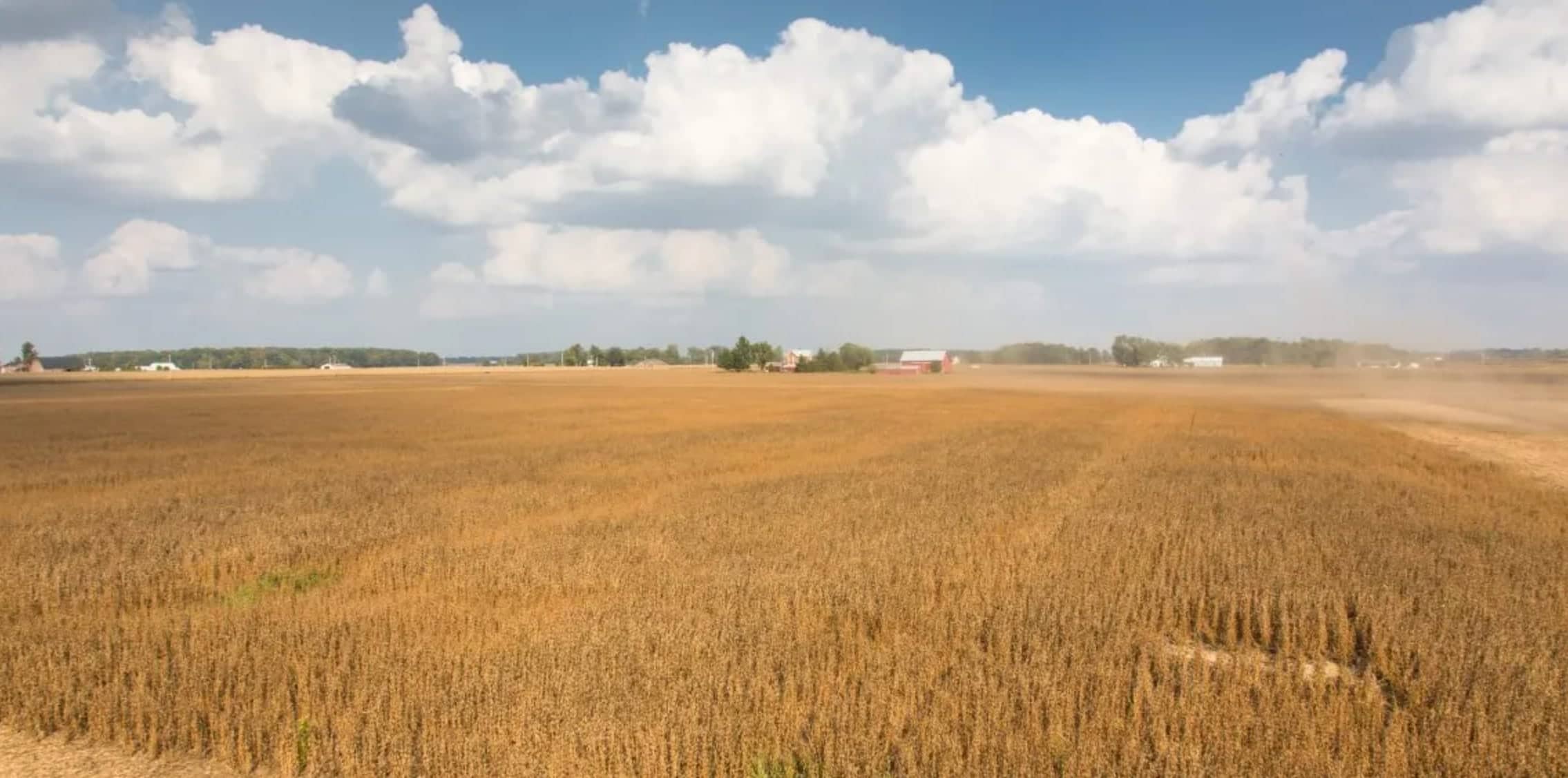

Illinois's Abundant Soybean Harvests Face New Market Realities
Illinois stands as a leading agricultural state, with soybeans being a cornerstone crop for its farmers. The fertile lands consistently yield significant harvests, positioning Illinois as a major producer in the global market. However, this very abundance has recently presented a complex challenge: a substantial surplus of soybeans that traditional market channels are struggling to absorb. This oversupply situation has prompted agricultural producers across the state to proactively seek innovative solutions to maintain their economic footing.
The current exploration by Illinois farmers into alternative uses for their soybean crops is a direct response to these evolving market dynamics. While soybeans have long been a versatile commodity, primarily used for animal feed, oil extraction, and export, the sheer volume of recent harvests necessitates a broader perspective on their potential applications. Farmers are now evaluating options that extend beyond these conventional uses, aiming to unlock new value streams for their produce.
Exploring Alternative Markets for Surplus Crops
Illinois farmers are currently evaluating a range of alternative uses for their surplus soybean harvests. The primary options under consideration involve utilizing the beans as fuel sources, with potential applications extending to both human consumption and vehicle fuel. This strategic pivot reflects a growing recognition that relying solely on established markets may no longer guarantee the economic stability essential for agricultural producers.
The concept of 'fuel' in this context encompasses a broad spectrum of possibilities. For human consumption, it refers to the development and promotion of soy-based food products that can directly nourish people, potentially increasing local demand. For vehicles, it points towards the conversion of soybeans into biofuels, such as biodiesel, which can power transportation and industrial machinery. This dual approach aims to diversify the demand for soybeans, creating new outlets for the state's significant agricultural output.
Economic Drivers Behind the Shift
The search for new markets stems from the substantial quantity of soybeans grown in the region. According to reporting, the sheer volume of production has led to an oversupply situation that traditional consumption channels have not fully absorbed. This imbalance between supply and demand can exert downward pressure on prices, directly impacting the profitability and financial health of farm operations.
Farmers are looking beyond standard dietary consumption to find viable outlets for their crops. The consideration of using beans for fuel represents a strategic pivot aimed at stabilizing income streams in the face of surplus inventory. Ensuring economic stability for agricultural producers is the paramount motivation driving this exploration. Without diversified markets, farmers face increased vulnerability to global price fluctuations, trade policies, and shifts in international demand, all of which can severely affect their livelihoods.
Local Consumption Questions
A report published by Capitol News Illinois and the Medill Illinois News Bureau examined the disparity between production levels and local intake. The publication noted that Illinois grows millions of bushels of soybeans annually, highlighting the state's immense capacity for agricultural production.
The report explicitly asked why more of these beans are not being eaten within the state. This inquiry underscores a significant gap between agricultural output and local dietary habits, prompting the current search for alternative uses such as fuel. Bridging this gap by encouraging greater local consumption could provide a more stable, in-state market for a portion of the surplus, reducing reliance on distant markets and complex supply chains. The question posed by the report emphasizes the potential for Illinois residents to play a more direct role in supporting their local agricultural economy through increased consumption of soy-based products.
Beyond Traditional Markets: New Avenues for Soy Utilization
The exploration into alternative uses for surplus soybeans signifies a proactive effort by Illinois farmers to innovate and adapt to changing market conditions. By considering soybeans as a versatile 'fuel' source, producers are opening doors to a wider array of applications that could secure their economic future.
Soy as a Food Source: Expanding Human Consumption
One significant area of focus is expanding the use of soybeans for direct human consumption. Soybeans are a rich source of protein, fiber, and essential nutrients, making them a valuable component of a healthy diet. Currently, a relatively small fraction of Illinois's vast soybean harvest is processed into food products for local consumption. Increasing this proportion could involve developing new soy-based food items, promoting existing ones like tofu, tempeh, soy milk, and edamame, and integrating soy protein into a wider range of processed foods. This approach not only addresses the surplus but also aligns with growing consumer interest in plant-based diets and sustainable food sources. Creating a stronger local market for food-grade soybeans could provide farmers with a more direct and potentially more profitable outlet for their crops.
Industrial and Biofuel Applications
Another critical avenue being explored is the conversion of soybeans into industrial products and biofuels. The most prominent example is biodiesel, a renewable fuel that can be used in diesel engines. Producing biodiesel from surplus soybeans offers several benefits, including reducing reliance on fossil fuels, lowering greenhouse gas emissions, and creating a new industrial demand for agricultural products. This aligns with broader environmental and energy independence goals. Beyond biodiesel, soybeans can also be processed into various industrial materials, such as plastics, lubricants, inks, and adhesives. These applications represent a significant opportunity to divert surplus crops into non-food sectors, providing a stable market for farmers while contributing to the development of bio-based industries. The challenge lies in establishing the necessary processing infrastructure and ensuring competitive pricing for these alternative products.