

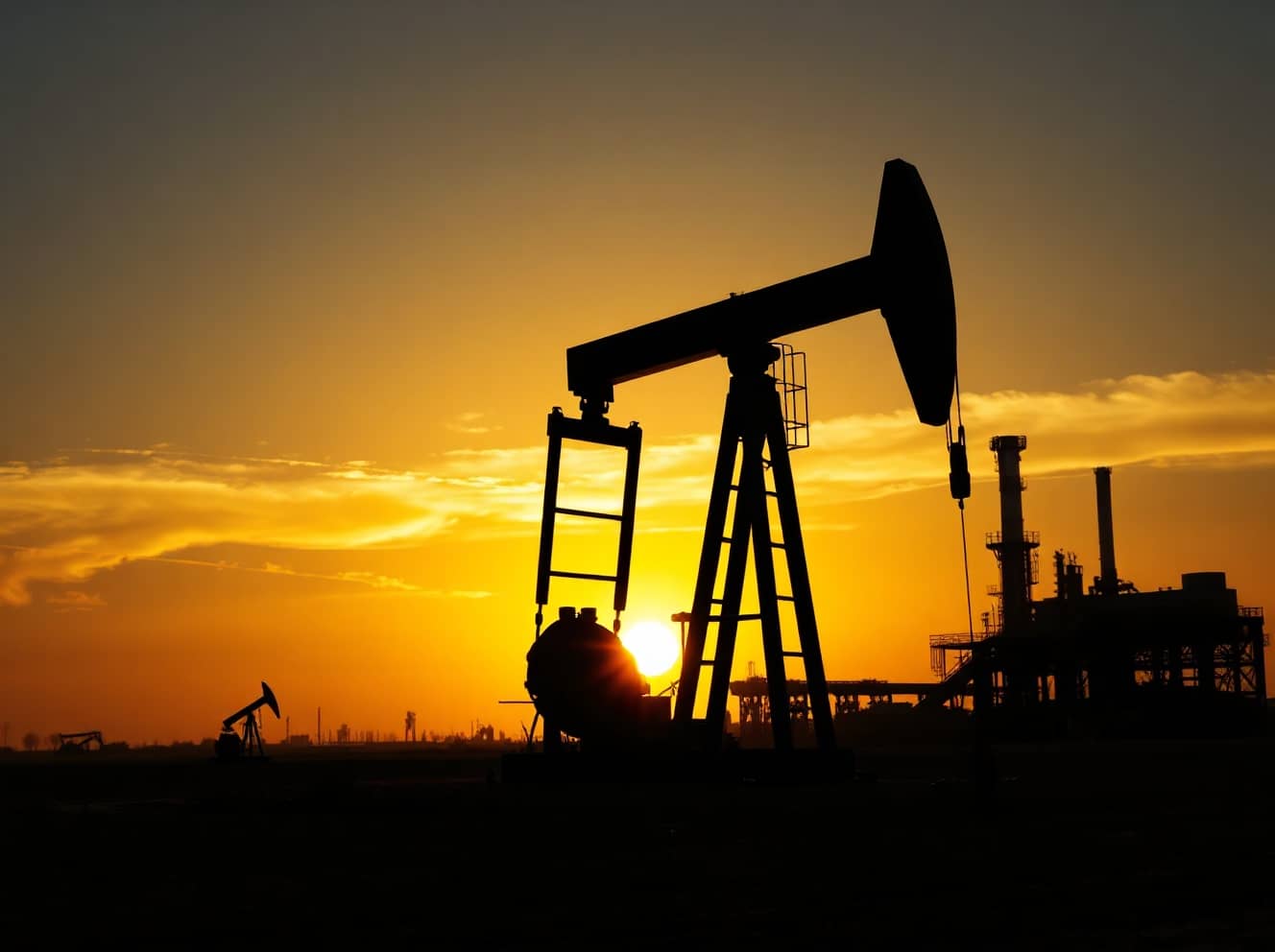

Oil Prices React to Geopolitical Escalation
WTI crude oil futures surged past $82 per barrel on [date], marking a significant and rapid movement in global energy markets. This price increase was directly driven by escalating tensions between the United States and Iran, which have rekindled deep-seated concerns about the stability of oil supplies from the Middle East. The market’s reaction reflects a growing anxiety regarding the possibility of future supply constraints, even as current global inventory levels remain relatively well-supplied. This volatility underscores how swiftly geopolitical signals can influence commodity pricing, often irrespective of immediate physical shortages.
The latest uptick in WTI prices follows a series of pointed diplomatic and military signals exchanged between Washington and Tehran. These developments have reignited fears among traders and analysts about the potential for disruptions to oil supplies from the Middle East, a region that remains a critical source for global crude production. The market’s immediate and pronounced reaction highlights the extreme sensitivity of energy markets to any perceived threat to the integrity of key shipping lanes, particularly those in politically volatile areas.
In such periods of heightened geopolitical risk, a 'risk premium' is often factored into oil prices. This premium accounts for the perceived likelihood of future supply interruptions, leading to speculative buying and pushing prices higher even when the immediate supply-demand balance appears stable. The current situation exemplifies this dynamic, where the potential for future instability outweighs present abundance in the eyes of many investors.
The Strait of Hormuz: A Vital Chokepoint Under Pressure
The Strategic Importance of the Waterway
A primary driver of the current price surge is the increased naval presence deployed by the United States in the Strait of Hormuz. This waterway is not merely a shipping lane; it is a critical chokepoint, geographically narrow and strategically vital, through which a substantial portion of the world’s crude oil passes daily. Its unique position at the mouth of the Persian Gulf makes it an indispensable conduit for major oil producers in the region to access global markets. Any disruption to this passage would have immediate and far-reaching consequences for energy security worldwide, impacting economies reliant on a steady flow of crude.
The concentration of global oil shipments through the Strait means that any threat to its navigability sends immediate ripples through international energy markets. The deployment of additional naval assets by the United States signals heightened vigilance and readiness from Washington, contributing significantly to the perception of elevated risk among market participants who understand the Strait's irreplaceable role in global energy infrastructure.
US Naval Presence and Iranian Warnings
The United States' decision to increase its naval presence in the Strait of Hormuz is widely interpreted as a measure to deter potential aggression and ensure the free flow of maritime traffic. This military posturing, while intended to stabilize the region, simultaneously amplifies the sense of tension and potential for confrontation, directly impacting market sentiment.
In response to these military movements and the broader context of international pressure, Iran has issued threats to close the Strait of Hormuz if its oil exports are further restricted. This counter-threat adds a profound layer of uncertainty to the region’s security landscape. An actual closure or any significant interference with shipping traffic in the Strait would have immediate and severe implications for global energy supply chains, potentially leading to a sharp spike in oil prices and significant economic disruption worldwide. The interplay between US naval deployments and Iranian warnings creates a volatile environment where the risk of sudden supply interruption is perceived as exceptionally elevated.
Market Dynamics Amidst Perceived Supply Risk
Perception Outweighs Current Supply Levels
The combination of military posturing and assertive diplomatic rhetoric has created an atmosphere of significant apprehension in financial markets. Traders are actively pricing in the potential for supply disruptions, a scenario that often leads to speculative buying even when physical oil stocks are currently adequate. The United States’ actions in the Strait of Hormuz are viewed as a direct response to existing regional tensions and a signal of Washington's resolve, while Iran’s threats serve as a deterrent against further economic pressure, particularly concerning its oil exports.
Market observers consistently note that the current price move reflects growing anxiety over the *possibility* of supply constraints rather than an actual deficit. Although global inventories remain relatively well-supplied, the fear of future disruption and the potential for a sudden halt in a critical supply route outweigh current abundance in the eyes of many investors. This dynamic is characteristic of energy markets during periods of acute geopolitical instability, where the risk premium attached to crude oil rises sharply as market participants attempt to hedge against unforeseen events.
The market’s focus is not on the present availability of oil but on the vulnerability of its future flow. This forward-looking anxiety means that even a low probability of a high-impact event, such as a disruption in the Strait of Hormuz, can significantly influence pricing, creating a disconnect between immediate physical supply and market valuation.
Broader Economic Repercussions of Elevated Crude Prices
The surge in WTI prices above $82 per barrel carries broader implications for global energy markets and a wide array of economic indicators. Higher oil prices can have a cascading effect, directly influencing inflation rates by increasing the cost of production and transportation across numerous industries. This, in turn, can lead to higher prices for consumer goods and services, potentially eroding purchasing power.
Furthermore, elevated crude prices translate into increased transportation costs for businesses and consumers alike, impacting everything from airline tickets and shipping freight to daily commutes. These rising costs can dampen consumer spending patterns and investment, potentially slowing economic growth in oil-importing nations. The current situation starkly demonstrates how quickly geopolitical events, even those without immediate physical impact on supply, can translate into significant financial market volatility and tangible economic pressures worldwide.
As tensions persist between the United States and Iran, market participants will continue to monitor developments in the Strait of Hormuz and the broader diplomatic landscape closely. Any further escalation or de-escalation of military or diplomatic signals could lead to significant and rapid price swings in crude oil. The ongoing interplay between Washington and Tehran remains the central focus for analysts assessing the near-term outlook for crude oil prices and its potential impact on the global economy.