

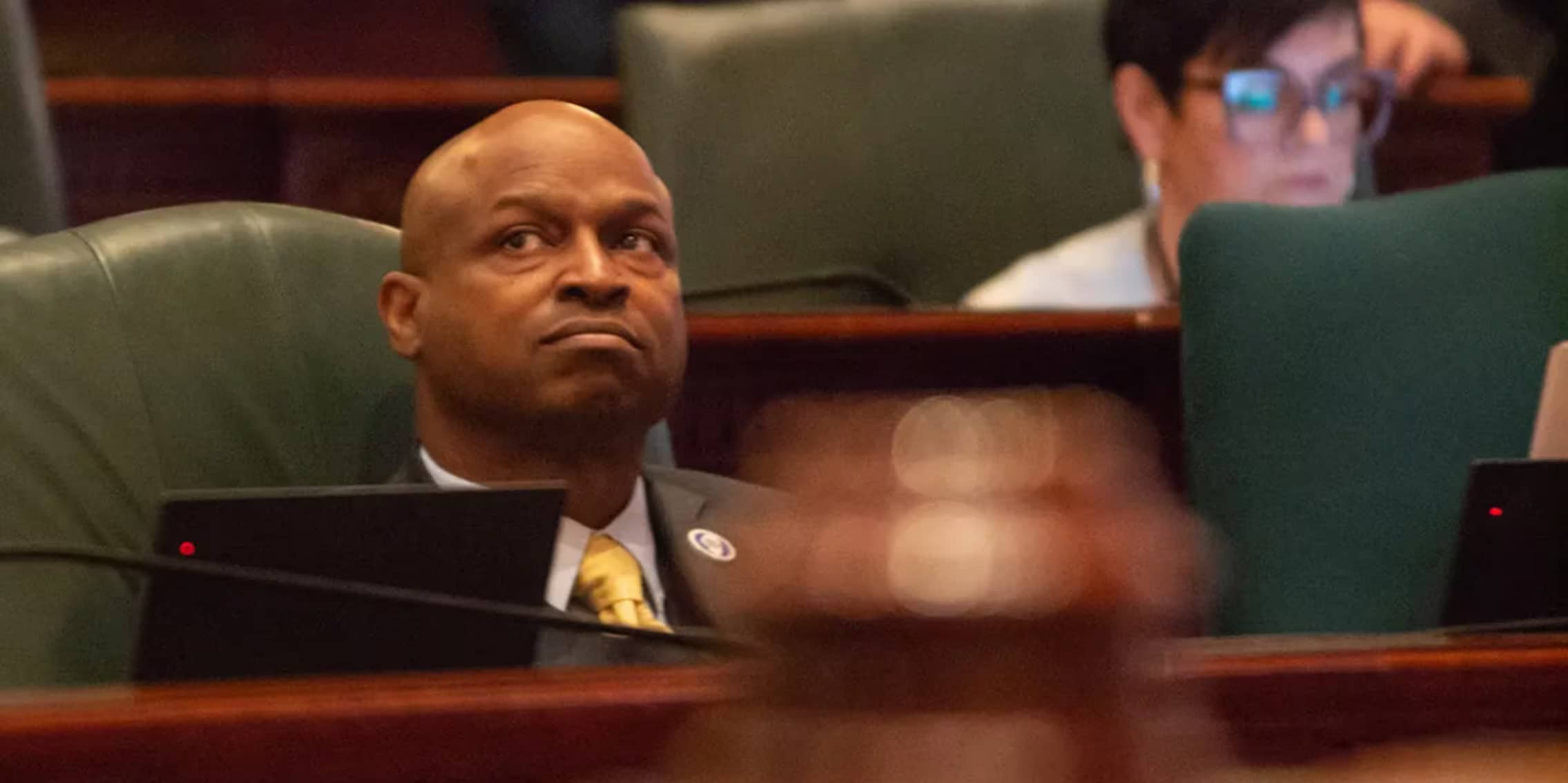

Leadership Challenge Emerges After Election
Illinois House Democrats are calling for new leadership following a legislative campaign season that saw the party increase its supermajorities in both the House and Senate. A statement signed by 26 members guarantees that current Speaker Emanuel "Chris" Welch cannot win another term in January's leadership election.
The group stated they have "grown increasingly convinced that the House Democratic Caucus needs new leadership." The move marks a significant shift for the caucus, which had maintained relative quiet regarding Welch during the recent campaign cycle despite his prominent position. This internal pressure comes at a time when the party holds expanded power in Springfield, yet faces an immediate crisis of confidence in its top post.
Origins of the Leadership Dispute
The political shift stems from sexual harassment allegations against former state Rep. Harry Benton. These allegations led to an investigation by the Legislative Inspector General (LIG) and the subsequent resignation of LIG Michael McCuskey on Aug. 31.
According to a July 17 report by Capitol Fax, Speaker Welch’s office was aware of harassment claims against Rep. Benton years ago. The disclosure of this prior knowledge has contributed to the growing dissatisfaction among caucus members regarding Welch's tenure and oversight. Critics argue that the failure to act on these early warnings undermines the integrity of the caucus leadership.
Implications for Upcoming Legislative Session
The potential change in speakers could impact plans to regulate data centers and empower cities to develop sports arenas during the upcoming veto session. The leadership election in January will determine who guides these legislative priorities as Democrats hold increased power in the state government.
With the supermajorities secured, the new speaker will face immediate decisions on high-profile infrastructure and technology regulations. The outcome of the January vote will not only define the caucus's internal culture but also set the agenda for critical policy debates in the coming months.