

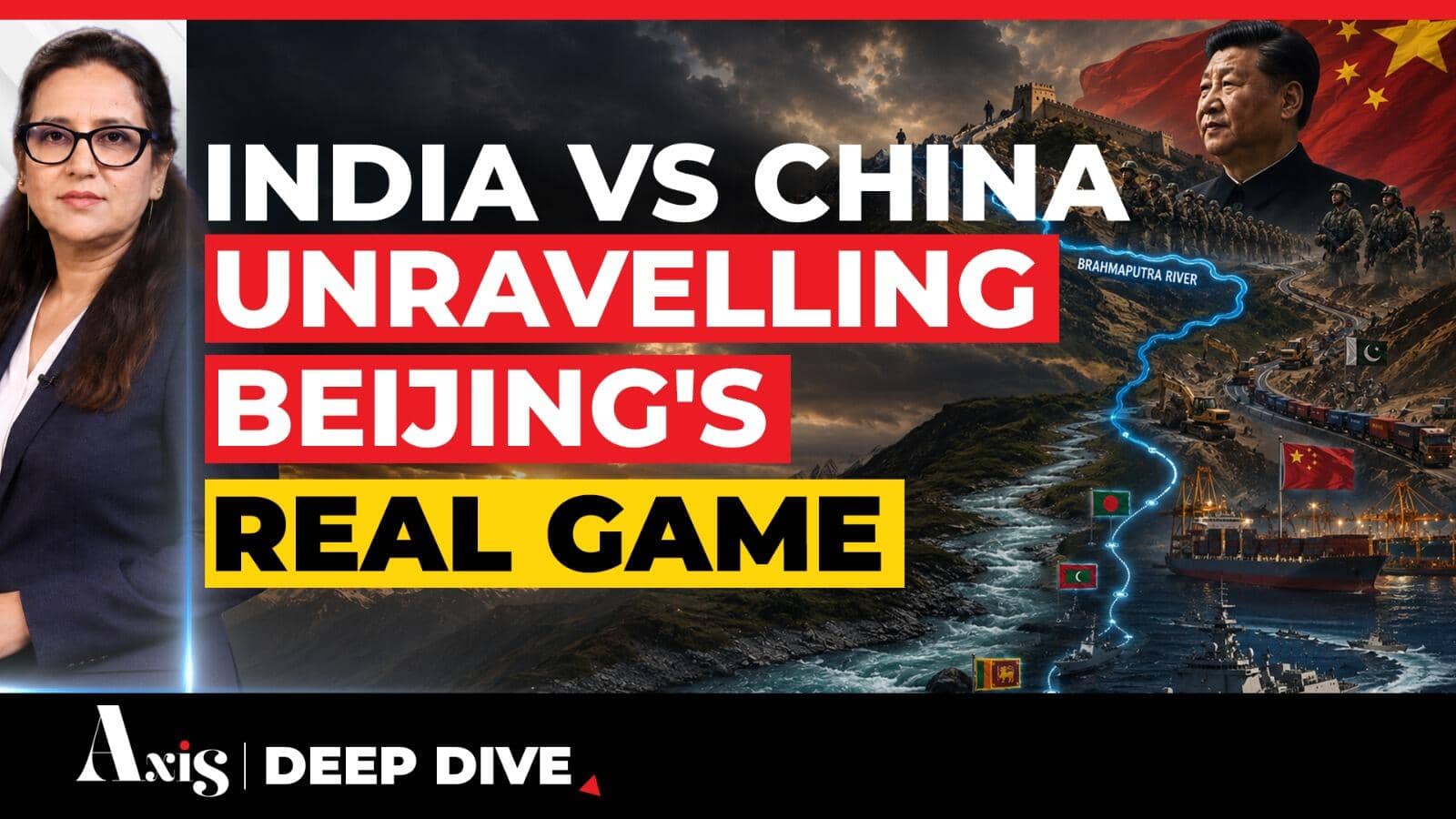

Historical Foundations of the Disputed Frontier
India and China share one of the world's longest and most disputed borders, a geopolitical reality that has defined bilateral relations for decades. According to reporting by Times Axis, the complexity of this relationship extends beyond immediate military standoffs on mountainous terrain to include historical grievances and strategic maneuvering across multiple domains.
The historical context of these tensions is rooted in significant territorial shifts. Sources indicate that China's takeover of Tibet serves as a foundational element in the current dispute, altering the geopolitical landscape for New Delhi. This shift was further complicated by the 1962 war between the two nations, an event cited in explainer segments as a critical juncture in their military history.
The border itself is not a single line but a collection of contested zones. Key areas of dispute identified in the source material include Aksai Chin, Doklam, and Galwan. These regions have been the site of various incidents that have tested diplomatic channels and military preparedness. The Doklam standoff and the subsequent Galwan clashes are specifically highlighted as recent flashpoints that have intensified scrutiny on border management protocols.
While the physical border is defined by mountains and maps, the strategic implications are broader. The dispute involves not just territory but also access to resources and influence in the surrounding regions. The presence of Chinese infrastructure projects near these disputed lines adds another layer of complexity to the security calculus for Indian authorities.
Water Resources and Regional Infrastructure
Beyond land disputes, water resources have emerged as a critical point of contention between New Delhi and Beijing. The Brahmaputra River is cited as a primary concern in bilateral relations. Flows from the river, which originate in Tibet, are subject to monitoring and potential alteration by upstream developments, raising questions about water security for downstream populations in India.
Infrastructure projects initiated by China have further complicated regional dynamics. The China-Pakistan Economic Corridor (CPEC) is identified as a significant strategic development. This project, which connects China's western Xinjiang province to Pakistan's Gwadar Port, runs through territories claimed by India, leading to diplomatic objections and strategic concerns regarding the encirclement of South Asia.
China's strategic presence in the Indian Ocean is characterized by its "String of Pearls" port network. This network involves the development or leasing of ports across the region, including locations in Pakistan, Sri Lanka, and Myanmar. These facilities are viewed as part of a broader strategy to expand Chinese naval reach and secure maritime trade routes, directly impacting India's traditional sphere of influence in the Indian Ocean.
The intersection of land-based infrastructure like CPEC and sea-based port networks creates a multi-dimensional strategic challenge. India's response has been framed as a pushback against these developments, involving actions across land, sea, water, and technology sectors.
India’s Strategic Response and Diplomatic Posture
In response to the multifaceted challenges posed by its northern neighbor, India has engaged in a growing pushback. This response is not limited to military posturing but encompasses a broader strategic framework involving diplomacy and partnerships.
Military infrastructure development is a key component of India's strategy. Reports indicate that New Delhi has been enhancing its military capabilities along the border regions to deter further incursions and secure disputed areas like Aksai Chin and Galwan. This includes the construction of roads, airfields, and forward bases to improve logistical support for troops stationed in high-altitude regions.
Diplomatically, India has sought to counterbalance Chinese influence through strategic partnerships. These alliances are designed to strengthen India's position in the Indo-Pacific region and ensure that its interests are represented in international forums. The focus is on building coalitions with other nations that share concerns about China's assertive behavior.
The engagement across land, sea, water, and technology reflects a comprehensive approach to national security. On the technological front, India is working to secure its digital infrastructure and reduce dependence on Chinese technology. In the maritime domain, the Indian Navy has increased its presence in the Indian Ocean to monitor Chinese naval activities and protect shipping lanes.
The narrative presented in the source material suggests that the relationship between India and China is defined by a continuous struggle for strategic advantage. From the historical context of the 1962 war to contemporary issues like the Brahmaputra concerns and the String of Pearls, the two nations remain locked in a complex geopolitical contest. The resolution of these tensions requires ongoing diplomatic engagement and strategic vigilance from both sides.