


Infrastructure Milestone for Northeast Connectivity
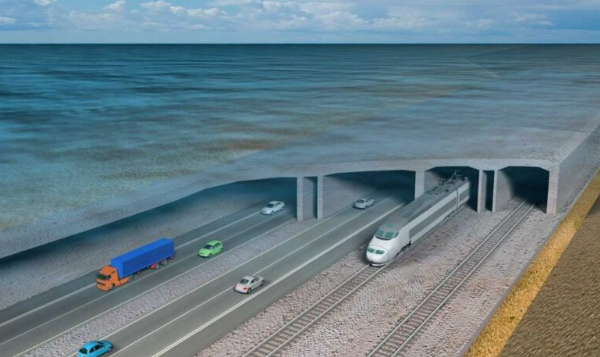
Assam is set to construct India’s first underwater road-cum-rail tunnel beneath the Brahmaputra River, marking a significant infrastructure development for the region. The project involves building a 15.79-kilometer tunnel that officials describe as one of the world’s most advanced transport projects. According to reports from the KRC Times Assam Bureau, this initiative is expected to transform connectivity across Northeast India by providing a direct subterranean route between Gohpur and Numaligarh.
The completion of the 15.79-km tunnel will drastically alter travel logistics in the state. Currently, the journey between Gohpur and Numaligarh takes nearly six hours. Upon the tunnel's operationalization, that travel time is projected to be reduced to just 20 minutes. This substantial reduction in transit duration aims to provide a faster, safer, and more reliable transport route for both passengers and goods moving through the region.
Strategic and Economic Implications
The tunnel project is positioned as a critical component in strengthening regional connectivity across Northeast India. By linking Gohpur and Numaligarh directly, the infrastructure is expected to boost trade and commerce within the state. The improved access is also anticipated to support tourism growth and contribute to broader economic development across the Northeast region.
Strategic mobility is another key objective of the project. The tunnel will connect remote areas to major transport networks, thereby integrating previously isolated locations into the national infrastructure grid. This connection is described as a step toward enhancing strategic mobility, allowing for more efficient movement of resources and personnel across difficult terrain.
Broader Development Goals
The construction of the underwater tunnel aligns with India’s broader efforts to develop world-class infrastructure. The initiative is viewed as a mechanism to accelerate the development of the Northeast region, which has historically faced geographical challenges in connectivity. By overcoming the natural barrier posed by the Brahmaputra River, the project aims to foster greater economic integration and logistical efficiency.
The tunnel will serve dual purposes, accommodating both road and rail traffic beneath the riverbed. This combined utility is designed to maximize the efficiency of the transport corridor. The project represents a significant engineering undertaking given the geographical conditions of the Brahmaputra River basin.
Implementation and Regional Impact
The announcement of the tunnel underscores the focus on modernizing transport networks in Assam. The reduction of travel time from nearly six hours to 20 minutes highlights the potential operational efficiency gains for commuters and freight operators alike. The project is expected to facilitate smoother movement of goods, which is critical for regional commerce.
As one of the most advanced transport projects of its kind globally, the tunnel sets a precedent for large-scale subterranean infrastructure in India. The successful execution of this 15.79-km project will demonstrate capabilities in complex engineering and urban planning within challenging environmental conditions.
The development of this corridor is intended to bring remote areas closer to major transport networks, thereby reducing regional disparities in access to services and markets. The integration of Gohpur and Numaligarh via this underwater link is expected to have long-term effects on the economic landscape of Northeast India, supporting sustained growth and improved logistical reliability.