


The Erosion of Strategic Empathy in New Delhi-Washington Relations
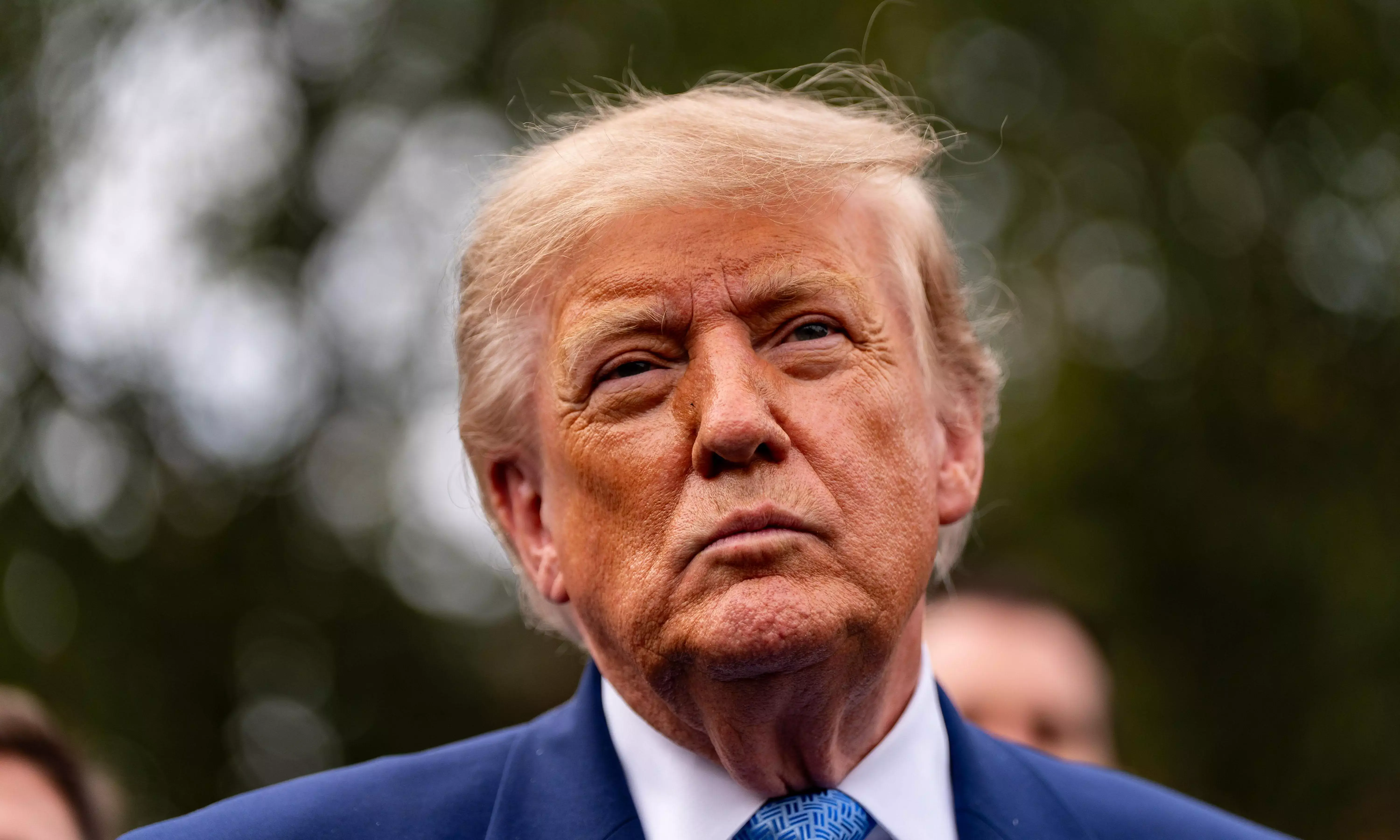
India’s ambition to position itself as a central pillar in the reorganization of global production networks faces a significant headwind: a cooling of diplomatic warmth from Washington. According to recent assessments, India-US ties may not reclaim their previous levels while Donald Trump remains in office through the end of 2028. This stagnation is driven by a persistent US view of the India-Pakistan binary, wherein Pakistani army chiefs are often preferred as partners over India’s democratically elected leaders.
This diplomatic disconnect was starkly illustrated when Foreign Minister S. Jaishankar stated in New York that the United States does not fully empathize with India regarding periodical blows from state-sponsored terrorism across the border. The sentiment suggests a fundamental misalignment in how Washington perceives New Delhi’s primary security threats, complicating efforts to deepen bilateral strategic cooperation.
Compounding these diplomatic strains is the ongoing stagnation of trade negotiations. Talks for a comprehensive US-India trade deal are dragging on, largely because India finds it impossible to make necessary compromises. The government faces immense domestic pressure from concerns over small farm holdings and the need to protect hundreds of millions of individual dairy farmers who cannot compete with imported agricultural goods.
Washington’s Pivot Toward Managed Rivalry With Beijing
While New Delhi seeks closer economic integration with Washington, the broader geopolitical narrative is being rewritten by the White House. The push for G-2 domination of global geopolitics has been highlighted by President Trump playing up to China during Xi Jinping’s recent visit. An emerging message from this engagement is that the two economies have agreed to manage their rivalry constructively, rather than allowing it to spiral into uncontrolled conflict.
Despite professing friendship with Prime Minister Narendra Modi, reports assert that Trump is "sold on Pakistan," a stance reinforced by his claim that he brought India-Pakistan military exchanges to a halt in May 2025. This prioritization of stability with Islamabad over strategic alignment with New Delhi leaves India navigating a complex diplomatic landscape where its security concerns are secondary to US-China détente efforts.
Further cementing this shift, two more US-China meetings are scheduled at the APEC and G-20 summits before the 2026 calendar ends. These upcoming dialogues signal that Washington is actively investing in channels of communication with Beijing, potentially at the expense of deepening exclusive strategic partnerships with India.
The Reality of 'Compartmentalized Interdependence'
Xi Jinping’s visit to the US is unlikely to end the strategic rivalry between Washington and Beijing. As noted by analysts from The Hindu Business Line, tariffs, technology controls, critical minerals, artificial intelligence, and industrial policy will continue to divide the two nations. However, this competition may not lead to economic disengagement. Instead, it is fostering a state of "compartmentalized interdependence," where sensitive technologies are strictly restricted while other forms of trade expand.
This dynamic has profound implications for India’s "China Plus One" strategy. The concept generally means adding another production location rather than replacing China altogether. A more managed US-China relationship could actually reinforce this pattern by weakening the incentive for firms to leave China solely due to geopolitical risk. If Washington and Beijing can manage their rivalry, the urgency for companies to diversify away from China diminishes.
China remains deeply embedded in global manufacturing due to dense supplier networks, logistics infrastructure, engineering capabilities, scale, and rapid production movement—factors that are difficult to replicate. Companies are shifting their focus from asking how much production to move out of China to assessing which dependencies create strategic vulnerability based on input criticality, supply concentration, substitutability, and disruption speed.
India’s Strategic Dilemma in a Fragmented World
Despite these challenges, India has benefited from the geopolitical reorganization of global production. Apple’s growing manufacturing footprint in India serves as a visible example, alongside expansions in electronics, pharmaceuticals, and renewable energy equipment sectors. However, maintaining this momentum requires balancing strategic ties with the US within the Quad while ensuring continued military supplies.
India now faces the challenge of prioritizing its own strategic and trade interests over those of the Global South. As Washington focuses on managing its relationship with Beijing, New Delhi must navigate a landscape where it is no longer the sole or primary focus of US foreign policy. The country must accept that while it can benefit from supply chain diversification, the overarching trend is one of managed competition between superpowers, leaving middle powers to adapt rather than dictate terms.