

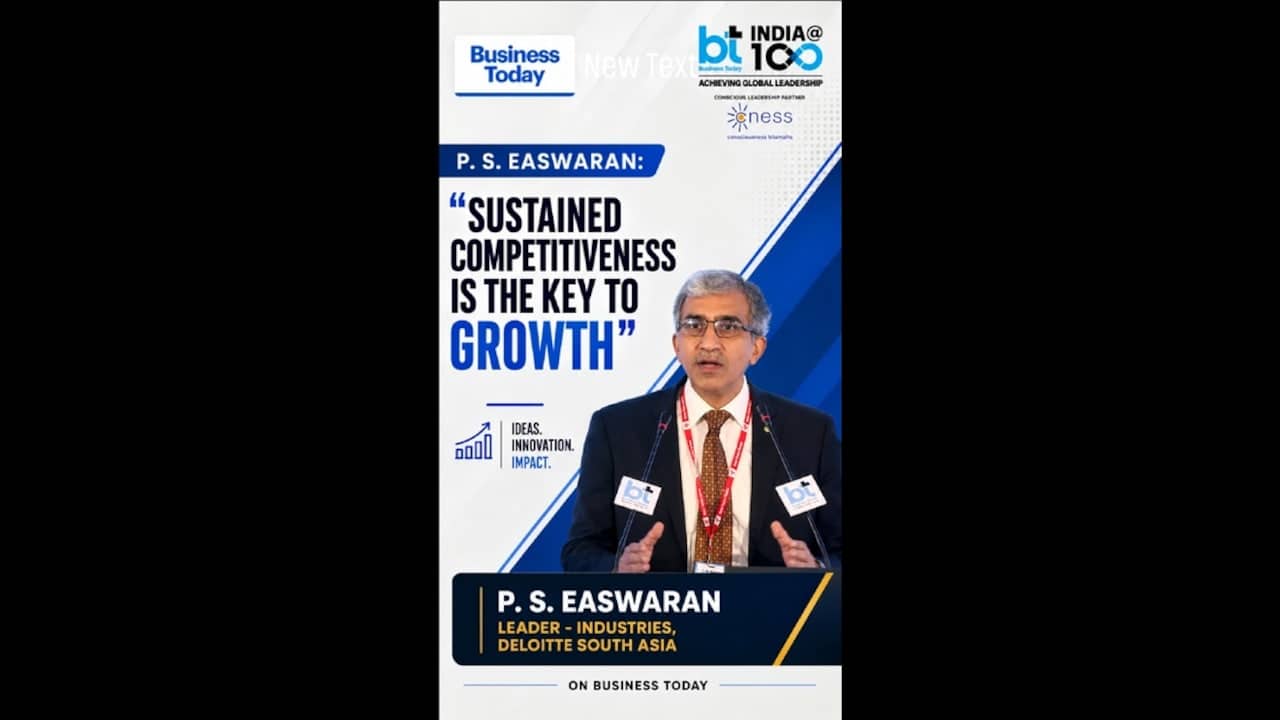

Structural Shifts in Global Trade Demand Industrial Adaptation
Global trade dynamics, geopolitical developments, and persistent economic uncertainty are actively reshaping international markets. These external forces create a complex operating environment for industrial producers, particularly those in emerging economies. For Indian manufacturers, this shifting landscape presents both challenges and imperatives for structural adjustment. The primary requirement identified for navigating these turbulent conditions is the development of stronger balance sheets. Financial robustness allows companies to withstand volatility and invest in long-term stability rather than short-term survival.
The necessity for financial resilience is not isolated to large corporations. It extends across the entire manufacturing spectrum. Companies must ensure they have adequate capital reserves to manage fluctuations in raw material costs, currency exchange rates, and logistics expenses. Without these stronger balance sheets, manufacturers risk exposure to external shocks that can disrupt operations and hinder growth trajectories. The current global context demands that financial health be treated as a core operational metric, equal in importance to production output.
Supply Chain Resilience and Productivity Metrics
Resilient supply chains have emerged as a critical component for sustained competitiveness. In an era where disruptions can originate from geopolitical conflicts or economic policy changes anywhere in the world, reliance on fragile or single-source supply networks is no longer viable. Indian manufacturers are being urged to diversify their supplier bases and strengthen logistical frameworks to ensure continuity of operations.
The Role of Productivity Enhancement
Alongside supply chain robustness, increased productivity is identified as a key factor for the survival and expansion of Indian manufacturing firms. Higher productivity levels allow companies to maintain competitive pricing structures while improving profit margins. This efficiency gain is essential when competing in global markets where cost pressures are intense. Manufacturers must adopt advanced technologies and process improvements to drive these productivity gains. The focus is on doing more with existing resources, thereby reducing waste and optimizing output rates.
The integration of technology into production lines serves as a primary driver for this increased efficiency. Automation, data analytics, and smart manufacturing techniques are being utilized to streamline workflows. These technological interventions help in identifying bottlenecks and optimizing resource allocation in real-time. The result is a more agile manufacturing ecosystem capable of responding quickly to market demands.
MSME Integration as an Ecosystem Pillar
A robust manufacturing ecosystem in India cannot rely solely on large-scale industrial units. Deeper integration of Micro, Small, and Medium Enterprises (MSMEs) is necessary to build a comprehensive and resilient industrial base. MSMEs form the backbone of many supply chains, providing essential components and services to larger manufacturers. Their stability and efficiency directly impact the overall competitiveness of the Indian manufacturing sector.
Currently, there is a recognized need to strengthen the linkages between large industries and their smaller suppliers. This integration involves sharing best practices, technology transfer, and financial support mechanisms that enable MSMEs to upgrade their capabilities. When MSMEs are integrated deeply into the broader manufacturing framework, the entire ecosystem becomes more cohesive and less vulnerable to localized disruptions. This structural cohesion ensures that a failure in one part of the supply chain does not cascade into a systemic collapse.
The government and industry bodies are increasingly focusing on policies that facilitate this integration. Initiatives aim to provide MSMEs with better access to credit, technology, and markets. By empowering these smaller entities, the overall manufacturing sector gains depth and diversity, which are crucial for long-term growth.
Strategic Policy Support and Export Expansion
To enhance exports and reduce external risks, India is pursuing a mix of policy support, innovation, and strategic trade opportunities. Policy support includes regulatory frameworks that encourage manufacturing investment, tax incentives, and infrastructure development. These measures are designed to lower the cost of doing business and improve the ease of manufacturing.
Innovation as a Competitive Driver
Innovation is being positioned as a vital tool for maintaining a competitive edge. This involves not only product innovation but also process innovation and business model innovation. Indian manufacturers are encouraged to invest in research and development to create unique value propositions for global buyers. By moving up the value chain, manufacturers can differentiate themselves from low-cost competitors and secure higher-margin contracts.
Strategic trade opportunities are also being leveraged to expand market access. This includes negotiating favorable trade agreements and participating in international forums that promote Indian manufacturing capabilities. These efforts aim to reduce dependency on traditional markets and diversify export destinations, thereby mitigating the impact of geopolitical tensions in specific regions.
The combination of these strategies—policy support, innovation, and strategic trade—is intended to build a more resilient manufacturing ecosystem. This resilience is characterized by the ability to adapt to changes, withstand shocks, and continue growing despite external uncertainties. The goal is to establish India as a reliable and competitive hub for global manufacturing, capable of sustaining long-term growth through sustained competitiveness.