


From Overseas Dependence to Indigenous Opportunity
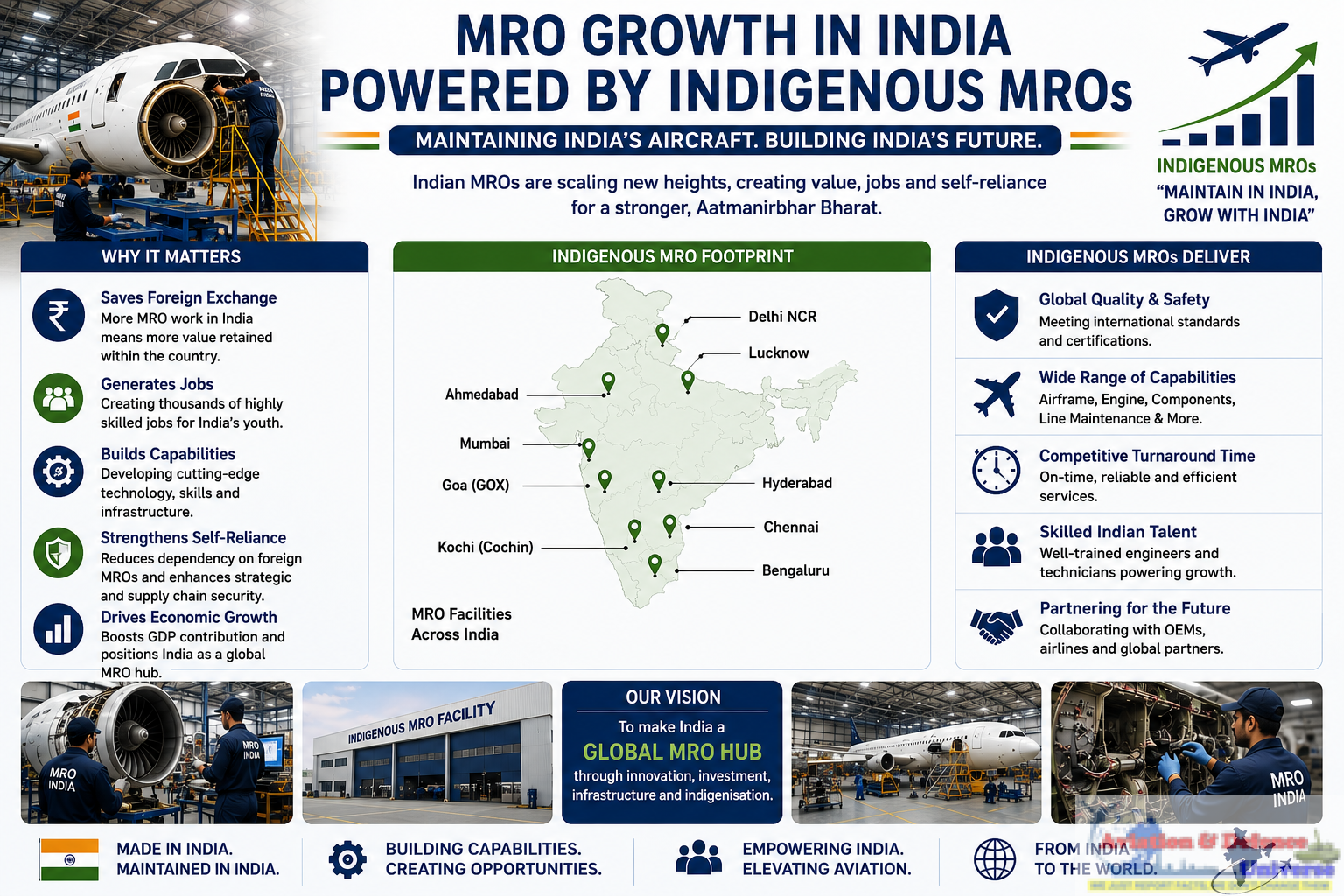
The Maintenance, Repair, and Overhaul (MRO) sector in India is undergoing a structural transition, moving away from long-standing reliance on foreign services toward fostering indigenous growth. This strategic pivot aims to establish an ecosystem described as "MRO in India, by India, and for the world." The shift represents a fundamental change in how the nation approaches aircraft maintenance, signaling that the Indian MRO industry is maturing beyond its previous operational boundaries.
Historically, the sector was characterized by basic hangar operations. According to reports from Aviation Defence Universe, the industry is now incorporating high technology into its processes. This technological integration signifies that the sector is coming of age, evolving from simple repair facilities to complex, high-tech hubs capable of supporting advanced aviation requirements.
Strategic Implications of Foreign MRO Reliance
The move toward domestic capacity is driven by strategic considerations regarding the geopolitical implications of outsourcing maintenance services. A primary concern cited in industry analysis is the cost and broader implications of sending MRO business to nations perceived as adversary-friendly.
Geopolitical Risks in Maintenance Outsourcing
Sending critical aviation maintenance contracts to countries with adversarial relationships poses significant strategic risks. The decision to maintain aircraft abroad is not merely an economic calculation but a security consideration. By keeping these operations within India, the nation seeks to mitigate the vulnerabilities associated with relying on foreign entities that may not align with its national security interests.
The source notes that this shift is part of a broader effort to reduce dependence on external powers. The strategic cost of overseas maintenance includes potential delays, access restrictions during geopolitical tensions, and the loss of technical expertise within the domestic workforce. Addressing these factors is central to the new indigenous strategy.
Building a Global MRO Hub
The goal of creating an "MRO in India, by India, and for the world" ecosystem indicates an ambition to position India as a global leader in aviation maintenance. This objective extends beyond serving the domestic Indian market or its military forces. It involves developing infrastructure and expertise that can compete internationally.
The transition from basic hangar operations to high-technology facilities is essential for meeting international standards. The industry's maturation suggests an increase in technical sophistication, allowing it to handle complex maintenance tasks for a wider range of aircraft types. This capability is necessary to attract global clients and integrate into the worldwide aviation supply chain.
Aviation Defence Universe highlights this evolution as a significant development in India's industrial landscape. The sector's growth is viewed as an opportunity to capture value that was previously lost to foreign service providers. By developing homegrown capabilities, India aims to retain economic benefits and technological knowledge within its borders.
Industry Maturation and Technological Integration
The characterization of the Indian MRO industry as "coming of age" reflects a period of substantial development. This maturity is marked by the adoption of advanced technologies that were previously unavailable or underutilized in domestic facilities. The integration of high technology allows for more efficient, accurate, and comprehensive maintenance services.
This technological upgrade is critical for the sector's competitiveness. As global aviation standards evolve, maintenance providers must keep pace with advancements in aircraft design and materials. India's focus on high-technology solutions ensures that its MRO facilities can meet these evolving demands without relying on foreign expertise.
The shift also implies a change in the workforce profile. High-technology operations require skilled technicians and engineers capable of managing complex systems. This development supports broader industrial goals by creating high-value jobs and fostering a culture of innovation within the aviation sector.
Economic and Security Benefits of Domestic Capacity
Establishing indigenous MRO capabilities offers both economic and security advantages. Economically, it reduces the outflow of capital to foreign service providers and stimulates local industrial growth. The development of a robust domestic sector can lead to increased exports of maintenance services, contributing to the national economy.
From a security perspective, controlling maintenance operations domestically ensures that critical infrastructure remains under national jurisdiction. This control is vital for maintaining operational readiness of military and civilian fleets, particularly in times of conflict or diplomatic strain. The avoidance of adversary-friendly nations for these services reduces exposure to potential sabotage, espionage, or supply chain disruptions.
The transition described by Aviation Defence Universe underscores a deliberate policy direction. By prioritizing indigenous growth, India is aligning its aviation sector with broader national security and economic independence goals. The result is an industry that is not only self-sufficient but also positioned to serve global markets on its own terms.