


Redefining Diplomatic Posture Through High-Level Engagements
India is currently undergoing a significant transformation in its foreign policy framework, moving away from the traditional doctrine of strategic independence toward a model defined by global civilizational influence. This shift is characterized by a proactive diplomatic strategy that seeks to position New Delhi not as a follower within any specific geopolitical bloc, but as an independent power capable of engaging with all sides on equal footing.
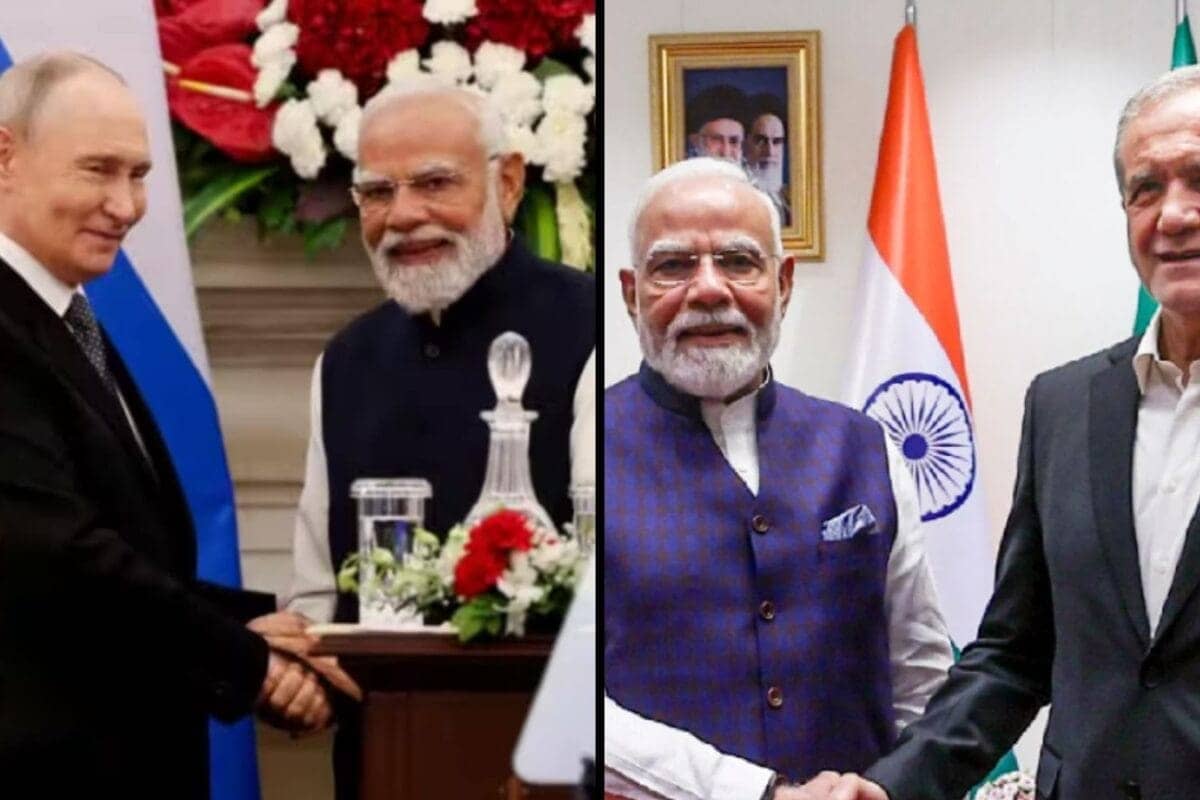
According to an opinion piece published by News 18, this evolution in India’s diplomatic posture is exemplified by Prime Minister Narendra Modi’s recent interactions with key global leaders. The article highlights engagements with Russian President Vladimir Putin and Iranian President Masoud Pezeshkian as primary indicators of this new approach. These high-level meetings are interpreted not merely as bilateral exchanges, but as demonstrations of a broader strategic intent to assert India’s role as a confident civilizational power.
The narrative suggests that a "confident Bharat" must maintain the capacity to speak to every side of global conflicts and political divides. This stance rejects the notion of being a "camp follower," implying that India no longer seeks alignment with any single superpower or coalition but instead leverages its historical and cultural weight to operate independently across diverse geopolitical landscapes.
The Mechanics of Civilizational Leadership
The transition from strategic autonomy to civilizational leadership involves a redefinition of how India interacts with the international community. Under the previous paradigm, strategic independence often meant balancing relationships between major powers to avoid entanglement. The new framework, as described in the source material, emphasizes active engagement and influence derived from India’s identity as a distinct civilization.
Prime Minister Modi’s diplomatic engagements serve as the practical application of this theory. By maintaining dialogue with leaders from nations that are often at odds with one another or with Western powers, India demonstrates its ability to navigate complex international relations without adhering to bloc politics. The engagement with President Putin underscores India’s continued ties with Moscow, while interactions with President Pezeshkian highlight New Delhi’s efforts to stabilize and influence dynamics in West Asia.
The opinion piece argues that this dual approach allows India to project itself as an independent civilizational power. This status is not derived from military or economic dominance alone, but from the ability to claim representation of a broader historical and cultural continuum. By speaking to every side, India aims to establish itself as a neutral yet influential arbiter in global affairs, rather than a subordinate participant in existing power structures.
Implications for Global Power Dynamics
This shift carries implications for how other nations perceive and interact with India. The source context indicates that the article views this moment as critical for Bharat’s future standing in the world. By framing its diplomacy through the lens of civilizational leadership, India seeks to differentiate itself from traditional middle powers that often align themselves with larger alliances.
The emphasis on not being a "camp follower" suggests a deliberate rejection of binary geopolitical choices. Instead, the strategy promotes a multipolar engagement model where India retains agency in its foreign policy decisions. This approach requires a level of diplomatic confidence that allows New Delhi to engage with adversaries and allies alike without compromising its strategic interests.
The article positions these recent engagements as evidence of a confident nation asserting its place in the global order. By leveraging its civilizational identity, India aims to expand its influence beyond traditional spheres of interest. This method of diplomacy relies on the premise that cultural and historical continuity provides a unique platform for international leadership that transcends conventional bloc-based politics.
Strategic Autonomy Versus Civilizational Influence
The distinction between strategic autonomy and civilizational influence is central to understanding India’s current diplomatic trajectory. While strategic autonomy focuses on the freedom to act without external coercion, civilizational influence adds a layer of proactive identity-based diplomacy. The opinion piece suggests that Prime Minister Modi’s engagements with figures like Putin and Pezeshkian are not just about maintaining relationships, but about actively shaping the narrative of India’s role in the world.
This perspective argues that India’s strength lies in its ability to bridge divides rather than join sides. By engaging with leaders from different geopolitical camps, New Delhi demonstrates its capacity to operate independently of the pressures that often dictate foreign policy for smaller or allied nations. This independence is framed as a key component of its emerging status as a global civilizational power.
The shift represents a move from passive non-alignment to active engagement. The source material indicates that this is a deliberate choice by the Indian government to leverage its historical depth and cultural reach in modern diplomatic contexts. Through these engagements, India aims to establish a new standard for how a rising power can interact with the global community without surrendering its sovereignty or strategic direction.