

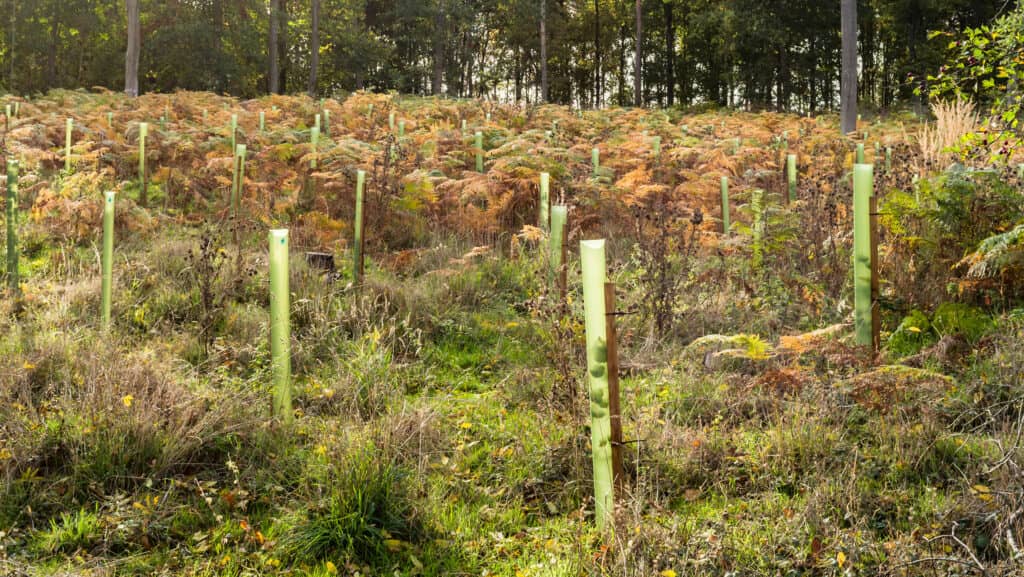

The Pressure on Rural Landscapes
For farmers and landowners in the United Kingdom, discussions regarding tree planting occur against a backdrop of challenging weather conditions, evolving policy frameworks, and geopolitical complexities. The nation is described as a small country with finite resources, yet its rural landscape is being asked to deliver significantly more output than in previous years.
This increased demand encompasses multiple sectors simultaneously. The rural environment is required to support food production, facilitate tree planting initiatives, provide housing, generate renewable energy, enhance biodiversity, and store carbon. These competing demands create a complex operational environment for those managing agricultural land.
Financial Realities and Regulatory Constraints
The economic viability of farming remains a critical factor in these discussions. Government figures indicate that the average return on capital employed for farms during the 2023-24 period was negative, standing at -0.8%. This financial metric highlights the precarious position of many agricultural businesses as they navigate additional requirements.
Regulatory frameworks further complicate land management decisions. Regulations often prohibit tree planting on higher, less productive land. These restrictions are in place to protect wildlife and preserve peatland ecosystems located at higher elevations, limiting the areas available for woodland creation.
Future Land Use Projections
Long-term projections suggest a significant shift in how agricultural land will be utilized. The Climate Change Committee estimates that by 2050, approximately 21% of agricultural land could be required specifically for carbon sequestration purposes. This projection underscores the scale of change anticipated in land use planning over the coming decades.
Voices from the Field
Rebecca Wilson, a fifth-generation farmer from the Vale of York and a social media commentator with over 50,000 Instagram followers and 2,000 YouTube subscribers, advocates for forestry and farming to go hand in hand. She emphasizes the necessity of integrating these sectors rather than treating them as separate or opposing interests.
Wilson’s perspective reflects the broader conversation among landowners who must balance traditional agricultural practices with new environmental mandates. Her significant online presence allows her to share these views with a wide audience, highlighting the personal stakes involved in policy changes that affect rural livelihoods.
Collaborative Approaches to Land Management
Industry players are already engaging with farmers on this integration. Companies such as Tilhill Forestry work directly with farmers to assess where woodland creation might fit within existing farm businesses. This collaborative assessment aims to determine viable locations for tree planting that align with current agricultural operations and regulatory constraints.
By working directly with landowners, these organizations help identify specific parcels of land suitable for forestry without compromising essential farming activities. This approach seeks to reconcile the need for carbon storage and biodiversity with the ongoing necessity of food production, offering a practical pathway for farmers facing the dual pressures of economic survival and environmental responsibility.