


Planning Review Body Upholds Initial Refusal
A bid to overturn the refusal of controversial short-term lets in the heart of Inverness has been thrown out by councillors. Highland Council’s review body unanimously rejected the application, ending a legal challenge regarding the conversion of a former office building on Ardconnel Terrace.
The decision marks the second time that planning permission for the 10 holiday lets has been denied. DC Properties had applied for a review of Highland Council’s previous decision to reject the planning application. The property is located in the Crown area, specifically on Ardconnel Terrace.
Highland Council officials determined that the proposal did not meet necessary planning standards. The review body’s unanimous vote confirms the initial refusal, preventing the development from proceeding as planned. The site, previously used for office purposes, had been the subject of a planning application to convert it into short-term accommodation.
Resident Opposition and Local Impact
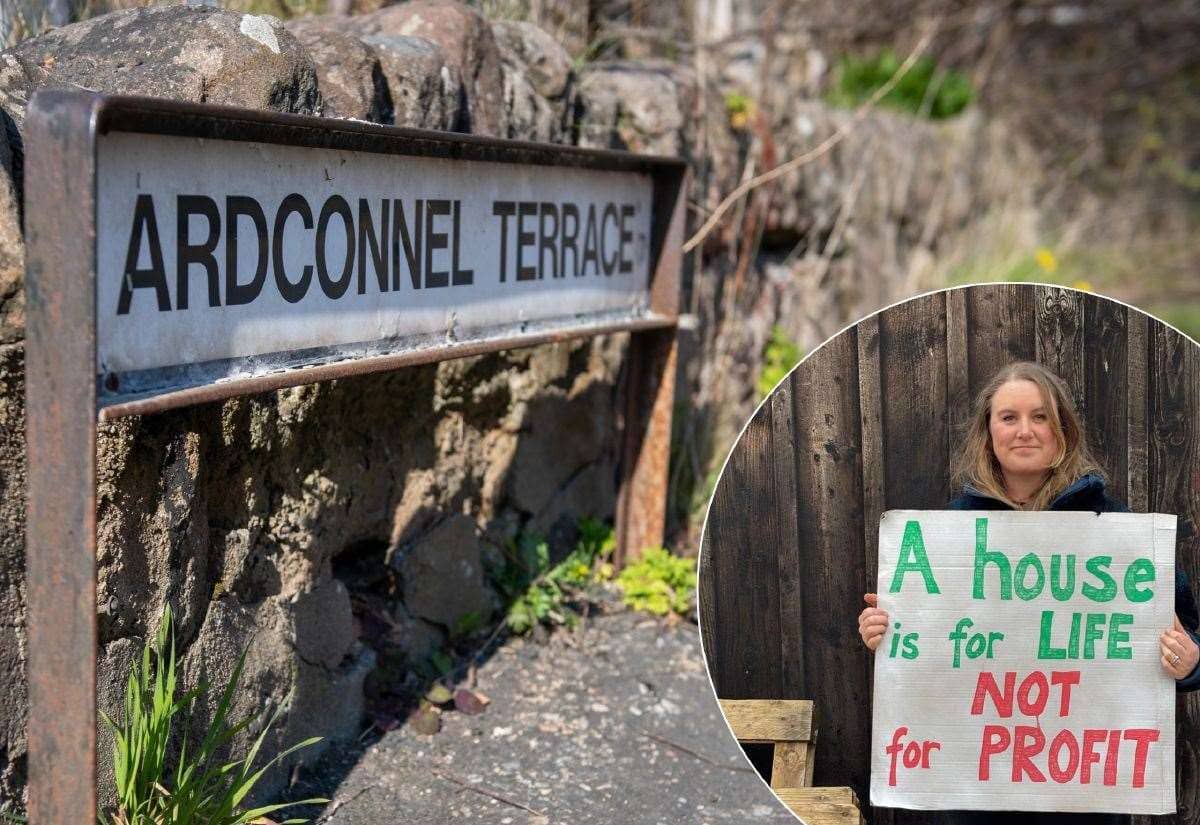
The proposal faced significant resistance from the local community prior to the final decision. Lauren Pyott and other local residents have been vocally opposed to the plans, citing concerns over the impact of short-term lets on the neighborhood.
Residents argued that the introduction of 10 holiday lets would place an excessive burden on the area. The opposition was a central factor in the public discourse surrounding the application. Local campaigners had highlighted issues related to housing availability and community cohesion as key reasons for their stance against the development.
The rejection of the appeal addresses the immediate request by DC Properties to change the use of the building. However, the outcome reinforces the council’s position on controlling the growth of short-term rental properties in central Inverness. The decision is seen by opponents as a victory for those who have long monitored the proliferation of holiday lets in the city.
Location and Property Details
The subject of the appeal is a former office building situated on Ardconnel Terrace. This location is within the Crown area of Inverness, an area characterized by a mix of residential and commercial properties. The specific site has been identified as suitable for conversion in previous discussions, but planning authorities have consistently found faults with the application.
The building’s history as an office space distinguishes it from existing residential structures. The proposed change of use to holiday lets was the primary point of contention. Planners examined how the conversion would affect the character of Ardconnel Terrace and whether the density of short-term rentals was appropriate for the location.
Implications for Short-Term Rental Policy
The unanimous rejection by the review body underscores a strict approach to planning applications for holiday lets in Inverness. The decision aligns with broader trends in Scottish local government, where councils are increasingly scrutinizing short-term rental permits.
DC Properties’ attempt to overturn the council’s initial refusal was unsuccessful. The company had sought to present arguments that the development would be beneficial or compliant with regulations, but the review body did not accept these points. The failure of the appeal means the planning application remains refused.
The outcome affects the availability of accommodation in the city center and reflects the tension between tourism infrastructure and residential stability. Local authorities continue to balance economic interests with community concerns regarding housing stock. The rejection of this specific application does not necessarily set a precedent for all future cases, but it demonstrates the current willingness of Highland Council to deny permits in contested areas.
Lauren Pyott and other residents who opposed the scheme have seen their efforts vindicated by the council’s decision. The case highlights the ongoing debate over the regulation of short-term lets in urban centers across Scotland. While the immediate development is halted, the broader conversation about housing policy and tourism management continues.
Next Steps for the Property
With the appeal rejected, the former office building on Ardconnel Terrace will not be converted into 10 holiday lets under the current planning application. DC Properties has no further immediate action outlined in the review body’s decision other than the rejection of their bid.
The council has maintained its original refusal, and there are no indications that a new application will be submitted immediately. The status of the building remains unchanged from before the planning process began. Local residents can expect the neighborhood to retain its current residential character without the addition of short-term rental units.