

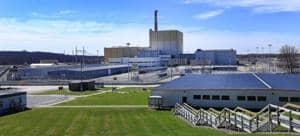

State Task Force Releases Strategic Plan for Nuclear Growth
An Iowa state task force has officially released a comprehensive roadmap designed to facilitate the expansion of nuclear energy capacity within the state. The release of this strategic document marks a formal and significant step in preparing Iowa's energy infrastructure for potential substantial changes in its power generation mix, signaling a long-term commitment to diversifying its energy portfolio.
The initiative comes as state officials and energy planners actively address the increasing requirements for electricity across Iowa. The task force's report outlines specific pathways, critical considerations, and necessary preparatory actions to support this growth, strategically positioning nuclear power as a central component of the state's future energy strategy. This roadmap is intended to guide future policy decisions, regulatory frameworks, and investment strategies related to nuclear energy development.
Drivers of Expansion: Rising Demand and Duane Arnold
The primary catalysts for this renewed and intensified focus on nuclear energy in Iowa are twofold: a documented and sustained increase in electricity demand within the state and the potential operational status of the Duane Arnold energy center, a facility with a significant history in Iowa's energy landscape.
Increasing Electricity Requirements Across Iowa
Iowa is currently experiencing a notable growth in its electricity demand, driven by various factors contributing to the state's overall economic and residential expansion. This rising consumption has prompted state authorities to proactively look toward robust, high-capacity, and reliable energy sources to meet future needs and ensure grid stability. The task force's roadmap directly addresses these growing requirements by identifying nuclear energy as a viable and essential option for sustaining the state's power grid reliability, enhancing its capacity, and providing a consistent baseload power supply.
The need for reliable, always-on power is paramount as demand escalates. Nuclear energy, known for its high capacity factor and minimal emissions during operation, presents a compelling solution for states aiming to balance energy security with environmental considerations. Iowa's strategic plan emphasizes this balance, seeking to integrate nuclear power as a foundational element of its future energy mix.
The Duane Arnold Restart Timeline and Significance
A specific and immediate focal point of this expansion effort is the Duane Arnold energy center. According to available information and the task force's considerations, the facility is potentially slated for a restart in 2029. This timeline provides a concrete horizon for extensive infrastructure planning, regulatory preparation, and workforce development efforts that must commence well in advance.
The potential return of Duane Arnold to service represents a significant development in Iowa's nuclear landscape. As an existing site, its restart could offer a more expedited path to increased nuclear capacity compared to constructing entirely new facilities. The task force's roadmap includes detailed considerations relevant to this specific facility, ensuring that state preparations align meticulously with the operational realities, technical requirements, and regulatory processes involved in restarting an existing nuclear site. This focus allows for targeted planning and resource allocation, aiming to streamline the complex process of bringing the plant back online.
Implications for State Energy Infrastructure and Policy
The release of the roadmap indicates a proactive and forward-thinking approach by Iowa officials to manage the complex transition toward expanded nuclear capacity. By establishing a clear and detailed plan, the state aims to mitigate potential bottlenecks across various critical areas, including regulatory approvals, specialized workforce development, and seamless grid integration. This foresight is crucial for a project of nuclear energy's scale and complexity.
The focus on both new expansion pathways for future nuclear development and the specific case of Duane Arnold suggests a comprehensive and adaptable strategy. This dual approach allows Iowa to prepare for immediate opportunities presented by the potential restart of an existing facility while simultaneously laying the essential groundwork for broader nuclear energy growth and the potential development of new nuclear technologies in the coming years.
Coordinating Stakeholder Efforts
The task force's work provides a foundational framework for all relevant stakeholders, including utility providers, state and federal regulatory bodies, and local communities, to coordinate their efforts effectively. The roadmap serves as a vital reference point for aligning state policies with the intricate technical, logistical, and safety demands inherent in nuclear energy expansion. This coordinated approach is designed to ensure that all parties are working towards a common goal, minimizing delays and maximizing efficiency.
As electricity demand continues its upward trajectory, the strategic integration of nuclear power into Iowa's energy mix is viewed by the task force as a necessary component of long-term energy security and economic stability. The explicit 2029 target for the Duane Arnold restart underscores the urgency and strategic importance of these preparations, highlighting the state's commitment to securing a reliable and robust energy future.