


Iran Cites U.S. Inconsistencies in Negotiations
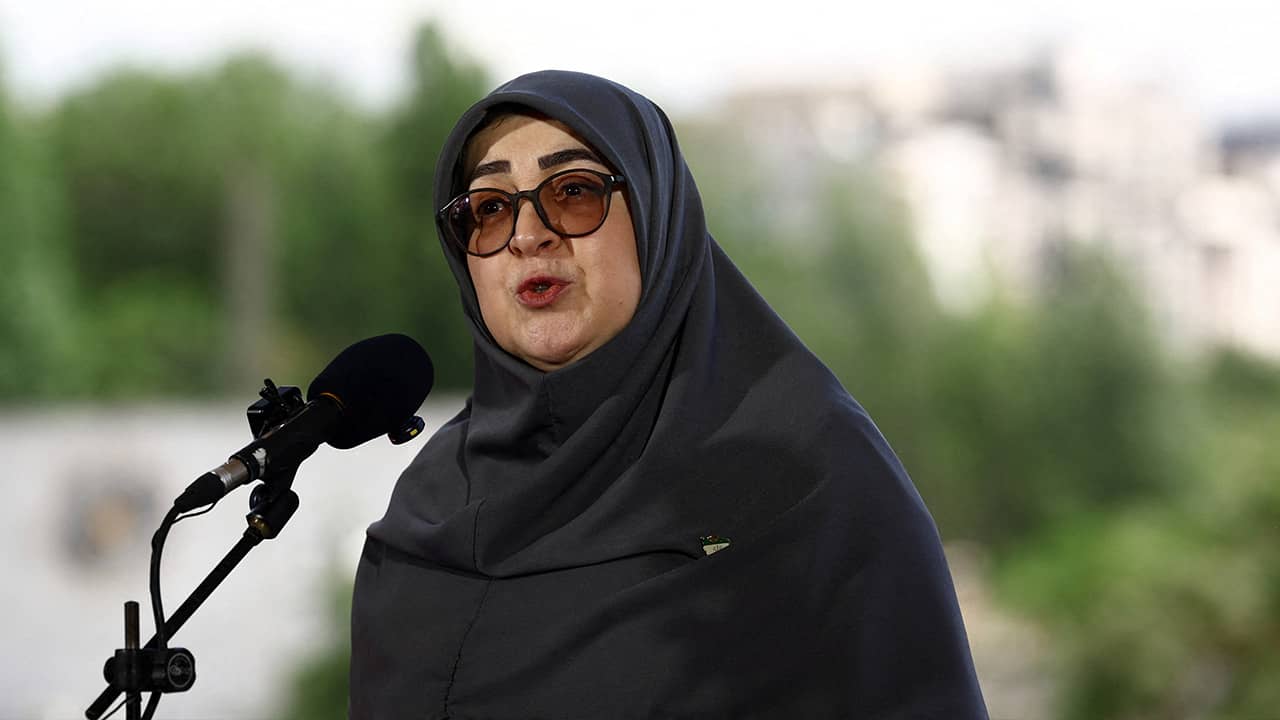
Tehran, Iran – Iran's government spokesperson, Fatemeh Mohajerani, on Tuesday, May 26, publicly accused the United States of exhibiting inconsistencies and contradictions in the ongoing negotiations between the two nations. Speaking at a news conference, Mohajerani characterized these perceived issues as a persistent and significant challenge in the diplomatic discussions.
Mohajerani further noted that this situation was "not a new issue," implying a long-standing pattern in the dialogue. Her statements underscore a recurring point of contention from the Iranian perspective regarding the negotiation process, suggesting that a lack of coherence or shifting positions from the U.S. side impedes progress towards a resolution. The spokesperson did not elaborate on specific instances of inconsistency but emphasized its enduring nature as an obstacle in the bilateral talks.
Revolutionary Guard Corps Declares Right to Retaliate
The diplomatic accusation from Iran coincided with a strong declaration from its military arm. On the same Tuesday, Iran's Revolutionary Guard Corps (IRGC) announced that it reserved the "legitimate and definite" right to retaliate against any ceasefire violations by the United States. This declaration, reported by state media, signaled a heightened state of alert and a firm stance on national defense and sovereignty from the IRGC.
The IRGC further claimed that its air defense units had engaged U.S. assets that day. According to state media reports, Iranian air defense systems successfully shot down a U.S. MQ-9 drone. Additionally, the IRGC stated that its units had fired upon a U.S. fighter jet, asserting that both aircraft had entered Iranian airspace. These claims, if confirmed, would represent a significant escalation in military encounters between the two countries and a direct challenge to the established understanding of operational boundaries.
The MQ-9 Reaper is a remotely piloted aircraft primarily used for surveillance, reconnaissance, and strike missions. Its alleged downing and the reported engagement with a fighter jet would mark a notable incident in the ongoing tensions, particularly in the context of discussions about ceasefire adherence and airspace sovereignty.
U.S. Secretary of State Comments on Negotiation Timeline
Meanwhile, on the U.S. side, Secretary of State Marco Rubio addressed the timeline for reaching a potential agreement with Iran. Speaking on Tuesday, Secretary Rubio indicated that negotiating a deal with Iran could "take a few days." His statement appeared to temper expectations for an immediate resolution to the protracted conflict, suggesting that a swift conclusion was not anticipated.
Rubio's comments followed recent U.S. military actions in the region. The United States had conducted what it described as "defensive strikes" in southern Iran. These strikes, the U.S. stated, were undertaken to protect U.S. interests and personnel in the area. The timing of these military actions, preceding Rubio's remarks on negotiations, placed the diplomatic efforts within a broader context of ongoing military engagements and strategic posturing.
The U.S. position, as articulated by Secretary Rubio, suggests that while negotiations are ongoing, the path to a comprehensive agreement remains complex and requires further time. The interplay between diplomatic efforts and military actions from both sides continues to define the dynamic between Iran and the United States.