


Hardline Press Accuses Leaders of Abandoning Palestine
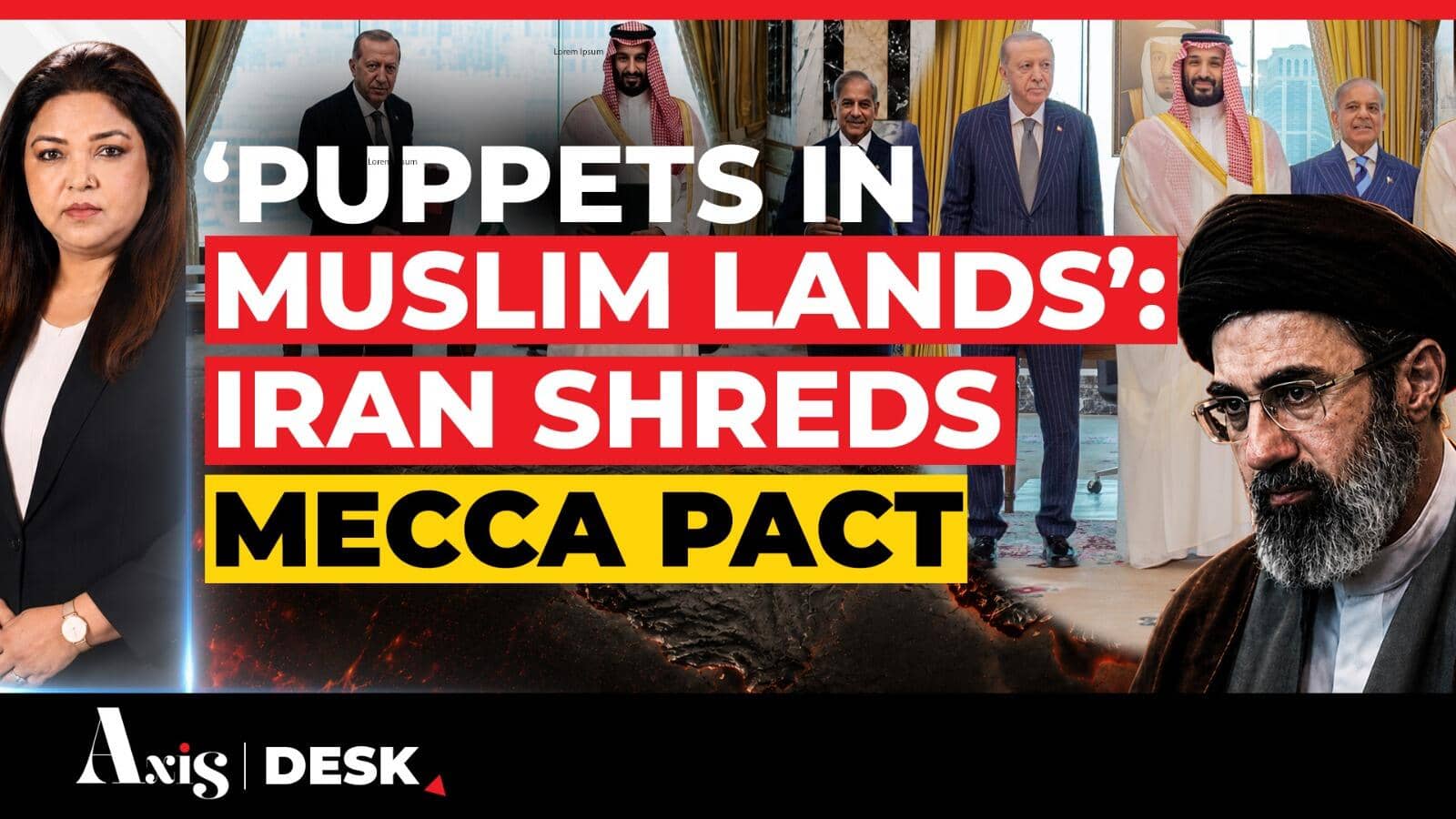
Iran has expressed strong opposition to the newly signed Mecca Joint Defence Agreement, a security pact established between Saudi Arabia, Turkey, and Pakistan. The reaction from Tehran was immediate and severe, with Iranian state media framing the agreement as a direct affront to Islamic solidarity and the Palestinian cause.
Kayhan, identified as one of Iran’s most influential hardline newspapers, published accusations against the leadership of the three signatory nations. According to reports, Kayhan accused the rulers of Saudi Arabia, Turkey, and Pakistan of "treachery." The publication further alleged that these leaders were abandoning the Palestinian cause through their collaboration.
The newspaper’s stance suggests that Tehran views the diplomatic and military alignment of these three major Muslim-majority powers as a strategic move that undermines Iran’s position within the Islamic world. The language used by Kayhan indicates a deep-seated political friction between Tehran and the other signatories, framing the defense pact not merely as a security arrangement but as a moral failure.
Structure of the Mecca Joint Defence Agreement
The Mecca Joint Defence Agreement creates a collective-security framework that integrates the specific strategic assets of its three members. The pact combines Saudi Arabia’s financial power with Turkey’s defense industry and experience within NATO, alongside Pakistan’s nuclear deterrent.
This combination of resources represents a significant consolidation of military and economic capabilities among the signatories. By pooling Saudi funding, Turkish industrial and alliance expertise, and Pakistani nuclear capabilities, the agreement establishes a multi-layered security structure. The integration of these distinct national strengths aims to create a unified defense posture for the participating nations.
The formation of this framework has drawn attention from regional observers who note the scale of resources being mobilized. The agreement effectively links the economic weight of the Gulf with the military-industrial complex of Turkey and the nuclear status of Pakistan, creating a new dynamic in regional security architecture.
Signatories Deny Targeting Iran
In response to the criticism from Tehran, officials from Saudi Arabia and Turkey have publicly stated that the agreement is not directed against Iran. Ankara has insisted that the pact’s intentions are defensive and do not constitute a threat to its neighbor.
Saudi Arabia has indicated that its primary objective in signing the agreement is to promote regional stability. Riyadh’s position suggests that the security arrangement is intended to foster peace and cooperation among Muslim-majority nations rather than to isolate or contain Iran. The Saudi government’s statements aim to clarify that the pact is a mechanism for maintaining order in the Middle East and broader Islamic world.
Turkey’s insistence that the agreement does not target Iran aligns with its broader diplomatic efforts to maintain relations with various regional powers while strengthening ties with key allies. By explicitly denying any adversarial intent toward Tehran, Ankara seeks to mitigate tensions and present the pact as a neutral security measure.
Geopolitical Implications for Regional Leadership
The signing of the Mecca Joint Defence Agreement has left Iran outside a new security arrangement involving three major Muslim-majority powers. This exclusion has led to perceptions in Tehran that the pact challenges its regional influence and status.
Analyses suggest that the underlying issue may extend beyond immediate defense concerns, potentially reflecting a competition for leadership within the Muslim world. The alignment of Saudi Arabia, Turkey, and Pakistan creates a powerful bloc that operates independently of Iran’s strategic preferences, altering the balance of power in the region.
Tehran’s perception of the pact as more than just a defense deal highlights the broader geopolitical stakes involved. The agreement is seen by some observers as a move to redefine leadership dynamics among Islamic nations, with the signatories seeking to establish a new center of gravity that excludes Iranian influence.
The reaction from Iran underscores the sensitivity of regional security arrangements in the Middle East. As Saudi Arabia, Turkey, and Pakistan deepen their cooperation, the implications for Iran’s foreign policy and its relationships with other regional actors remain a focal point of international attention.