


Senior Military Official Issues Stark Warning During Press Briefing
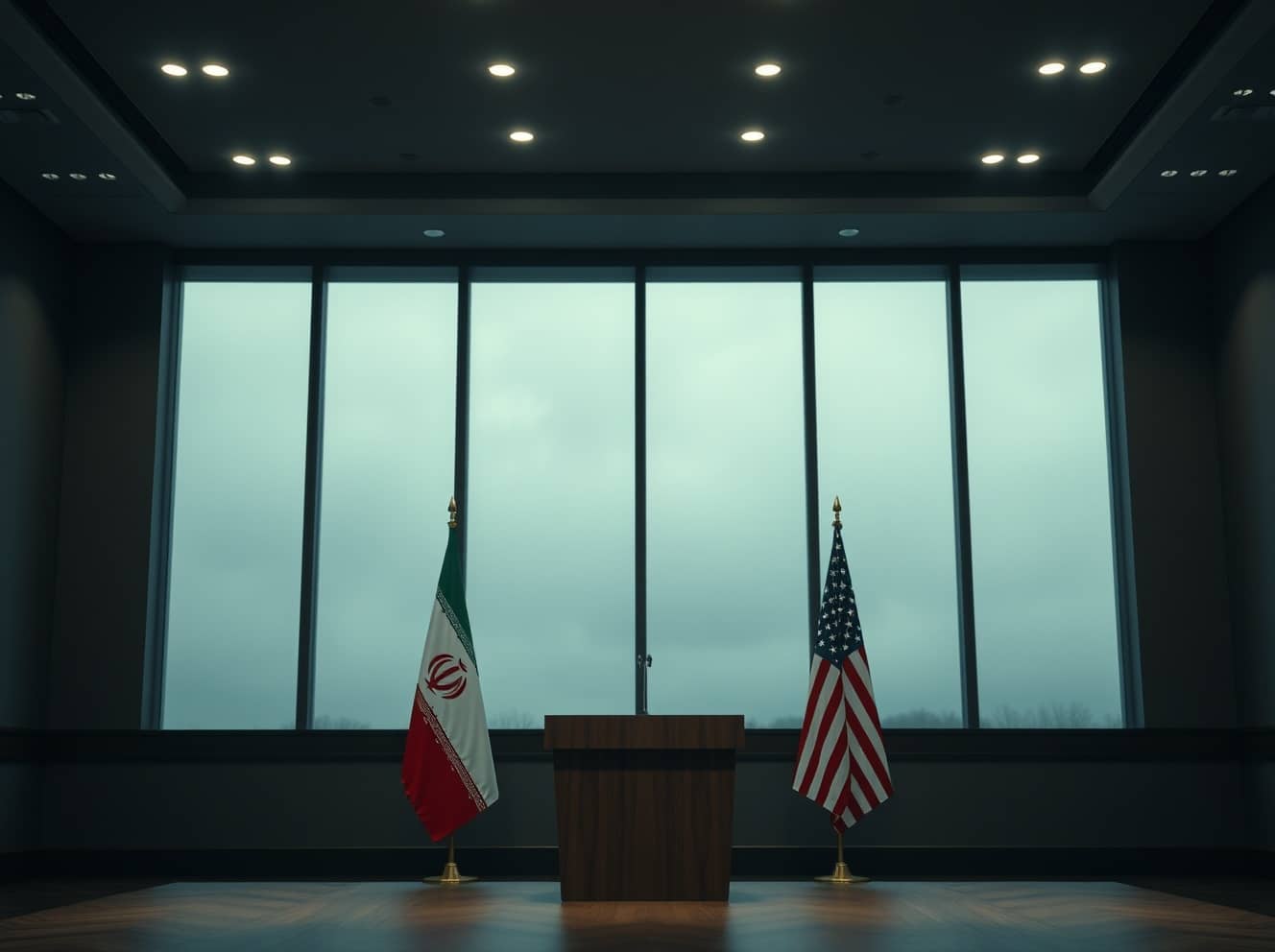
A senior Iranian military official delivered a public statement on July 3, 2026, warning of a "decisive response" to any perceived error or miscalculation by the United States. The declaration was made during an open press briefing held in Tehran. During this session, the official emphasized Iran's readiness to defend its sovereignty against external threats. The timing of the statement coincides with reports indicating that geopolitical tensions between the two nations are showing clear signs of escalation. While the specific triggers for such a warning were not detailed by the speaker during the briefing itself, analysts and observers note that the rhetoric reflects broader shifts in regional security dynamics. The official utilized strong language to underscore Iran's stance on national defense.
The press event took place at a government facility where military leadership regularly addresses domestic audiences regarding foreign policy posture. Attendees included members of the Iranian media corps who recorded the proceedings for subsequent broadcast across state-controlled networks. No specific names were released by officials present at the briefing to identify every individual in attendance, though the speaker was identified only as holding a senior rank within the armed forces.
Interpretation Linked to Recent Airstrikes and Naval Movements
The warning is widely interpreted as a direct reaction to recent military actions taken by United States forces. Specifically, reports indicate that US airstrikes were conducted against groups aligned with Iran in Syria. These operations have drawn attention from various international observers who track the trajectory of Middle East conflicts. The timing suggests a correlation between these kinetic events and the diplomatic language used by Tehran. The official did not explicitly name Syria or specific targets during the briefing, but the context provided to reporters implies that ongoing hostilities in neighboring countries influence Iranian strategic calculations. This interpretation aligns with patterns observed in previous years of US-Iran confrontation.
Recent Movements of Naval Assets
In addition to aerial operations on land, recent movements of United States naval assets within the Persian Gulf have contributed to an atmosphere of heightened tension. The presence of these vessels has been noted by regional monitors and maritime analysts who track ship deployments in the waterway. The combination of airborne strikes against proxy groups and increased visibility of US warships near Iranian territorial waters creates a complex security environment. Officials in Tehran view such activities as potential provocations that could necessitate defensive measures. The senior military official framed these developments within a broader narrative of protecting national interests from encroachment by foreign powers.
Naval movements are often subject to rapid changes based on intelligence assessments and diplomatic exchanges between Washington and regional capitals. However, the perception among Iranian leadership appears consistent in viewing such maneuvers as aggressive posturing rather than routine patrols. This perspective shapes the tone of public statements released from official channels.
Economic Context Surrounding Diplomatic Standoff
The geopolitical standoff occurs against a backdrop of significant economic activity and market volatility involving major global currencies. On July 3, 2026, financial markets showed mixed signals as traders analyzed data related to the US dollar and Japanese yen. Forex analysts noted that the USD/JPY pair remained weak near its two-week low, trading below a key Fibonacci level at 161.00. This development reflects broader trends in global currency valuations influenced by economic indicators such as payrolls data from the United States. Weak US employment figures reportedly contributed to a slump in the dollar's value relative to other major currencies.
Cryptocurrency and Digital Asset Markets
Simultaneously, trading volumes for crypto futures on CME Group jumped 76% year-over-year during June of that same year. Such increases suggest growing investor interest or speculative activity in digital asset classes despite broader geopolitical uncertainties affecting traditional markets. Market commentators also highlighted specific cryptocurrency-related headlines involving public figures like Peter Schiff, who issued warnings about certain memecoins related to political campaigns being tools for bribery rather than legitimate investments. These comments illustrate how financial discourse intersects with political narratives during periods of instability.
The Australian dollar consolidated within a broad trading band against the US Dollar according to analysis from UOB (United Overseas Bank). This consolidation indicates cautious positioning by traders who await further clarity on policy decisions affecting commodity-exporting economies like Australia. The interplay between these financial developments and geopolitical tensions underscores how global markets react simultaneously to multiple stressors.
Regional Implications
The escalation of rhetoric does not occur in a vacuum but rather interacts with existing frameworks for regional cooperation or conflict management. Neighboring states monitor the situation closely, aware that any miscalculation could destabilize supply chains and energy markets dependent on Persian Gulf routes. The Iranian official's emphasis on sovereignty resonates with sentiments held by other nations concerned about external interference in their affairs. This shared concern occasionally leads to coordinated diplomatic efforts aimed at de-escalating tensions before they spiral into direct conflict between major powers.