


Match Proceeds Amid Geopolitical Tensions
The Republic of Ireland’s UEFA Nations League match against Israel ignited intense debate, protests, and a high-profile boycott amid the ongoing Gaza conflict. Despite the tension, the match proceeded in Serbia, underscoring the challenges of separating sport from geopolitics.
Following a 3-0 defeat in Debrecen, the teams were set to meet again in the Serbian capital. Critics argued the fixture should not have gone ahead due to the ongoing Israel-Gaza war. The Football Association of Ireland (FAI) voted 75-32 in July to fulfill its obligations to play the fixture, citing potential financial and competitive repercussions such as a drop to League C and a weakened qualification pathway for UEFA Euro 2028.
UEFA approved neutral venues for teams in the same Nations League group, and the match proceeded under UEFA’s watch. The decision to move the game to Serbia was part of the broader logistical framework established by the governing body for the group stage.
Internal Debate and Player Stances
The Irish squad held a four-hour internal debate, ultimately deciding to play. However, goalkeeper Gavin Bazunu opted out on ethical grounds. Bazunu described his decision to abstain as "faith-based," insisting he was not against Israel or Jews but opposed the violence in Gaza and the killing of civilians.
"Representing my country means everything to me … I have reached a decision that I have not taken lightly," Bazunu stated regarding his withdrawal from the squad.
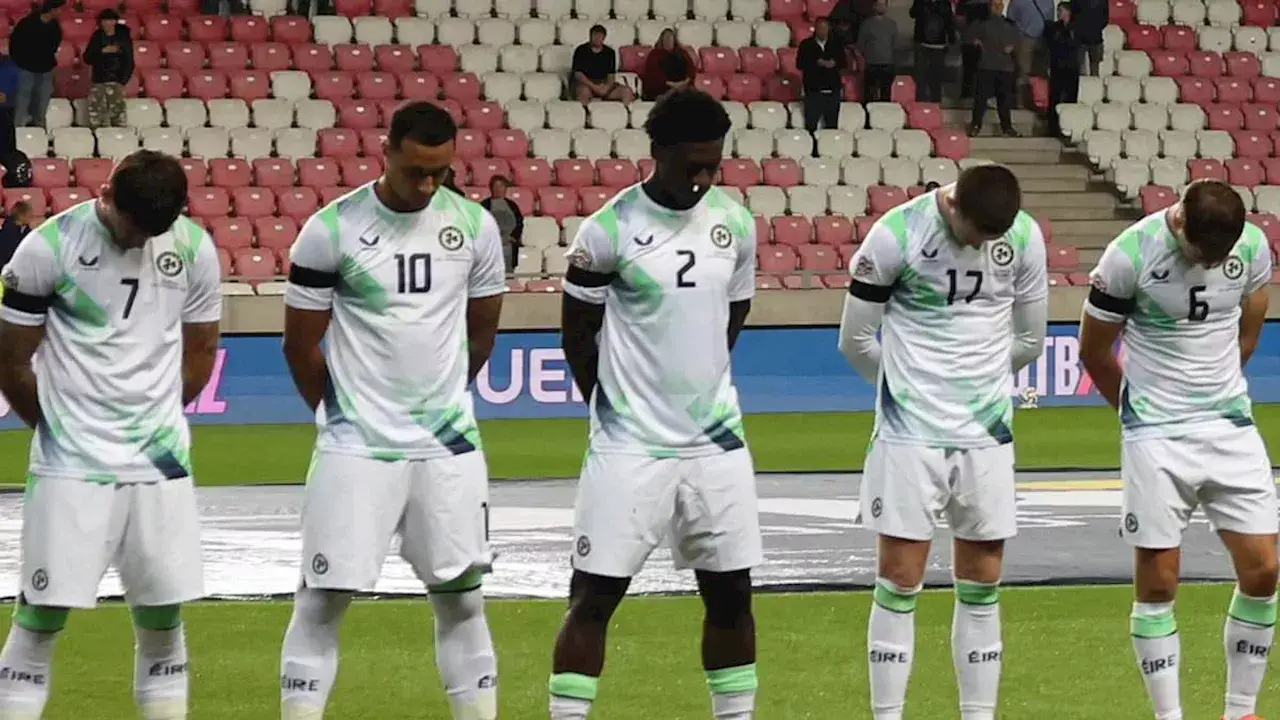
The tension within the camp was visible on the pitch. Ireland’s captain Dara O'Shea refused to shake hands with Israel’s captain Manor Solomon during the coin toss. The Irish team wore black armbands to commemorate lives lost in the conflict, a gesture that highlighted the emotional weight of the encounter for the players.
Boycott Campaigns and Pre-Match Controversy
The Stop The Game campaign, run by Irish Sport for Palestine with backing from former manager Brian Kerr and former striker James McClean, called for a boycott. The group claimed that competing against Israel amounts to implicit support for the Gaza war.
Pre-match tensions also flared in the media. Ireland’s head coach Heimir Hallgrimsson shortened a press conference after an Israeli journalist accused his squad of racism over a comment about an Israel player. The incident added to the charged atmosphere surrounding the fixture.
Observers noted the fallout could mirror historic moments such as the 2002 "Saipan 2.0" incident involving Roy Keane, drawing parallels between the current political pressures and previous controversies in Irish football history.