

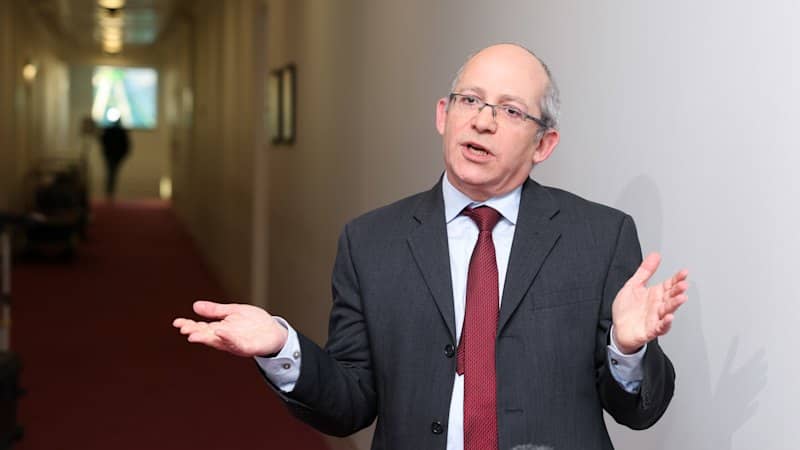

Israel Challenges Labor's Stance on Palestine
The Australian government is navigating a complex diplomatic landscape as its Labor Party prepares for its upcoming national conference. The Israeli embassy in Canberra has issued a direct and pointed criticism of the Labor Party's draft policy platform concerning Palestine and Gaza. Representatives from Israel have described the document as overtly one-sided against the Jewish state, arguing that it simultaneously adopts a lenient stance towards Hamas and other Palestinian factions regarding their respective roles in the peace process.
According to officials at the embassy, the current draft policy fails to adequately address the complexities of the conflict, particularly the actions and responsibilities of Palestinian groups in either advancing or hindering a viable peace process. This perceived imbalance has prompted a significant diplomatic effort from Israel. The diplomatic mission is actively seeking to soften the criticism of Israel contained within the Labor platform, engaging in robust lobbying efforts. These discussions are being led by Ambassador Hillel Newman, who is holding meetings with key party leadership figures to advocate for amendments to the draft.
The Israeli embassy argues that the platform's current wording could undermine Australia's broader diplomatic goals in the Middle East and potentially strain bilateral relations between Australia and Israel if left unaddressed. Their core contention is that the draft focuses disproportionately on Israeli actions while not applying equivalent scrutiny to Palestinian militant groups, thereby presenting an incomplete and biased picture of the conflict.
Draft Policies Target Settler Actions, International Justice
Key Provisions Sparking Diplomatic Concern
The draft policy platform is expected to address several highly contentious issues within its text regarding the Israeli-Palestinian conflict. One significant provision set to be included involves a direct call to address and condemn settler violence in the West Bank. This particular stance marks a more assertive position than previous Labor manifestos, reflecting a growing international concern over the issue.
Another section of the document plans to condemn a controversial new death penalty law, a move that aligns with international human rights advocacy but is likely to be viewed critically by Israeli officials. These provisions collectively represent a more detailed and specific engagement with the Israeli-Palestinian dispute than past party manifestos have provided, signaling a potential shift in Labor's foreign policy approach to the region.
International Court Involvement
Further escalating diplomatic tensions, the platform also outlines explicit support for international courts considering genocide and war crimes charges against Israel. This particular provision is seen as a significant departure from previous party positions, which did not include such detailed stances on specific legal proceedings of this nature. The inclusion of this language underscores a willingness within parts of the Labor Party to engage with international legal mechanisms concerning the conflict.
In response to these proposed measures, Israeli officials argue vehemently that the language is excessively critical of their ally while conspicuously lacking equivalent criticism for Palestinian militant groups. The embassy maintains that this perceived imbalance not only undermines Australia's broader diplomatic goals in the region but could also lead to a tangible strain on bilateral relations if the platform is adopted in its current form before the conference concludes.
Pro-Palestinian Advocates Demand Stronger Measures
Simultaneously, pro-Palestinian advocates within Australia are urging the Labor Party to take significantly stronger actions than those currently outlined in the draft platform. These groups argue that the proposed measures do not go far enough in addressing what they view as systemic injustices against Palestinians. Their demands include specific, more robust measures such as banning defense exports to Israel and imposing sweeping economic sanctions on the nation. This advocacy represents a powerful counter-pressure to the Israeli lobbying efforts, highlighting the deep divisions and strong sentiments surrounding the conflict within Australia's political and social landscape.
Divisions Emerge Ahead of Labor's National Conference
Albanese Seeks Party Unity Amid Foreign Policy Debates
The Labor national conference, scheduled to take place in Adelaide over three days, is anticipated to be a critical event for the party. Prime Minister Anthony Albanese has expressed a keen interest in projecting unity under his leadership during this period of intense scrutiny. Consequently, senior ministers have reportedly spent months working behind the scenes to settle arguments and avoid public disputes on the conference floor, particularly on potentially divisive issues.
While other contentious issues, such as the AUKUS security pact, are expected to have largely settled debates designed to ensure party unity, the Middle East conflict remains a potential flashpoint for internal party discussion. The draft policy platform's unprecedented level of detail on the Israeli-Palestinian dispute increases the likelihood of robust debate, despite Prime Minister Albanese's indications that lively public disputes may be avoided where possible to maintain cohesion.
Mounting Pressure from Domestic Activism
The atmosphere at the conference has been carefully managed by the leadership, aiming for a sense of cohesion and shared purpose. However, pro-Palestinian activists remain highly engaged and vocal, following Prime Minister Albanese's actions last year regarding Gaza. This ongoing activism suggests that significant pressure will continue to mount from within Australia, as well as from international actors, during the three-day event in Adelaide.
Prime Minister Anthony Albanese has sought to project unity under his leadership throughout this period of intense diplomatic and domestic activity. The management of these competing pressures—between international allies seeking policy modification and domestic advocates calling for stronger, more decisive action—will likely define the tone and outcomes of discussions surrounding foreign affairs at the conference. The challenge for Labor leadership will be to navigate these complex demands while attempting to maintain party solidarity and project a consistent foreign policy stance.