


Netanyahu Office Denies Allegations Of US Concerns
The Prime Minister Benjamin Netanyahu office issued a fierce rejection of media reports alleging that Washington feared Israel might attempt to assassinate top Iranian negotiators during diplomatic talks earlier this year. The pushback follows an explosive report by The New York Times which claimed American officials were deeply concerned about Israeli actions targeting specific high-ranking figures in Tehran.
According to the publication, these anxieties reportedly peaked in the weeks following a ceasefire on April 8. This pause halted military conflict involving the United States, Israel, and Iran. The report stated that US officials quietly warned Tehran through intermediaries regarding fears that an Israeli strike could derail ongoing peace efforts.
Benjamin Netanyahu's office has labeled these claims as fiction. A blunt rejection was issued on X by representatives of the Prime Minister's administration. Officials described the narrative circulating in international media outlets as fake news and insisted there is no basis for such assertions within their government records or strategic communications with Washington during this period.
The denial comes at a time when diplomatic tensions remain high despite recent pauses in hostilities. Israeli officials maintain that any reports suggesting hesitation from American counterparts regarding potential military actions against Iranian targets are entirely fabricated narratives designed to mislead the public about regional security dynamics.
Specific Targets And Timing Of The Allegations
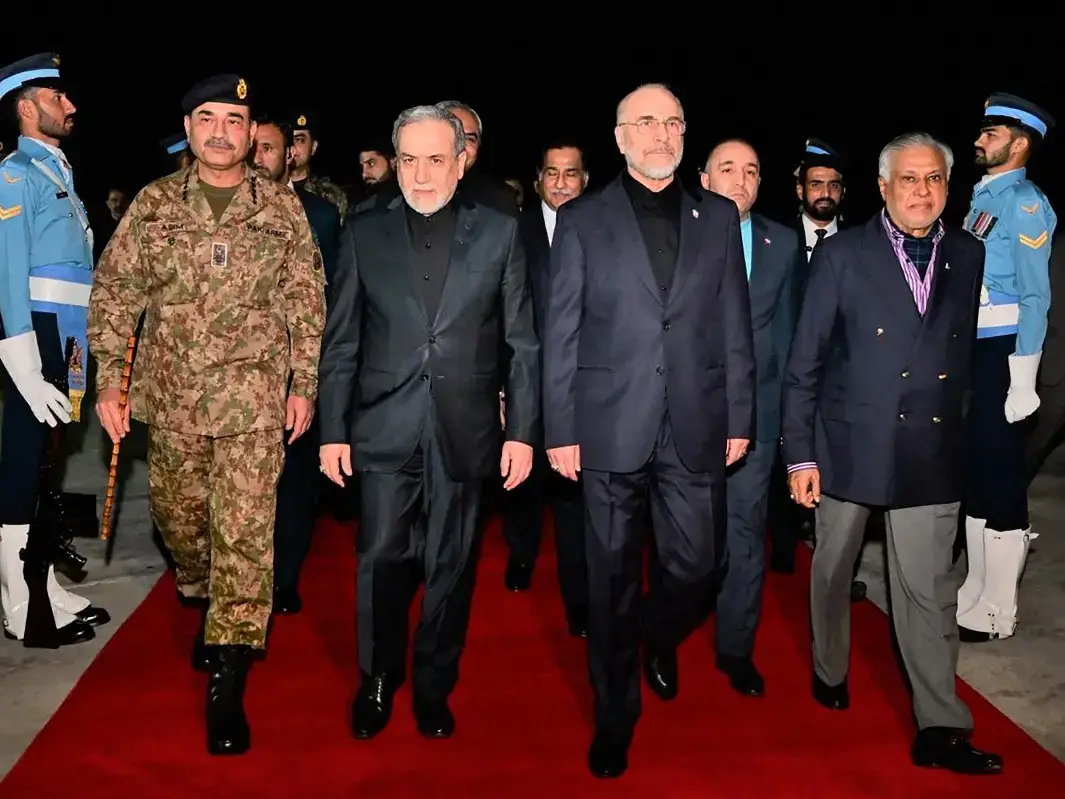
The New York Times report specifically mentioned fears that Israel might target Iranian Foreign Minister Abbas Araghchi and Parliament Speaker Mohammad Bagher Ghalibaf. These individuals were identified as key figures in the negotiations taking place in Islamabad earlier this year.
According to the account provided by The New York Times, American intelligence or diplomatic channels conveyed these concerns through intermediaries rather than direct public statements. This method of communication was employed to avoid escalating tensions between Washington and Tehran while still alerting Iranian leadership to potential threats they believed Israel might execute.
The timing of these alleged warnings coincided with a fragile peace process that had just resumed following the April 8 ceasefire agreement. The report suggested that US officials were worried an Israeli strike could derail this delicate diplomatic initiative before it gained sufficient momentum to stabilize relations in West Asia.
Implications For Regional Diplomacy
The allegations highlight a complex interplay between intelligence assessments and public diplomacy among major powers. If the claims made by The New York Times are accurate, they suggest that Washington prioritized maintaining diplomatic channels over immediate military objectives involving Israel during this specific window.
Israeli Response And Media Reaction
In response to these allegations, Benjamin Netanyahu's office has taken a hardline stance against the credibility of The New York Times reporting on this matter. Officials stated that such claims undermine trust between allies and create unnecessary confusion regarding actual strategic intentions.
The rejection was swift and unequivocal. By calling the reports fake news, Israeli officials aimed to discredit what they view as an inaccurate portrayal of US-Israel relations during a critical period for regional stability.
Context Of The Ceasefire Period
The April 8 ceasefire marked a significant shift in the military landscape involving the United States, Israel, and Iran. During this pause, diplomatic efforts intensified as negotiators sought to establish frameworks for lasting peace. However, reports emerged suggesting that underlying tensions remained unresolved.
Verification And Source Attribution
All allegations regarding US fears of an Israeli strike originate from a single source: The New York Times report cited in the research notes and source context provided by WION. No other independent verification or confirmation was found within the available documentation to corroborate these specific claims.
Official Statements On X
The primary vehicle for Israel's rebuttal has been social media platform X, where representatives of Netanyahu's office posted direct denials. These posts were accompanied by statements labeling the reports as fiction and fake news without providing additional technical details or alternative explanations.
Analysis Of The Diplomatic Narrative
The divergence between US-reported concerns and Israeli official responses illustrates a common pattern in international relations where intelligence assessments may differ from public positions. While American officials allegedly expressed worries about potential strikes, Israel has maintained that its actions are always calculated to protect national security interests.
Role Of Intermediaries
The report indicates that warnings were delivered through intermediaries rather than direct diplomatic channels involving the White House or State Department spokespersons. This indirect method of communication suggests a desire to manage information flow carefully while still conveying critical intelligence regarding potential threats.
Impact On Peace Process Perceptions
The existence of these alleged warnings has raised questions about whether external factors influenced the trajectory of peace negotiations involving Iran and its allies. If Washington genuinely feared an Israeli strike, it implies that American strategic calculations extended beyond immediate military objectives to include broader geopolitical stability.
Future Diplomatic Outlook
As diplomatic talks continue following the April 8 ceasefire, both sides will likely scrutinize how such allegations affect future negotiations. The denial by Israeli officials aims to reassure partners that their security concerns are being addressed without reliance on unverified reports from foreign media outlets.