


A New Demographic of Support
As Israel approaches its October 27 election—the first since the Hamas-led attacks on October 7, 2023—Itamar Ben-Gvir’s Jewish Power party is experiencing a significant shift in its voter base. While the party has long been rooted in the militant settler movement of the occupied West Bank, recent polls indicate a boost in support among younger, urban voters who extend beyond that traditional core.
An opinion poll conducted by Agam Labs at Jerusalem’s Hebrew University reveals that Jewish Power supporters are notably younger than the average Israeli voter. The data suggests that as many as one-third of these supporters will be voting for the first time, marking a generational shift in the far-right political landscape.
The Appeal to First-Time Voters
This influx of young voters is illustrated by individuals like Gavriel Marmon, an 18-year-old student from Beit Shemesh. Marmon, who is casting his ballot for the first time, admitted that he previously viewed Ben-Gvir as "crazy." However, he now states that he believes Ben-Gvir’s statements make sense, reflecting a broader trend of radicalization among new voters disillusioned with the status quo.
The party’s appeal also extends to those who have suffered directly from the ongoing conflict. Odelia Kedmi, 41, expressed strong support for Ben-Gvir’s policy to expand permits for Israelis to carry guns. She described the policy as having "put air in my lungs," comparing it to "peace through Jewish strength." Her support is deeply personal; her sister survived the Hamas attack on the Nova music festival during the October 7, 2023 assaults.
Controversial Tactics and Legislative Moves
Ben-Gvir’s rise coincides with a series of provocative actions and legislative initiatives that have drawn international condemnation. In celebration of his 50th birthday, Ben-Gvir cut a cake decorated with a noose, an image that underscored his hardline stance on Palestinian justice.
This symbolism was not merely performative; in March, Ben-Gvir sponsored a law making hanging the default sentence for Palestinians convicted of attacks on Israelis. He celebrated this legislative victory by wearing a lapel pin featuring a noose. However, legal experts note that the bill is likely to be struck down by Israeli courts because it would not apply the same punishment to Jews, violating equal protection principles.
Further fueling controversy, videos have emerged showing Ben-Gvir berating foreign activists captured at sea while they were attempting to bring aid to Gaza. The footage depicts him forcing the activists to kneel with their faces pressed to the ground, a display of dominance that has intensified criticism of his leadership style.
Political Realignment and Election Forecasts
The broader political context for this election is one of fragmentation and uncertainty. Polls indicate that Prime Minister Benjamin Netanyahu’s Likud party is on course to lose around a third of its 32 seats in the 120-seat Knesset. This decline suggests a weakening of Netanyahu’s traditional coalition base.
Meanwhile, opinion polls show that both Netanyahu’s bloc and the main Jewish-led opposition parties, led by former military chief Gadi Eisenkot, are falling short of securing a majority. This deadlock creates an opening for smaller parties to hold the balance of power.
Jewish Power is forecast to win eight or more seats standing on its own, placing it roughly on par with the Democrats, the rump of the former Labour Party. This performance would solidify Ben-Gvir’s position as a kingmaker in any future coalition negotiations.
Challenges Within the Right
Despite his growing influence, Ben-Gvir faces competition from within the right-wing spectrum. Finance Minister Bezalel Smotrich has faced wobbles in his political standing due to vacillating over an exemption from military service for religious students, a issue that has caused friction among his constituents.
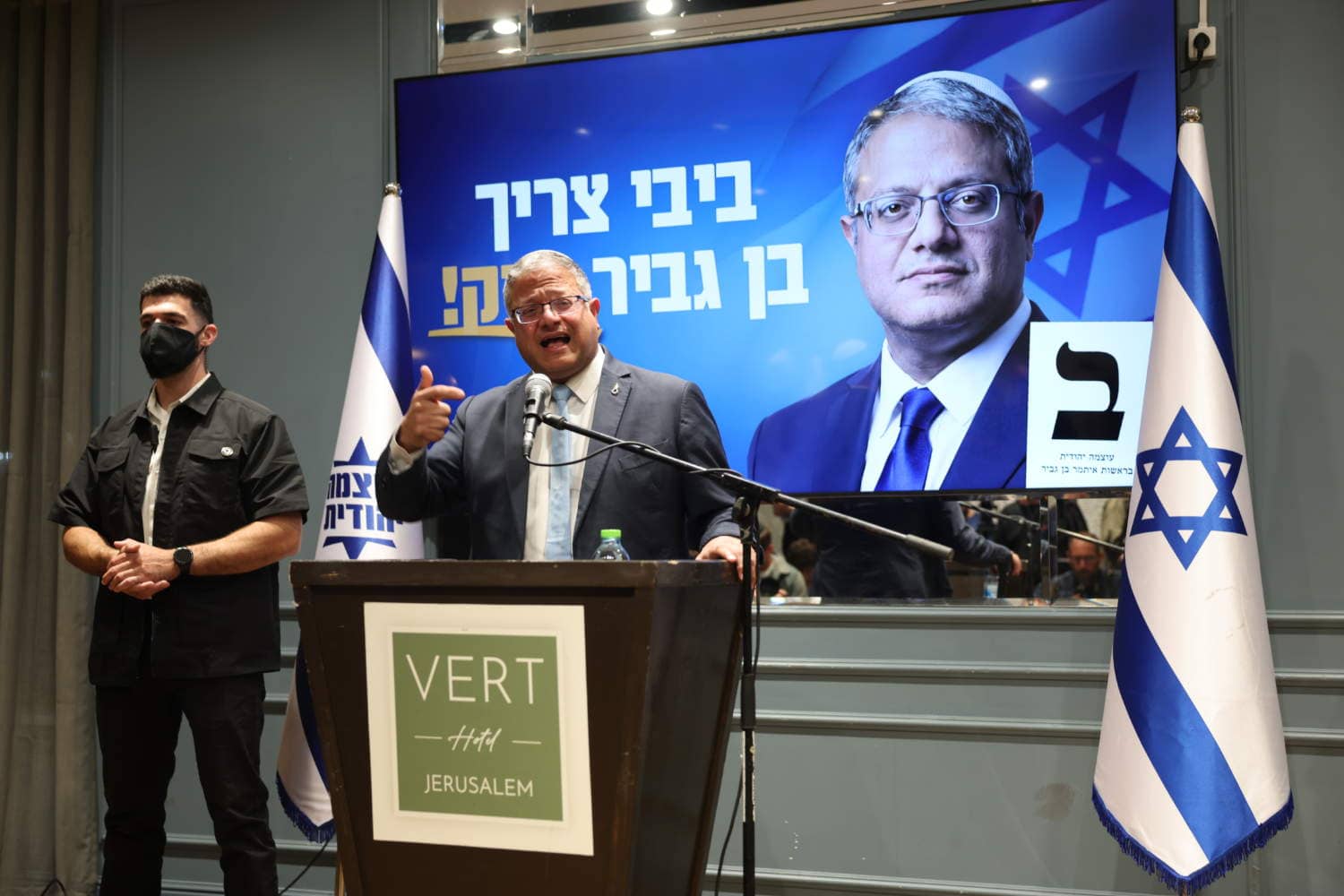
Ben-Gvir, however, remains unapologetic about his maximalist goals. Speaking to supporters at a town hall in Tel Aviv, he declared, "We have to be proud and conquer Gaza, because it’s all ours." This rhetoric resonates with the new wave of young voters who see Ben-Gvir not as an extremist outlier, but as a leader whose statements align with their own hardening views on security and national identity.
As the October 27 election draws near, the combination of first-time voters, grieving families seeking stronger security measures, and a fractured mainstream political landscape positions Ben-Gvir for significant gains. Whether these gains translate into long-term policy changes or remain confined to rhetorical posturing will depend on the complex coalition dynamics that follow the vote.