


An Accelerated End for the Orbital Outpost
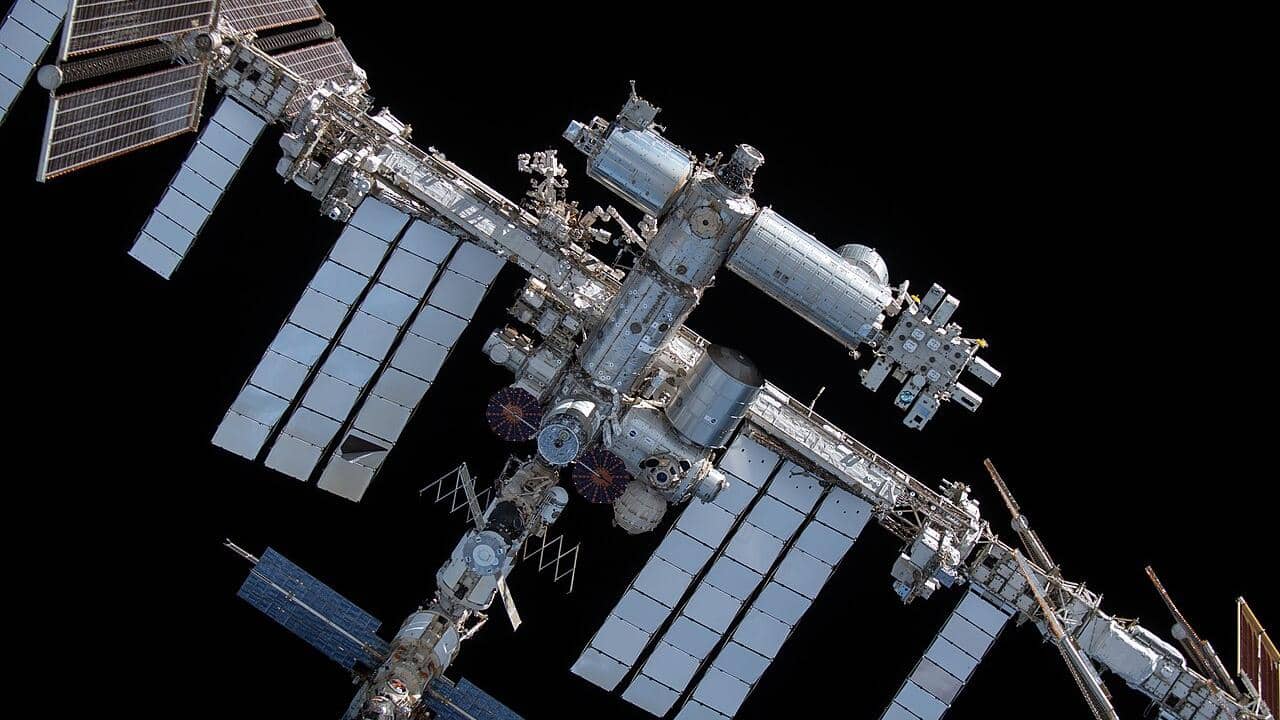
The International Space Station (ISS) is facing a significantly accelerated timeline for the conclusion of its operational life, with current plans pointing to a complete removal of the complex from orbit by 2030. This development signals a departure from previous intentions to extend the station's mission further into the decade. According to Marat Abubekerov, a PhD in Physics and Mathematics and a senior researcher in the Department of Stellar Astrophysics at Lomonosov Moscow State University's Sternberg Astronomical Institute, the intricate process of deorbiting the station is currently slated to commence as early as 2028.
From Lifespan Extensions to Deorbiting Plans
For many years, the operational lifespan of the ISS had been frequently extended, primarily due to its continued scientific utility and the absence of immediate, comparable replacements for its unique microgravity research capabilities. However, the focus of discussions between key stakeholders, specifically Roscosmos and NASA, has now decisively shifted. Instead of planning for further extensions, the dialogue centers on the final stages of the mission, including the technical and logistical challenges of bringing the massive orbital laboratory safely out of service. This pivotal shift toward concluding the project reflects a profound change in the geopolitical landscape that underpins international space cooperation, signaling a new era for collaborative ventures beyond Earth.
Navigating the Complexities of Deorbit Engineering
Dmitry Bakanov, the head of Roscosmos, has confirmed that negotiations between the involved parties are actively addressing the highly technical aspects of the project's conclusion. A paramount concern within these discussions is the subsequent safe sinking of the station's structures. This final, critical phase demands extraordinarily complex engineering calculations and precise execution to ensure that any debris resulting from the station's disassembly and atmospheric re-entry lands exclusively in uninhabited areas of the ocean, mitigating risks to populated regions and shipping lanes.
Precise Trajectory Control for Safe Re-entry
The logistics involved in deorbiting a structure of the ISS's immense size and intricate modular design present significant engineering hurdles. The station, the largest artificial object ever placed in orbit, was not originally designed for a controlled deorbit in its entirety. Therefore, the goal is to manage its descent path with unprecedented precision, accounting for atmospheric drag, potential fragmentation, and the exact timing required to target specific, remote oceanic zones. Achieving this level of control necessitates detailed and continuous coordination between all space agencies involved in the station's final days, a task made even more delicate by the current international climate. The meticulous planning aims to prevent uncontrolled re-entry, which could pose a substantial risk to life and property on Earth.
Geopolitical Tensions Reshape Space Partnerships
Abubekerov offered a pointed assessment regarding the impetus behind the station's potential early demise. He emphatically argued that the issue is not one of the ISS having reached obsolescence or experiencing technical failures. Instead, the primary driver is the emergence of significant disagreements within what was once considered the realm of peaceful space collaboration. This perspective underscores a fundamental shift from technical considerations to political realities.
A Collaborative Venture Caught in Diplomatic Strife
Abubekerov articulated the direct link between Earth-bound politics and orbital operations, stating, "It would be strange if the Americans, acting as opponents of our foreign policy, suddenly maintained friendship with us in space." He further emphasized the gravity of the situation by asserting, "Space is becoming a hostage to the political situation." This powerful statement suggests that the domain of space, long viewed as a beacon of international cooperation and a sanctuary from terrestrial conflicts, is now directly susceptible to and impacted by broader diplomatic and political tensions. The deterioration of diplomatic relations between key partners, particularly Russia and the United States, is thus directly influencing the operational longevity of this joint space project, framing the station's potential demise as a direct consequence of wider international disagreements rather than inherent technical limitations or financial constraints.
Implications for Future International Space Endeavors
The situation surrounding the ISS's potential early deorbit carries significant implications for the future of international cooperation in space. The International Space Station itself stands as a monumental achievement of post-Cold War collaboration, bringing together nations that were once adversaries to work towards a common scientific and exploratory goal. Its premature end, driven by geopolitical friction rather than technical necessity, sets a challenging precedent for future large-scale, multi-national space projects.
The notion that "space is becoming a hostage to the political situation" suggests a potential erosion of the principle of peaceful space, where scientific and exploratory pursuits could transcend earthly disputes. This shift could lead to a more fragmented international space landscape, where geopolitical alignments dictate access, participation, and the very feasibility of collaborative missions. For agencies and governments worldwide, the discussions surrounding the ISS's conclusion serve as a stark reminder of the intricate interplay between terrestrial politics and humanity's ambitions in the cosmos, potentially reshaping how future generations approach shared ventures beyond Earth's atmosphere.