Full story
Debate on Multilateralism at NDTV Summit
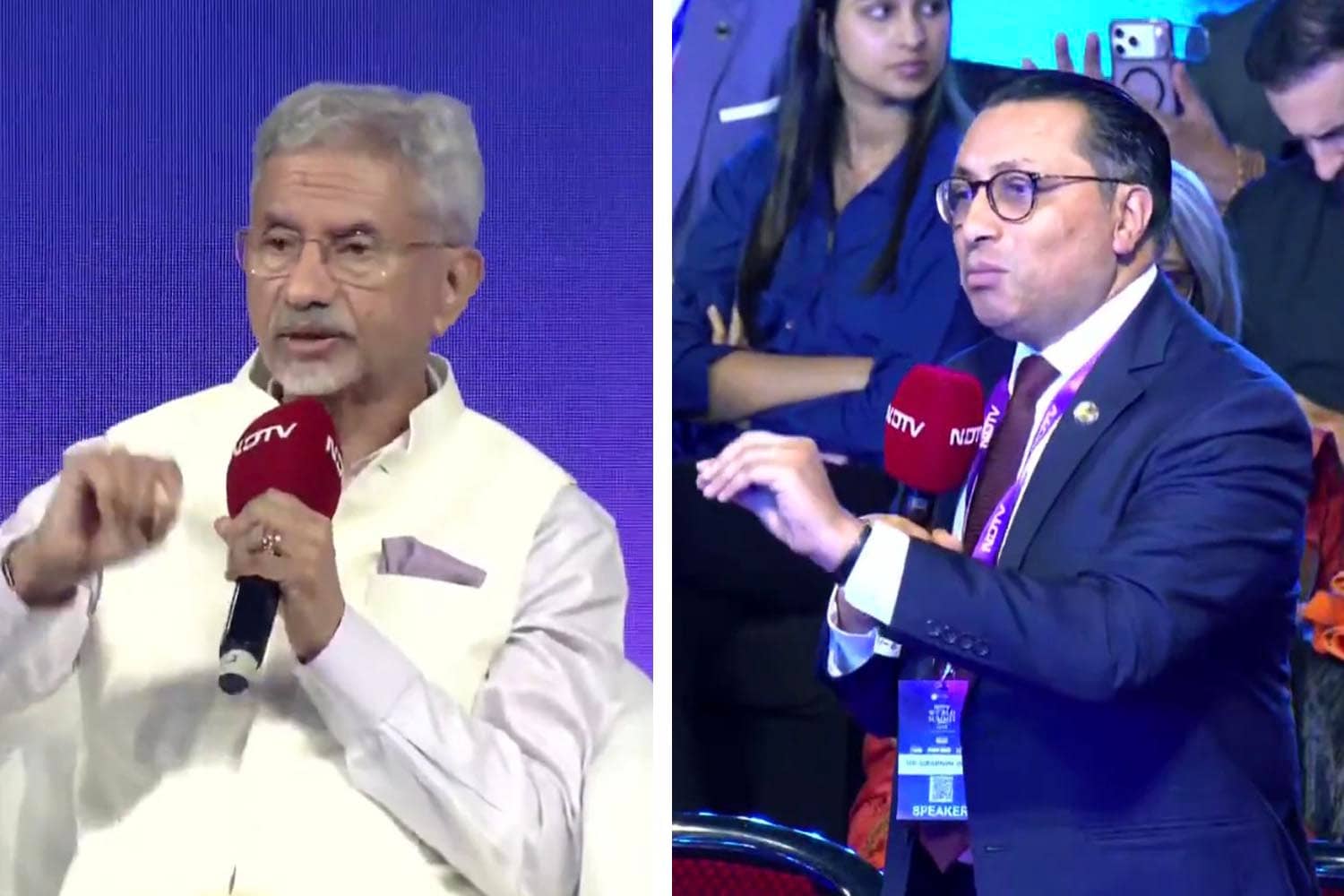
Nepal Finance Minister Swarnim Wagle questioned whether global cooperation is shifting away from traditional multilateral institutions toward smaller, flexible partnerships among like-minded nations during a panel discussion titled "The Geopolitics of Sovereign Choice" at the NDTV World Summit 2026. Indian External Affairs Minister S Jaishankar served as the principal speaker at the event in Kathmandu on October 23, 2026.
Wagle raised concerns regarding an increasingly fragmented international system, emerging competing trade blocs, and major powers showing less support for multilateralism. He asked whether bilateral, trilateral, and subregional arrangements should receive more formal institutional structures in areas such as disaster response, nutrition, energy, and clean energy. His inquiry questioned if multilateralism was giving way to regional groupings.
Historical Context of Regional Groupings
Wagle cited Nepal’s experience with India’s assistance after the 2015 earthquake and a recent climate-linked disaster in the Rasuwa-Bhotekoshi area, stating he could personally attest to the extraordinary support received within hours of these events. He noted that while multilateralism was preferred after the Cold War, regional arrangements like NAFTA, SAFTA, and AFTA were viewed as steps toward a broader system. However, weakening major power support has raised questions about the future of international cooperation.
Jaishankar responded that countries are increasingly reluctant to enter formal commitments because negotiations consume excessive time and energy. He stated that original objectives are often sidelined due to disputes over funding, operational arrangements, and rules. Formalization is beneficial where feasible, he noted, citing the International Solar Alliance as an example. However, he argued that cooperation can advance more effectively without elaborate institutional structures in many other cases.
Jaishankar cited BRICS as an example of a grouping operating without a secretariat or written charter signed by all members. He contrasted this with the Shanghai Cooperation Organisation, noting that appropriate structures depend on the issue, partners, and willingness to commit. The Indian minister asserted that the trend in international cooperation is clearly toward more ad hoc arrangements among like-minded countries.
Jaishankar noted that India had established nearly 50 such groupings over the preceding decade, including trilateral and quadrilateral partnerships. He said countries increasingly prefer cooperation mechanisms that impose less administrative burden while delivering tangible results rather than cumbersome institutional frameworks.