


Assessing the Radical Repositioning of American Power
External Affairs Minister S. Jaishankar stated on Sunday that the United States has "deliberately become a lonelier power" as the global geopolitical landscape undergoes significant transformation.
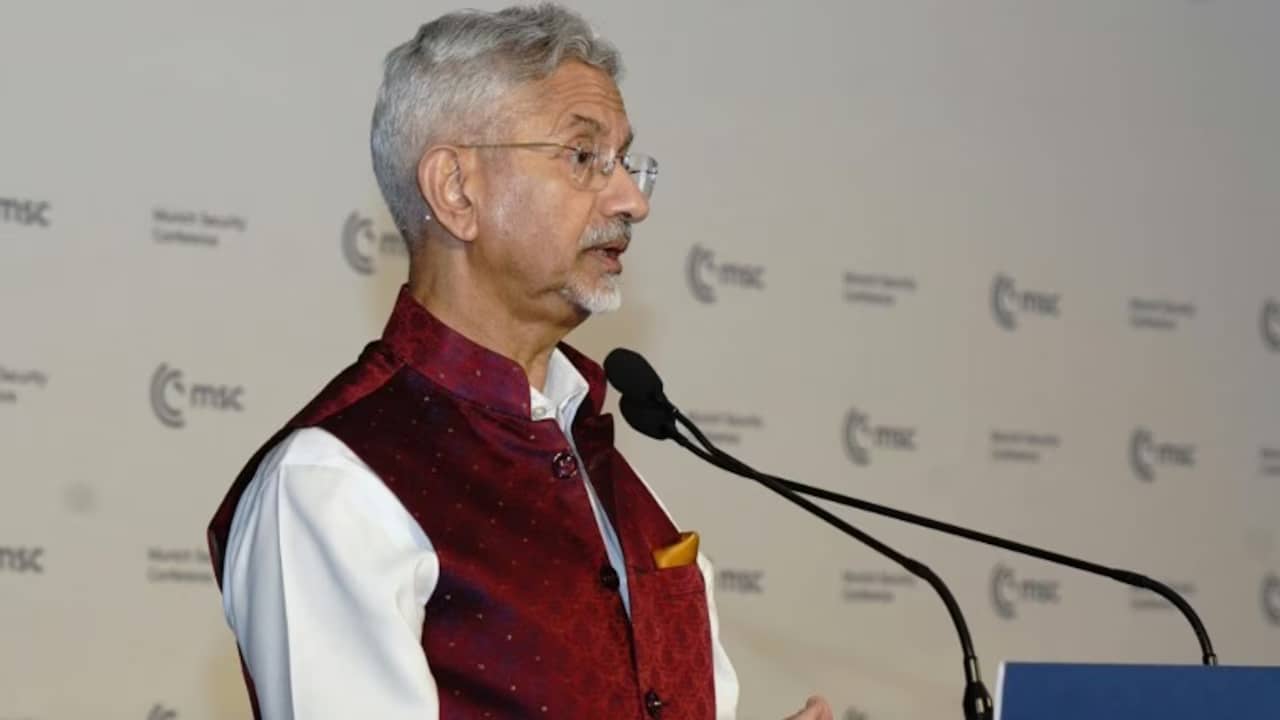
Jaishankar made these remarks while speaking at the Munich Leaders Meeting held in New Delhi. He described the current international environment as being primarily marked by a "radical repositioning" of the United States, characterizing this shift in American foreign policy posture as a deliberate choice rather than an inevitable outcome.
According to the minister, no one in the room at the Munich Leaders Meeting would disagree with the assessment that the global order is currently defined by this radical repositioning of US influence and engagement strategies.
Competition with China and Weaponized Leverage
Jaishankar identified the rise of China as a second defining feature of the current global landscape. He noted that Beijing views itself as unique in its trajectory and ambitions, leading to what he described as "very sharp competition" between New Delhi and Beijing.
This intensifying geopolitical rivalry has resulted in nations utilizing their advantages aggressively. Jaishankar argued that the competition has led to the "weaponisation of any leverage that any country has." He observed that this aggressive posturing coexists with the complex reality of global interdependence, creating a challenging environment for international relations.
Strategies for Middle Powers and Regional Cooperation
In response to these shifting dynamics, Jaishankar suggested that emerging and middle powers should prioritize strengthening interstate cooperation among themselves. He advised these nations to maintain diplomatic and economic ties with both the United States and China, particularly in areas where their interests do not directly clash.
The External Affairs Minister cited several existing frameworks as examples of countries working together despite broader geopolitical competition. These include the Quad, the India-Middle East-Europe Economic Corridor, the International North-South Transport Corridor, and the Northern Sea Route.
Jaishankar also highlighted the BRICS grouping as an example of nations uniting to amplify their collective voice on the global stage.
Initiatives Based on Shared Interests
Highlighting successful models of evolving global order, Jaishankar pointed to initiatives initiated by India that foster working arrangements based on shared interests. He specifically cited the International Solar Alliance and the Coalition for Disaster Resilient Infrastructure as examples where countries have developed habits of cooperation.
These frameworks demonstrate how nations can develop practical cooperation mechanisms even as they navigate a complex and competitive international system.