

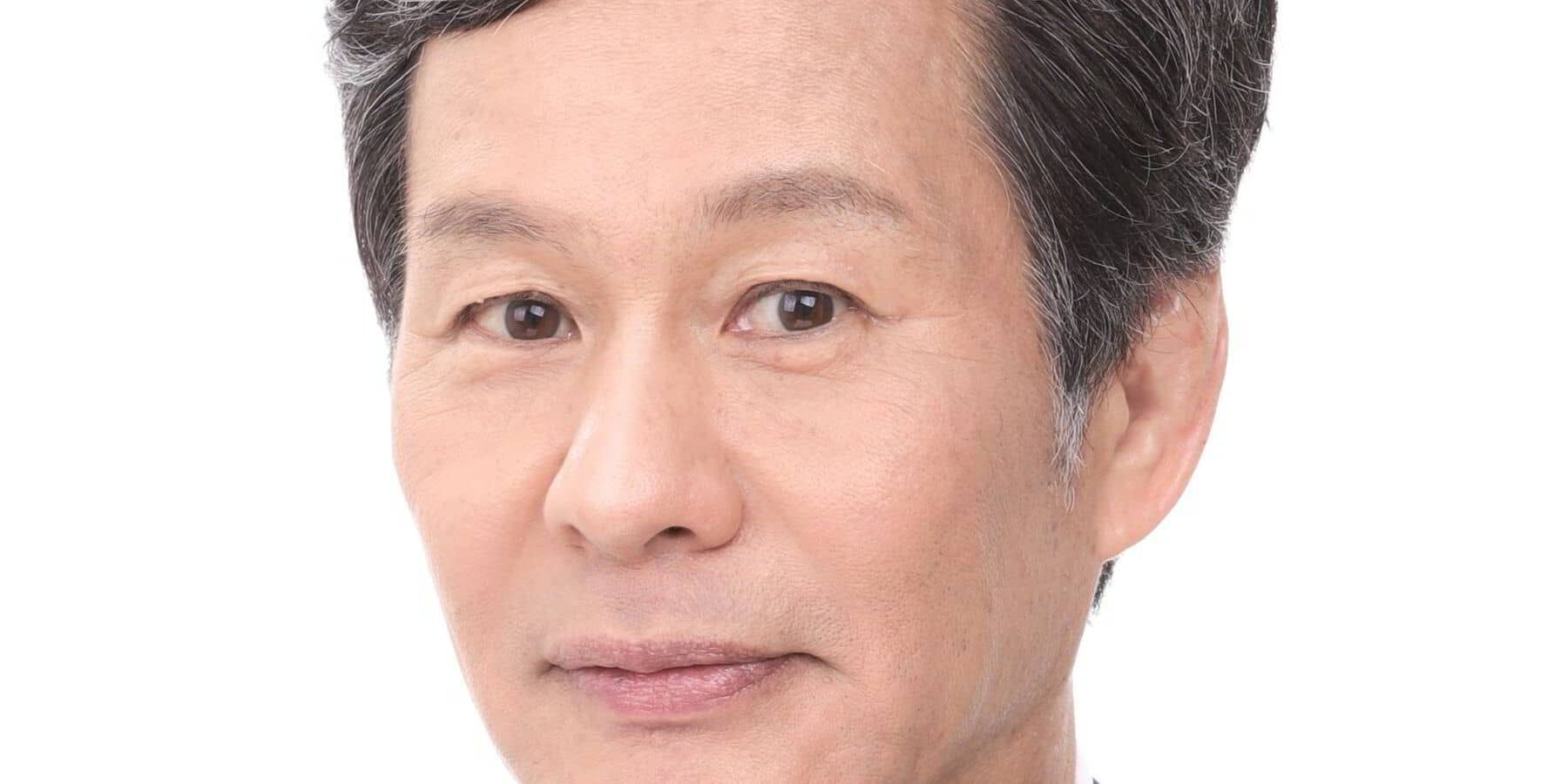

Japex Evaluates Natural Gas Role in Future Strategy
According to recent reporting by Upstream, the Japanese upstream player known as Japex is currently considering natural gas as a key component of its long-term strategic plan. The evaluation focuses on integrating this energy source into broader corporate objectives that span multiple decades.
The company's approach involves assessing various geological and economic factors associated with gas extraction. This consideration marks a specific direction for the entity within the international oil and gas sector. Japex operates as an upstream player, meaning its primary activities relate to exploration and production phases of hydrocarbon development rather than downstream refining or distribution.
Tomomi Yamada serves as president of the overseas business division at Japex. His leadership role encompasses decision-making processes regarding international operations where natural gas plays a potential part in future portfolios. The publication date for this information is listed as July 8, 2026, indicating current relevance to ongoing industry discussions.
Strategic Focus on Carbon Capture Technologies
In conjunction with evaluating natural gas assets, Japex has highlighted the importance of carbon capture and storage technologies. The company views these technological solutions as integral to its operational framework when dealing with specific types of reservoirs.
The emphasis placed on CCS suggests a calculated approach to managing environmental impact alongside resource extraction goals. This focus aligns with broader industry trends where upstream operators seek methods to mitigate emissions associated with hydrocarbon production and processing activities.
Development Prospects in Southeast Asian Regions
Japex has identified specific geographic regions where carbon capture and storage technologies are seen as crucial for development efforts. The company points toward CO2-rich gas fields located particularly within the Southeast Asia region as areas of interest for applying these advanced techniques.
The presence of high concentrations of carbon dioxide in certain natural gas reservoirs presents both challenges and opportunities. Developing such fields requires specialized technology capable of separating, capturing, and storing carbon emissions effectively during extraction operations. Japex considers this capability essential for moving forward with projects that contain significant CO2 content alongside methane.
Southeast Asia represents a critical geographic focus for these technological applications. The region hosts numerous offshore and onshore gas fields where geological conditions may favor the accumulation of mixed gases containing substantial carbon dioxide volumes. Addressing these specific field characteristics requires tailored engineering solutions that Japex is reportedly preparing to deploy through its CCS initiatives.
Operational Context in Indonesia
The research notes indicate connections between Japex operations and Indonesian energy markets. Tomomi Yamada's portfolio includes oversight of business activities within the United States and Indonesia, suggesting a transnational operational footprint that influences strategic planning decisions regarding natural gas investments.
Indonesia serves as one of several nations where upstream operators actively seek partnerships for resource development. The country possesses extensive hydrocarbon reserves including significant natural gas resources suitable for exploration by international entities like Japex. Engagement with Indonesian stakeholders forms part of the broader strategy to secure long-term access to energy assets in key Asian markets.
Industry Context and Reporting Details
The article originates from Upstream, a publication described as providing independent news and analysis regarding major oil and gas projects shaping the industry over nearly three decades. The editorial team under Editor-In-Chief Leia Marie Parker filters information to highlight matters considered important within international energy markets.
Upstream operates alongside DN Media Group, which includes multiple media properties covering various sectors beyond traditional journalism. This organizational structure allows for specialized reporting on niche industries such as upstream oil and gas exploration where technical details require expert interpretation rather than general commentary.
The publication date of July 8, 2026 reflects the timing of this specific report regarding Japex's strategic considerations. Updates to the article occurred at the same timestamp, suggesting real-time verification processes employed by editorial staff before release. These procedural elements ensure that reported information meets standards for accuracy and timeliness expected in professional energy journalism.
Geographic Scope of Coverage
The reporting covers multiple geographic locations including Singapore where Tomomi Yamada was photographed during coverage activities, the United States representing another operational region for Japex's overseas division, Indonesia as a primary focus area within Southeast Asia, and broader references to Asian markets generally.
Singapore functions as a regional hub often utilized by energy companies conducting business across South and East Asia. Its strategic location facilitates connections between major producers in the Middle East, Africa, Australia, and domestic Asian nations including Japan's own resource interests and those of neighboring countries like Indonesia.
Technological Integration Requirements
The integration of carbon capture technologies into natural gas development projects requires specific technical capabilities. Japex recognizes that developing CO2-rich fields demands more than standard extraction methodologies employed for conventional dry or wet gas reserves lacking significant impurities.
Standard drilling and production techniques may not suffice when dealing with reservoirs containing high volumes of dissolved carbon dioxide. Specialized equipment designed to separate gases at wellhead facilities becomes necessary before processing continues through compression, dehydration, and purification stages typical in natural gas treatment trains.
Emission Management Considerations
Carbon capture systems installed during extraction operations allow operators to isolate CO2 from methane streams destined for commercial use or pipeline transport. Captured carbon dioxide can then be transported via pipelines or shipping vessels to suitable geological formations where permanent storage occurs deep underground in saline aquifers, depleted oil and gas fields, or other porous rock structures capable of containing large volumes over extended periods.
Storage site selection involves rigorous geophysical surveys assessing caprock integrity, porosity characteristics, and depth suitability for secure containment. Regulatory frameworks governing carbon capture and storage vary by jurisdiction but generally require demonstration projects proving technical feasibility before commercial-scale deployment proceeds across multiple sites simultaneously within a single country or region.
"