


Museum Sets Official Opening Date Following Media Preview
The Lucas Museum of Narrative Art has established September 22 as the official date for its opening to the public. This announcement marks the culmination of a long preparation period for the institution, which has been in development for several years.
In advance of the public launch, the museum hosted a media preview on Wednesday, September 2. The event provided journalists and press members with an initial look at the facility and its collections before the general admission doors were opened later in the month.
The Boston Herald reported on the preparations for this long-awaited opening, noting the institution's intent to engage visitors through its specific focus on narrative art. The museum is located in Los Angeles, California, a city known for its significant contributions to the film and entertainment industries.
Focus on Imagination and Storytelling
According to reports from the Boston Herald, the Lucas Museum of Narrative Art aims to inspire creativity and spark imagination among its visitors. The institution’s mission centers on the preservation and exhibition of works that tell stories through visual media.
The museum’s collection is expected to include a wide range of artistic mediums, including concept art, illustrations, paintings, and sculptures. These items are drawn from various sources, including film, television, literature, and video games, reflecting the broad scope of narrative art.
George Lucas, the founder of the museum, has been associated with the project since its inception. The museum houses a significant portion of his personal collection of narrative art, which spans decades and encompasses works from numerous artists who have contributed to the visual storytelling landscape.
Institutional Goals and Public Access
The establishment of the museum is intended to provide a dedicated space for the appreciation of narrative art, a field that has often been overlooked by traditional fine art institutions. By focusing on this specific genre, the Lucas Museum seeks to elevate the status of visual storytelling as a serious artistic discipline.
The opening on September 22 will allow the public to access these collections directly. Prior to this date, only select groups, such as the media attendees at the September 2 preview, had been granted access to the facility.
Officials associated with the museum have stated that the institution hopes to serve as a resource for artists, students, and enthusiasts of visual narrative. The goal is to create an environment where the techniques and histories of storytelling through art can be explored in depth.
Historical Context of the Project
The Lucas Museum of Narrative Art has been a subject of public interest for many years due to its lengthy development timeline. The project faced various challenges, including site selection, fundraising, and architectural design, before breaking ground on its current location in Exposition Park in Los Angeles.
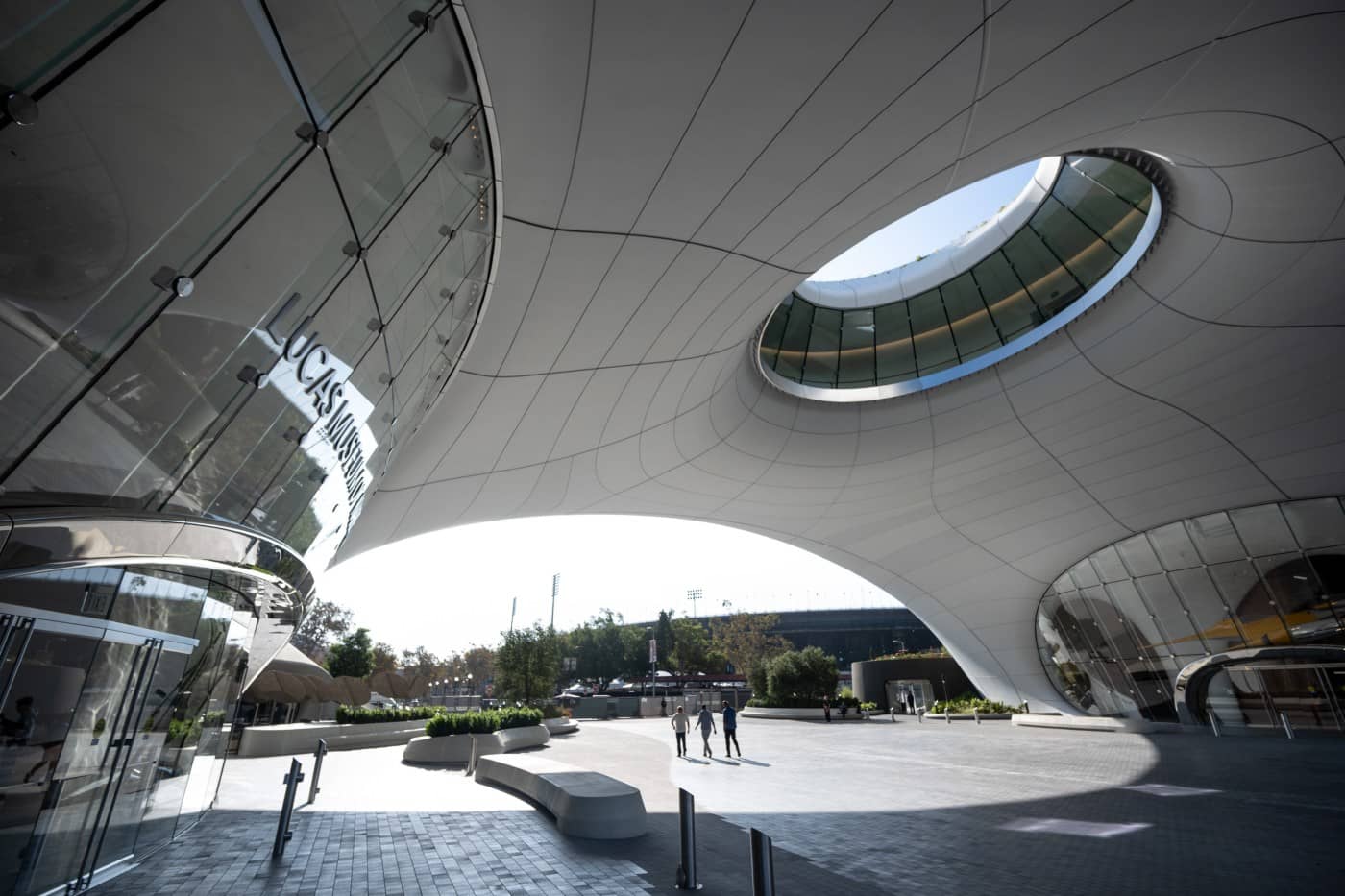
The museum’s architecture is designed by Pritzker Prize-winning architect Ma Yansong. The building itself is intended to reflect the themes of the collection, with a design that incorporates elements of nature and technology.
Construction on the facility was completed in recent years, allowing for the installation of exhibits and the finalization of operational protocols. The September 2026 opening date follows this completion phase, marking the transition from construction to public operation.
Comparisons to Other Institutions
The Lucas Museum is distinct from other major art museums in its specific focus on narrative art. While institutions such as the Museum of Modern Art or the Louvre may include narrative works within their broader collections, the Lucas Museum dedicates its entire mission to this genre.
This specialized approach has drawn attention from critics and supporters alike. Supporters argue that it fills a gap in the cultural landscape by validating visual storytelling as a legitimate art form. Critics have occasionally questioned the scope of the collection or the allocation of resources to such a niche institution.
Despite these varied perspectives, the museum proceeds with its planned opening. The September 22 date is now fixed, and the institution is preparing for the influx of visitors that will follow.
Visitor Information and Logistics
As the opening date approaches, details regarding ticketing, hours of operation, and exhibit schedules are being finalized. The museum is expected to offer various educational programs and events in conjunction with its permanent and rotating exhibits.
The media preview on September 2 served as a final check for operational readiness. Journalists who attended the event were able to view select pieces from the collection and speak with museum staff about the institution’s goals.
The Boston Herald’s coverage of the preview highlighted the anticipation surrounding the opening. The article noted that the museum represents a significant cultural addition to Los Angeles, joining other major institutions in the city such as the Getty Center and the Museum of Contemporary Art.
Public access begins on September 22. Visitors will be able to explore the galleries and view the extensive collection of narrative art assembled by George Lucas and his team. The museum aims to provide an immersive experience that connects viewers with the stories behind the artworks.
Impact on Local Culture
The opening of the Lucas Museum is anticipated to have an impact on the local cultural scene in Los Angeles. By attracting visitors interested in narrative art, the museum may draw audiences who do not typically visit traditional fine art museums.
This potential shift in audience demographics could influence how narrative art is perceived and valued in the broader art community. It may also encourage other institutions to consider similar specialized approaches to their collections and programming.
The museum’s presence in Exposition Park places it near other major cultural landmarks, creating a hub for artistic engagement in the area. This location was chosen for its accessibility and its proximity to other educational and cultural resources.
As September 22 approaches, preparations continue to ensure that the museum is ready for its public debut. The institution’s leadership remains focused on its mission to inspire creativity and spark imagination through the power of visual storytelling.