


Intelligence Probe and Personal Allegations
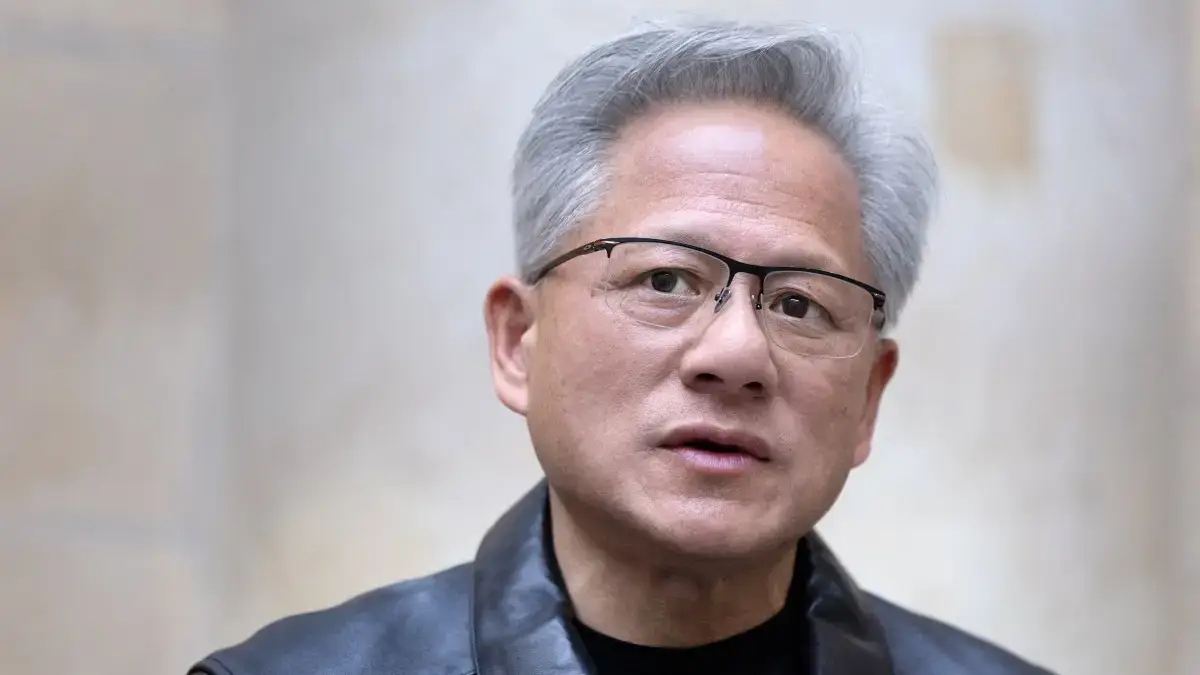
NVIDIA CEO Jensen Huang is the subject of an investigation by American intelligence agencies concerning potential national security risks tied to his personal relationships. Reports indicate that Huang admitted to cheating on his wife with a Chinese woman named Alice Huang, who is currently being investigated as a spy.
The allegations have drawn attention from the highest levels of the US government. Former President Donald Trump stated that the Federal Bureau of Investigation (FBI) is probing Huang amid national security concerns. In comments regarding the situation, Trump claimed that Huang "had no idea she was a spy." Despite these developments, there is currently no public proof that America's technology interests or national security have been compromised.
The news triggered immediate financial repercussions for the company. NVIDIA shares crashed 8% following reports of the probe into Huang's alleged spy links.
Political Fallout and Legislative Demands
The intersection of Huang's personal life and his role as a leader in the semiconductor industry has sparked intense political scrutiny. Republican lawmakers have called on Huang to testify before Congress on November 18.
Democratic lawmakers are also demanding answers from NVIDIA, calling for stronger laws to prevent advanced US technology from reaching China. This legislative pressure occurs against the backdrop of long-standing efforts by Washington to restrict China's access to its most advanced semiconductors.
Strategic Disagreements on Semiconductor Exports
Huang has repeatedly argued for selling more NVIDIA technology to the Chinese market, asserting that the United States and China need to work together for the sake of tech safety. This position contrasts with the broader US strategy of limiting technological transfer.
The episode highlights a fundamental divergence in how the two nations view the ongoing competition. Washington views the AI war as a battle of chips and computing power, while Beijing views it as a fight about access, information, and influence.
Implications for Tech and Foreign Policy
The convergence of personal allegations and corporate policy has exposed what observers describe as a risky cocktail of tech billionaires and foreign policy. The situation has the potential to lead to greater mistrust between the US and China, tighter AI restrictions, and a more geo-politicized tech industry.