


Escalating Tensions in Karnataka Congress Leadership
Tensions are reportedly escalating within the Karnataka unit of the Indian National Congress party. This rise in internal strain is closely linked to ongoing discussions surrounding potential leadership changes and a prospective cabinet reshuffle within the state government. The political landscape in Karnataka is currently characterized by intricate negotiations and strategic considerations that could redefine the power dynamics within the ruling party.
Sources indicate that these internal deliberations are not merely procedural but reflect deeper currents of political ambition and strategic positioning among key figures. The outcome of these discussions is anticipated to have significant implications for the stability and future direction of the Congress government in Karnataka, as well as the party's broader standing in the southern state.
Leadership Dynamics and Cabinet Reshuffle Speculations
The prospect of a cabinet reshuffle has become a central point of contention and discussion within the Karnataka Congress. Such a reshuffle typically involves reassigning ministerial portfolios, introducing new ministers, or removing existing ones, often aimed at improving governance, balancing regional or caste representation, or consolidating political power. In the current context, the speculation around a reshuffle is understood to be a mechanism through which the party leadership might address internal dissent or re-energize its administrative machinery.
Reports suggest that the discussions extend beyond mere administrative adjustments, touching upon the very structure of leadership within the state. The allocation of government departments is widely seen as a critical factor that could significantly influence future power dynamics. Certain portfolios are traditionally considered more influential due to their budgetary allocations, public interface, or capacity for policy implementation, making their distribution a key aspect of political negotiation.
The Roles of Siddaramaiah and D.K. Shivakumar
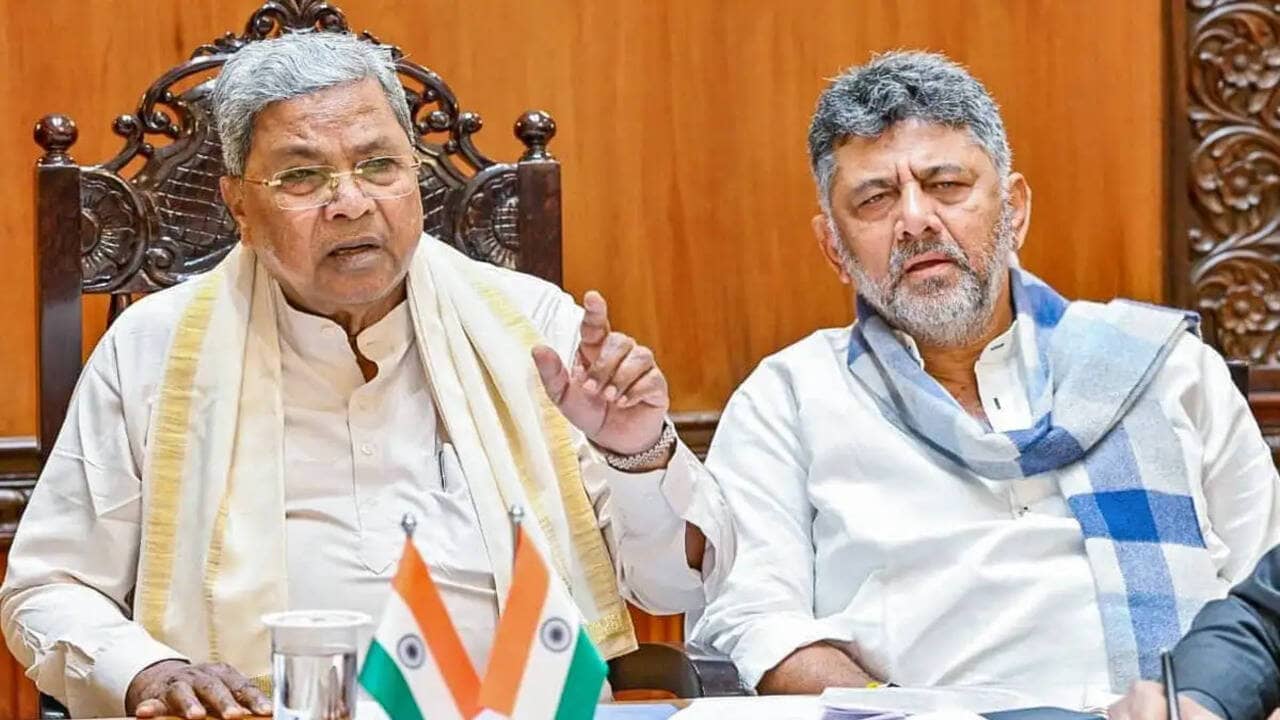
At the epicenter of this political drama are two prominent figures: Chief Minister Siddaramaiah and Deputy Chief Minister D.K. Shivakumar. Both leaders command significant support bases within the party and the state, and their individual political trajectories are closely intertwined with the Congress party's performance in Karnataka. Siddaramaiah, a veteran politician, holds the top executive position, while Shivakumar, also the President of the Karnataka Pradesh Congress Committee (KPCC), holds a crucial organizational and governmental role.
The relationship between Siddaramaiah and Shivakumar has been a subject of continuous political observation, particularly since the formation of the current government. Their respective factions and supporters are reportedly engaged in a delicate balance of power, with any perceived shift in influence potentially leading to broader repercussions within the party structure. The ongoing discussions about leadership changes are thus viewed through the lens of this dynamic, with both leaders' future roles being a central focus.
Significance of Department Allocation
The allocation and potential reallocation of government departments are not merely administrative decisions but are deeply political in nature. Key portfolios such as Finance, Home, Urban Development, Energy, and Water Resources often carry substantial influence over policy-making, resource distribution, and public perception. Control over these departments can empower a minister to implement significant reforms, initiate large-scale projects, and build a strong public profile, thereby enhancing their political standing.
In the context of the current tensions, the distribution of these powerful portfolios is seen as a crucial determinant of the future power balance between different factions within the Congress. Any changes in departmental control could signal a shift in the internal hierarchy or an attempt to empower certain leaders over others. Consequently, the negotiations surrounding department allocation are understood to be intricate, involving extensive discussions and strategic maneuvering to secure advantageous positions for various party members and their patrons.
Speculation Regarding Siddaramaiah's Future
Amidst the ongoing discussions, speculation has emerged regarding the future role of Chief Minister Siddaramaiah. Reports from political circles suggest the possibility of Siddaramaiah potentially stepping down from his current position as Chief Minister. While no official confirmation has been made, this speculation adds another layer of complexity to the already charged political environment in Karnataka.
Such a move, if it were to materialize, would represent a significant shift in the state's political leadership and could trigger a series of consequential events within the Congress party. The reasons behind such a potential decision are subject to various interpretations, ranging from strategic party considerations to personal political aspirations, though no definitive cause has been publicly established.
The Rajya Sabha Option and Bihar Precedent
One specific possibility being discussed in relation to Siddaramaiah's speculated departure from the Chief Minister's office is the option of him taking a seat in the Rajya Sabha, the upper house of India's Parliament. A move to the Rajya Sabha would transition Siddaramaiah from state-level executive leadership to a central legislative role, potentially allowing him to play a more prominent role in national politics or serve as a senior advisor to the party at the national level.
This potential strategy is noted by political observers as mirroring recent political developments and strategies observed in other states, particularly Bihar. In Bihar, similar instances have occurred where senior state leaders have transitioned to central parliamentary roles, often to manage internal party dynamics, provide experienced leadership at the national level, or facilitate leadership changes within the state unit. The implications of such a move for Karnataka's political landscape, including the succession plan for the Chief Minister's post, remain a subject of intense internal party deliberation.