

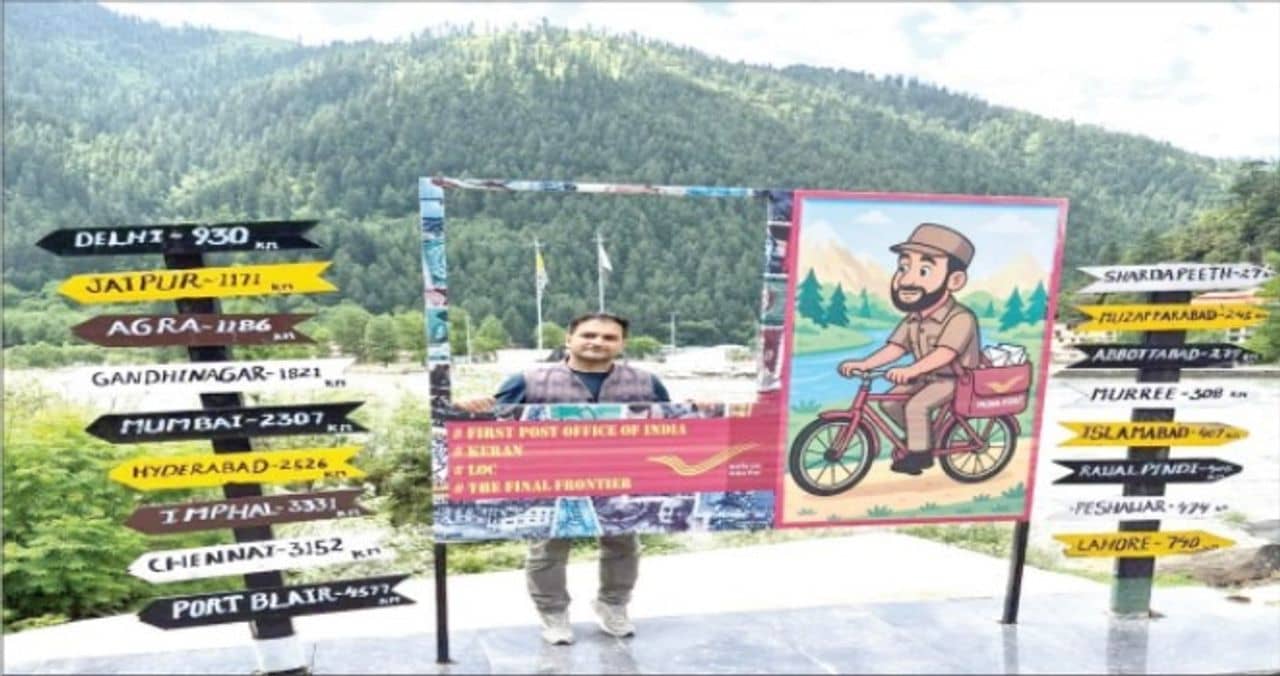

Historical Landscape Of Conflict And Instability
Keran is a village located within Kupwara district, situated on the banks of the Kishanganga River. For decades, this specific landscape symbolized the fragility of peace between India and Pakistan. Earlier periods were defined by frequent ceasefire violations, infiltration attempts, and displacement of civilians that characterized life in this frontier area. Every exchange of fire disrupted local education systems, agriculture production, and livelihoods for residents living on both sides.
Uncertainty became an inseparable part of daily existence during these earlier years. The constant threat of violence created a volatile environment where stability was rare. These conditions defined the region until recent changes began to alter the identity of Keran valley. Today, the area is slowly acquiring a different identity which observers describe as encouraging.
The transformation stands as a testament to how peace can transform border communities over time. This shift demonstrates tangible benefits derived from stability and mutual understanding between populations separated by political boundaries. The region now serves as evidence that borders may divide nations but cannot extinguish humanity at any cost, according to the narrative presented in recent reports.
Emergence Of Tourism And Cross-Border Interactions
Tourism has become a growing sector within Keran valley alongside people-to-people interactions. Shared cultural bonds among families and communities living on both sides of Kashmir are becoming more prominent features of the local landscape. These developments demonstrate tangible benefits resulting from stability and mutual understanding between India and Pakistan.
One defining moment in present-day Keran involves residents standing on opposite banks of the river waving to one another. Tourists frequently exchange greetings with locals across the Line of Control (LoC). These brief interactions are informal and spontaneous, conducted strictly within limits set by security regulations.
Despite these restrictions, such gestures carry immense symbolic value for observers studying border dynamics. They remind viewers that despite national divisions, people living on both sides share a common cultural and social heritage. The visual of individuals greeting each other across the water serves as daily proof of shared humanity persisting alongside geopolitical tensions.
These interactions highlight how everyday life continues to evolve even in contested zones where heavy machinery like tanks or artillery might otherwise dominate headlines elsewhere along the border line. The presence of tourists exchanging words with residents underscores a shift from purely military-focused narratives toward human-centric stories emerging from the region.
The Funeral Of Naib Tehsildar Liyaqat Ali Khan
Perhaps nothing illustrates this shared humanity more poignantly than events surrounding the funeral of Naib Tehsildar Liyaqat Ali Khan in April 2026. After his untimely demise, news traveled across the LoC to reach close relatives living in Pakistan-occupied Kashmir.
His mortal remains were brought back to his ancestral village of Keran for burial according to traditional customs observed by family members on both sides. Close relatives gathered on the opposite bank of the Kishanganga River upon hearing news of his death.
Though they could not cross the border to shoulder his coffin, embrace grieving family members or offer condolences in person due to security protocols preventing movement across the LoC at that time, these individuals stood across the river offering prayers and bidding him a final farewell from a distance. This event exemplified how shared cultural bonds persist even when physical mobility is restricted by political boundaries.
The gathering on the opposite bank demonstrated that grief knows no borders while respect for human life transcends territorial lines defined by international agreements or military demarcations. Such moments reinforce claims made about enduring connections between communities separated only by water and administrative barriers rather than deep-seated animosity or hatred among ordinary citizens.
Local people acknowledge each other with simple gestures that carry significant weight in terms of symbolic communication across the divide. These informal exchanges conducted within security regulations remind observers that shared cultural heritage exists independently from current political realities governing relations between New Delhi and Islamabad.