


The New Cold War Comes to Kodiak
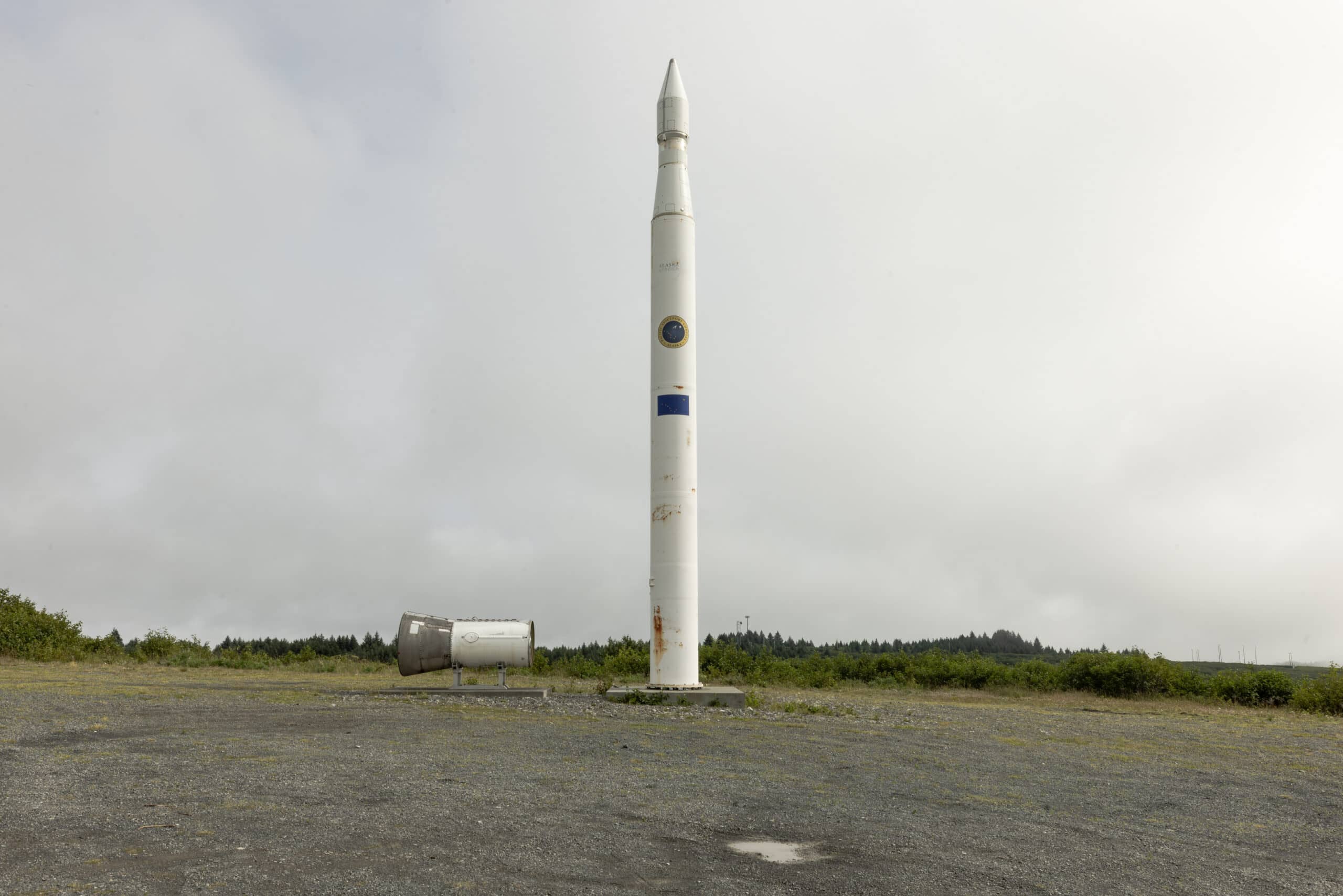
A story titled "The New Cold War Comes to Kodiak," produced in partnership with Grist and supported by the Pulitzer Center, reports that Christine Burton received an unexpected call from her sister, an employee at the Pacific Spaceport Complex in Kodiak, Alaska, last August. The state-owned facility was preparing for an unannounced test launch of what was likely a hypersonic missile, requiring the closure of the only road connecting the town center to the site.
Burton and her husband Buck operate a 140-acre bison ranch adjacent to the Spaceport; they have experienced disruptions including road closures, accidents, and at least five rocket explosions or malfunctions that released debris and toxic material over the last couple of years. During the August incident, Burton was blocked from leaving her home by an unmarked security vehicle while her 6-year-old child was sick, as government officials imposed an unprecedented information blackout that prevented Alaska Aerospace staff from notifying local media or the Department of Transportation about the road closure.
On August 21, 2025, around 10 p.m., a rocket streaked across the sky and broke up over the Pacific; social media videos captured the flight path, with one viewer speculating it was a nuclear weapon fired from Russia. Alaska Aerospace Corporation stated the event was a "successful government rocket launch" and urged Kodiak residents to be proud of their role in the U.S. space legacy.
Restrictions on Communication
Alaska Aerospace CEO John Oberst told colleagues at a board meeting that government officials put "handcuffs on us" by restricting public communication about the launch. Founded by the state of Alaska in 1991, Alaska Aerospace was originally established as a public corporation focused on space-related economic growth and educational development, distinct from federal installations like Cape Canaveral or Vandenberg Space Force Base.
Kodiak resident Stacy Studebaker noted that officials previously touted the facility's public-facing nature and potential to contribute to the local economy.