


Environmental Threats Outweigh Naming Debates
According to a comprehensive report published by The Walrus on September 1, 2026, Lake Ontario is confronting significant environmental challenges that substantially overshadow political discussions regarding its identity. The article, pointedly titled "Lake Ontario Has Bigger Problems than Donald Trump," argues that the Great Lake is currently under severe threat from pervasive pollution, extensive development along its shores, and decades of systemic neglect.
The Walrus, a publication dedicated to providing fact-based journalism to spark Canadian conversation, released this critical piece on September 1, 2026. Authored by Daniel Macfarlane, the article was originally published at 12:00 and subsequently updated at 23:35 on the same date, indicating its timely relevance and potential for ongoing discussion.
The report strongly suggests that public attention and policy focus should be redirected away from what it characterizes as trivial disputes over the lake's name and firmly toward these tangible, pressing ecological issues. The piece is prominently featured in the Environment section of the publisher's website, aligning with other content covering vital areas such as business, society, politics, arts, and culture, underscoring the interconnectedness of environmental health with broader societal well-being.
Shoreline Development and Pollution Concerns
The primary assertion articulated in the source material is that Lake Ontario is being gravely threatened by pollution. The report identifies this contamination as a critical and pervasive factor directly impacting the overall health and ecological integrity of the vast water body. This pollution, stemming from various sources, compromises water quality, endangers aquatic ecosystems, and poses potential risks to both wildlife and human populations reliant on the lake.
In addition to the pervasive issue of pollution, the article highlights extensive development along the lake's shores as a significant contributing factor to its ongoing challenges. This development encompasses urban sprawl, industrial expansion, and infrastructure projects that often lead to the loss of natural habitats, increased impervious surfaces, and a greater volume of runoff carrying pollutants directly into the lake. This unchecked growth is presented alongside decades of neglect as key elements that have cumulatively and negatively impacted the Great Lake, eroding its resilience and natural functions over time.
Observer Perspectives on Water Conditions
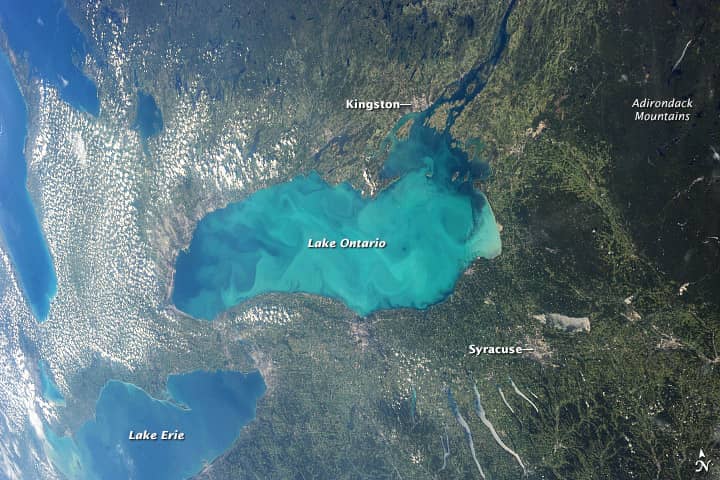
The article includes a compelling observational account from the author, Daniel Macfarlane, regarding the physical state of the lake, which serves to vividly illustrate its vulnerability. Macfarlane describes watching Lake Ontario change shades dramatically from a tall tower on Toronto’s waterfront during a summer stay, offering a firsthand glimpse into the dynamic yet fragile nature of the ecosystem.
According to the text, the water initially appeared a steely grey, punctuated by whitecaps as heavy clouds rolled in and a storm began to approach. When a squall eventually struck, the water underwent a drastic transformation, turning a roiling black, indicative of the turbulent conditions and the potential for stirred-up sediments or other material. The description notes that the water became variegated as conditions shifted, a visual metaphor for the complex and often distressed state of the lake, reflecting both natural phenomena and the potential impact of human activities.
The Cumulative Impact of Neglect and Growth
The report from The Walrus underscores that the current environmental predicament of Lake Ontario is not merely a result of isolated incidents but rather the cumulative effect of decades of neglect. This long-term oversight implies a historical lack of consistent environmental policy, insufficient investment in conservation efforts, and a societal oversight regarding the sustained health of the Great Lake. Such neglect has allowed environmental degradation to persist and worsen, creating a complex web of challenges that now demand urgent attention.
The interplay between this historical neglect and the ongoing extensive development along the lake’s shores creates a particularly potent threat. As natural buffers like wetlands and shorelines are diminished or destroyed by development, the lake becomes more susceptible to pollution runoff and habitat loss. The absence of robust protective measures over many years has exacerbated the impact of human activities, making the lake less resilient to the pressures of urbanization and industrialization. This dual challenge necessitates a comprehensive and sustained approach to conservation and management, moving beyond superficial discussions to address the root causes of environmental decline.
The Walrus's Commitment to Canadian Issues
Beyond its insightful articles, The Walrus provides a diverse array of services and content formats, solidifying its role as a significant voice in Canadian discourse. The publication’s website is structured into distinct sections covering Business, Environment, Health, Politics, Arts & Culture, and Society, reflecting its broad editorial scope and commitment to exploring various facets of Canadian life. It also offers specialized series such as "Hope You’re Well," "For the Love of the Game," "Living Rooms," and "In Other Worlds: A Space Exploration," demonstrating a dedication to in-depth, thematic journalism.
The Walrus actively fosters public engagement through various events, including The Walrus Talks, which are renowned for bringing together thought leaders; The Walrus Video Room; The Walrus Leadership Roundtables; and The Walrus Leadership Forums. Furthermore, the organization operates The Walrus Lab, an initiative focused on innovation in journalism, and supports cultural endeavors such as the Amazon First Novel Award, showcasing its broader commitment to Canadian arts and literature.
Readers can access The Walrus's rich content through multiple platforms, including newsletters, podcasts, and the flagship magazine itself. The publisher actively encourages public support through donations and subscriptions, offering various options such as subscribing, renewing a subscription, changing an address, and accessing The Walrus Plus Annual Report for transparency. The organization maintains a robust presence across major social media platforms, including Twitter, LinkedIn, YouTube, TikTok, Facebook, Instagram, and Bluesky, ensuring wide dissemination of its content and fostering community interaction. Comprehensive contact information and account management tools are readily available for subscribers who wish to manage their subscriptions or access merchandise, reinforcing The Walrus's commitment to its readership and its mission to spark informed Canadian conversation.