


Contradictory Posts and Socialist Ties
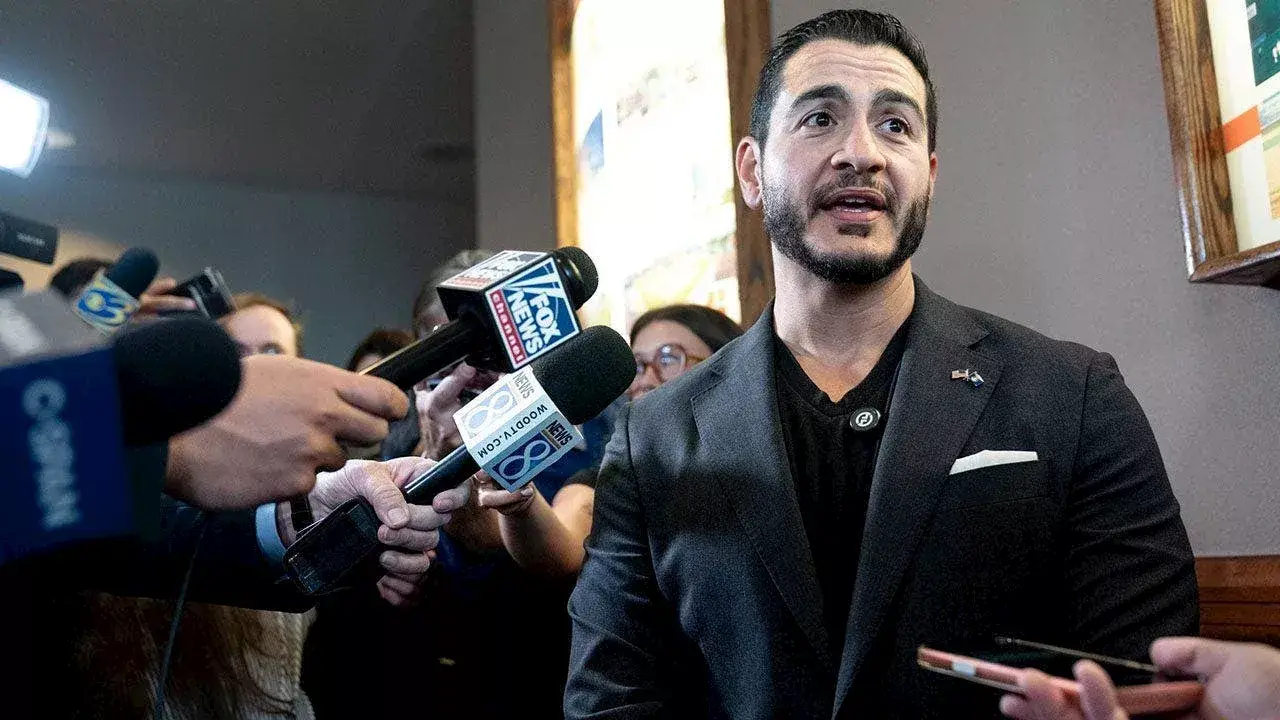
Much of the scrutiny surrounding Michigan Democratic U.S. Senate candidate Abdul El-Sayed centers on unearthed social media posts that contradict his public characterization of himself as a capitalist. As El-Sayed prepares to face Republican Mike Rogers in the upcoming election, these digital artifacts have drawn attention to his historical connections with the Detroit chapter of the Democratic Socialists of America (DSA).
According to reports from Fox News, the local DSA chapter has applauded El-Sayed’s views on climate advocacy and referred to him as a "comrade." However, the organization has not officially endorsed his Senate bid or affirmed his current political platform.
El-Sayed’s Definition of Capitalism
El-Sayed has attempted to clarify his economic stance by stating, "I’m a capitalist who just knows about capitalism." He argues that believing in capitalism requires supporting government regulation to protect markets and taxing billionaires. This definition is reflected in the policies he has championed during his campaigns.
His policy platform includes support for Medicare for All, increasing taxes on top earners, and imposing stricter penalties on businesses regarding natural resource abuse. These positions have drawn comparisons to socialist platforms, despite El-Sayed’s insistence that they are consistent with a regulated capitalist framework.
Historical Support from Socialist Groups
The current scrutiny is linked to El-Sayed’s political history, particularly during his 2018 gubernatorial campaign. During that race, he garnered support from the DSA, largely due to his climate platform. One specific instance involved El-Sayed signing onto a demand to seize abandoned plants owned by General Motors after the company announced cuts of approximately 14,000 jobs.
El-Sayed also holds endorsements from prominent progressive figures, including Representative Alexandria Ocasio-Cortez (AOC) and Senator Bernie Sanders. These endorsements have further fueled debates regarding his ideological alignment as he transitions from state-level politics to a U.S. Senate race against Republican Mike Rogers.