

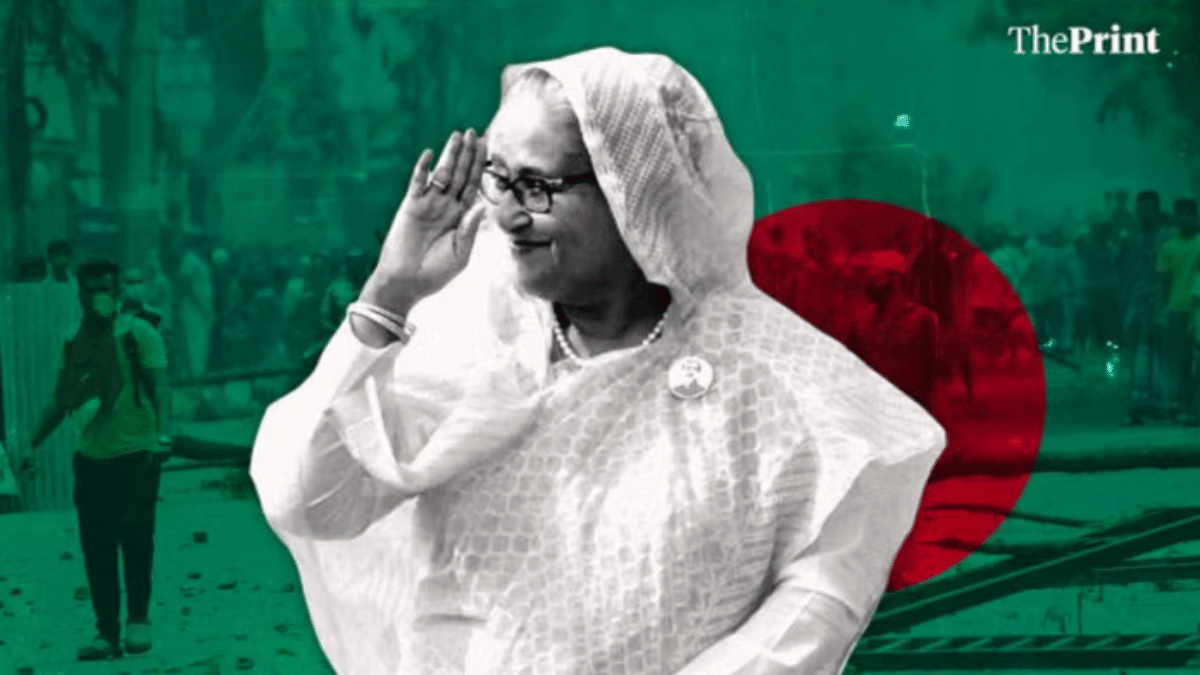

Conviction and Sentencing of Former Prime Minister
Sheikh Hasina, the former Prime Minister of Bangladesh, was convicted by Bangladesh’s International Crimes Tribunal in November 2025. The tribunal sentenced her to death in absentia for crimes against humanity. This legal development has placed her status at the center of diplomatic discussions between Dhaka and New Delhi.
The conviction occurred while Hasina was outside of Bangladesh, leading to the "in absentia" designation of her death sentence. The International Crimes Tribunal, which handles cases related to war crimes and crimes against humanity committed during the 1971 Liberation War, issued the verdict in November 2025.
Dhaka Links Extradition Efforts to Diplomatic Visit
Recent diplomatic developments have connected the issue of Hasina’s extradition to a proposed visit by Tarique Rahman to New Delhi. Tarique Rahman is a leader of the Awami League and serves as the Prime Minister of the Bangladesh Nationalist Party (BNP) opposition government in exile or as a key political figure depending on the current administrative status, though sources identify him specifically as Prime Minister Tarique Rahman in this context.
According to reports, Dhaka has explicitly linked the proposed visit of Prime Minister Tarique Rahman to New Delhi with the "expedition of the extradition" of its former prime minister Sheikh Hasina from India. The government in Dhaka indicated that a "propitious environment" would be created by such a visit to facilitate the legal process of bringing Hasina back for enforcement of the sentence.
This linkage suggests that the Bangladeshi administration views diplomatic engagement with Indian leadership as a strategic lever to accelerate legal proceedings against Hasina. The term "expedition" implies a desire for speed and efficiency in the extradition process, rather than allowing it to proceed through standard, potentially lengthy bureaucratic channels.
Political Dynamics and Regional Relations
The connection between Tarique Rahman’s potential visit and the extradition request highlights the intersection of domestic legal outcomes and international diplomacy. Hasina remains a significant political figure in South Asian politics, and her legal status continues to influence bilateral relations between India and Bangladesh.
As noted in reporting, "politics and dynamics of the relationship aside," the Awami League leader is back in the spotlight due to these developments. The mention of the Awami League indicates that Hasina’s political affiliation remains a central element in how her case is perceived and managed by various political actors.
Legal Framework and Extradition Questions
The question of whether India can extradite Sheikh Hasina back to Bangladesh involves complex legal considerations. The extradition process is governed by treaties and domestic laws in both countries. While the specific text of the extradition treaty was not detailed in the provided notes, the existence of such a framework is implied by the ongoing discussions regarding its application.
India must evaluate the request based on its own legal standards for extradition, which typically require dual criminality, evidence of probable cause, and assurances regarding human rights treatment. The death sentence handed to Hasina in November 2025 adds a layer of complexity, as many nations, including India, have restrictions on extraditing individuals to countries where they may face capital punishment unless specific assurances are provided.
The International Crimes Tribunal’s role in this process is limited to the issuance of the sentence. The actual transfer of custody depends entirely on Indian legal procedures and diplomatic decisions. The proposed visit by Tarique Rahman is seen as a political move to influence these legal and diplomatic outcomes, rather than a direct legal mechanism itself.
Implications for Bilateral Ties
The linkage of the extradition effort to a high-level political visit underscores the sensitivity of the issue. Dhaka’s strategy appears to be using diplomatic channels to pressure or encourage India to act on the conviction. This approach reflects the broader geopolitical dynamics in South Asia, where legal disputes involving former heads of state often spill over into foreign policy.
As of August 19, 2026, when the report was published, the extradition had not been completed. The situation remains fluid, with the outcome dependent on subsequent diplomatic interactions and legal reviews in India. The focus remains on whether the "propitious environment" cited by Dhaka will translate into concrete action regarding Hasina’s return.