

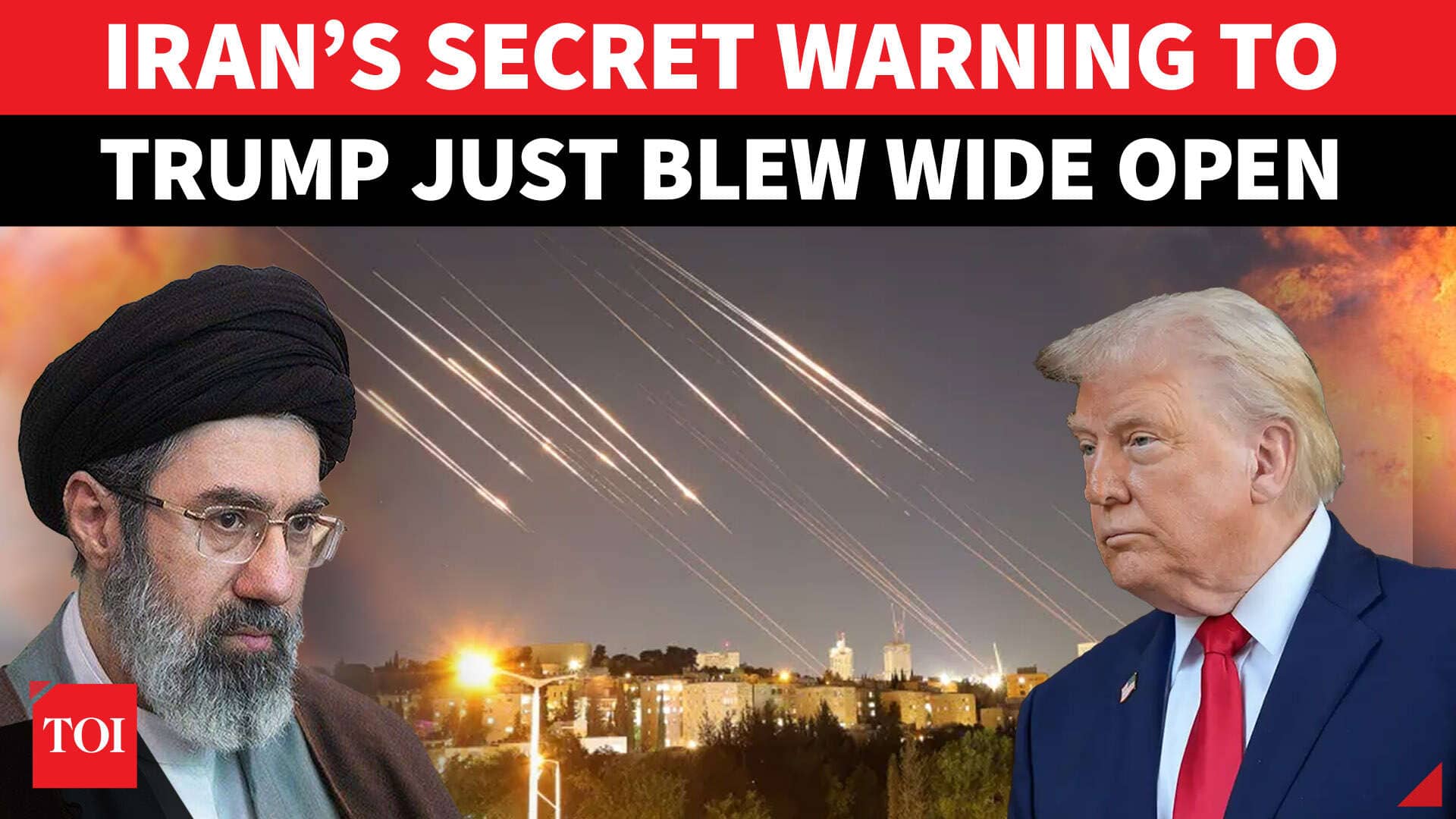

Iran's Security Chief Delivers Defiant Message Amid US Negotiations
As diplomatic efforts continue between Washington and Tehran, a notable message from Iran's security establishment has drawn attention. While officials from both the United States and Iran have publicly characterized ongoing talks as progressing, a contrasting and defiant statement has emerged from a key Iranian figure.
Mohammad Baqer Zolqadr, who serves as the head of Iran's Supreme National Security Council, delivered remarks indicating a firm stance. Zolqadr stated unequivocally that "retreat will not happen" and further asserted that "Americans and Zionists must become desperate." These comments underscore a hardline position emanating from Tehran's security apparatus amidst sensitive negotiations.
Context of Ongoing Discussions
The current discussions between the United States and Iran encompass a range of critical geopolitical issues. Key topics on the agenda include efforts aimed at ending existing conflicts, the potential reopening of the strategically vital Strait of Hormuz, and addressing concerns related to Iran's nuclear program. These areas represent significant points of contention and negotiation that have historically shaped the relationship between the two nations.
The Strait of Hormuz, a narrow waterway connecting the Persian Gulf to the open ocean, is particularly crucial. It is a major global chokepoint for oil transit, with a substantial portion of the world's seaborne oil passing through it daily. Its security and accessibility are paramount for international energy markets and regional stability. Discussions surrounding its "reopening" likely refer to ensuring unimpeded passage and de-escalating any potential threats to shipping.
Regarding Iran's nuclear program, the negotiations aim to find a pathway forward that addresses international concerns while respecting Iran's stated right to peaceful nuclear energy. This aspect of the talks often involves intricate technical details and robust verification mechanisms, building on past diplomatic efforts and agreements.
Iran's Stance on Timetable and Diplomatic Optimism
In addition to the substantive issues, Iran has also communicated its position on the pace of these diplomatic engagements. Iranian officials have indicated that there is currently no fixed timetable for finalizing any potential agreement with the United States. This suggests a deliberate approach to the negotiation process, potentially allowing for extended discussions without external pressure for a swift resolution.
The remarks from Mohammad Baqer Zolqadr, however, stand in stark contrast to the generally optimistic tone conveyed by diplomatic officials from both sides. Public statements from U.S. and Iranian negotiators have often highlighted progress and a constructive atmosphere in the talks. Zolqadr's assertion that "retreat will not happen" and that adversaries "must become desperate" introduces a layer of defiance that appears to diverge from the more conciliatory language typically associated with ongoing diplomatic efforts.
Discrepancy Between Rhetoric and Diplomacy
The divergence between the hardline rhetoric from a figure within Iran's security establishment and the public diplomatic optimism underscores a potential gap in perspectives within Tehran's political landscape. While diplomats engage in detailed discussions and express hope for resolution, the pronouncements from figures like Zolqadr suggest a continued emphasis on resilience and a firm negotiating posture from influential security circles.
This dynamic highlights the complexity of the negotiations, where the public face of diplomacy may be accompanied by strong internal messaging designed to project strength and unyielding resolve. The comments from the head of Iran's Supreme National Security Council serve as a reminder of the multifaceted considerations that shape Iran's foreign policy and its engagement with international powers.