


European Energy Shifts Create New Opportunities
The worsening global energy crisis triggered by the US-Israel war on Iran has prompted European countries to look across the Mediterranean for alternative energy supplies, trade routes, and partnerships. This shift has caused governments across North Africa to reassess their strategic value in the regional energy landscape.
Algeria holds a strong position as an established gas supplier, while Egypt offers infrastructure, refining capacity, and access through the Suez Canal. Libya’s strategic value has simultaneously increased due to its substantial resource base. The country possesses around 48 billion barrels of proven oil reserves, the largest in Africa, and produces 1.5 million barrels of oil per day.
Libya also possesses substantial natural gas reserves, with oil reaching international markets through the Mediterranean and the Greenstream gas pipeline connecting its Mellitah complex directly to Europe.
Domestic Inefficiencies Limit Export Potential
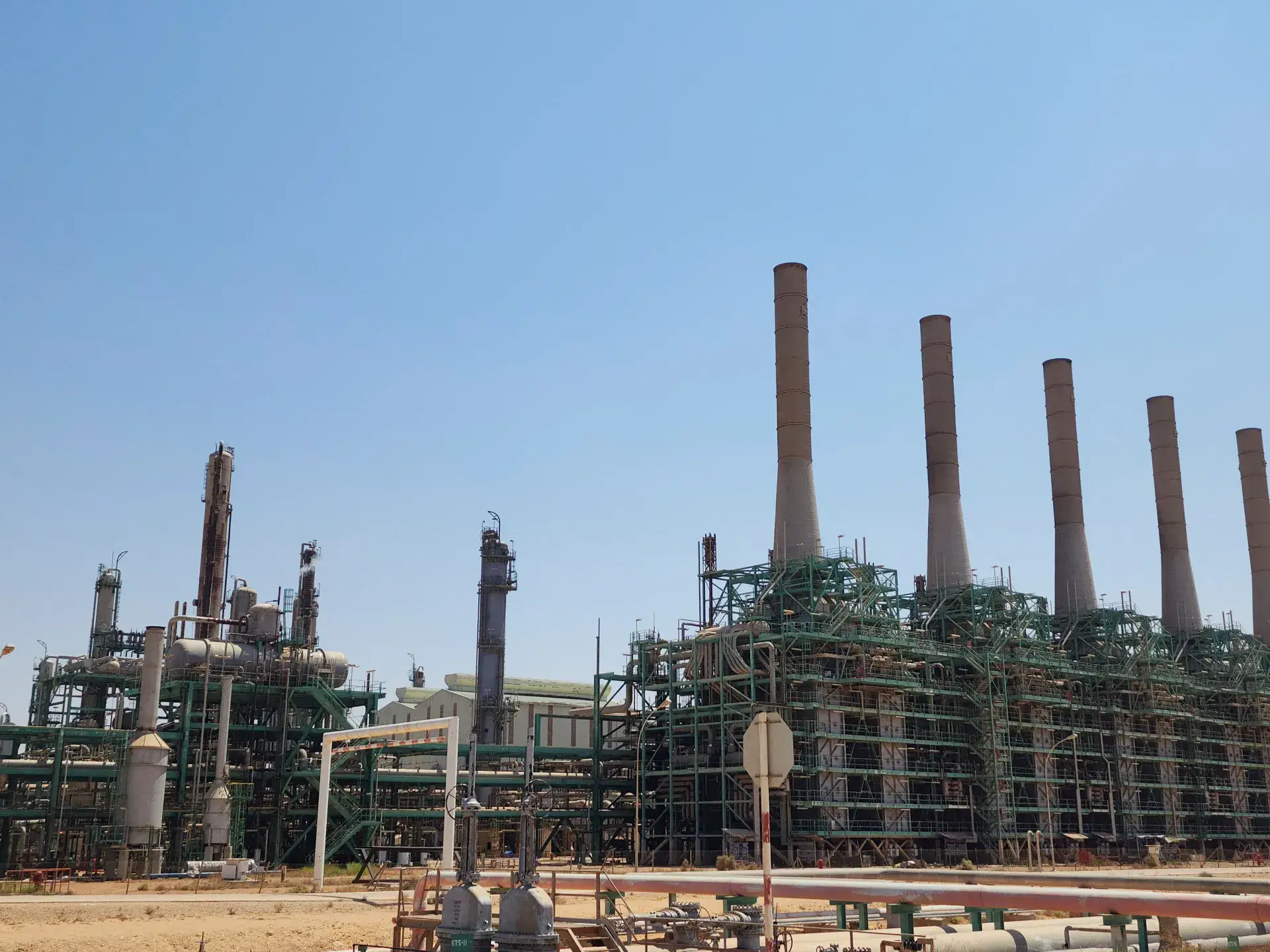
Despite its resource wealth, Libya is simultaneously a major energy exporter and an energy-insecure state. Libyans experience regular electricity blackouts due to an inefficient domestic energy system. More than 70 percent of Libyan gas production is consumed domestically for electricity generation, causing exports to fall from around 200 billion cubic feet in 2019 to 35 billion in 2025.
The country flares at least 200 billion cubic feet of gas annually due to underdeveloped infrastructure. The International Monetary Fund has estimated Libya’s total energy subsidy burden at around $17bn, equivalent to roughly 35 percent of GDP. Much of these subsidy funds go into subsidizing imported refined fuels because domestic refining capacity is largely underdeveloped and cannot meet demand.
The domestic energy situation is compounded by political fragmentation, institutional disputes, and periodic disruptions to production due to conflict.
Strategic Dilemma for Future Reform
An author writing for Al Jazeera stated that greater demand for Libyan oil and gas could reinforce the economic model of producing hydrocarbons, exporting them, and distributing revenues while postponing structural reform. The author pointed out during the 5th meeting of the Mediterranean Energy Experts Circle earlier this month that Libya must use proceeds to transform its energy system by capturing flared gas, modernizing electricity generation, expanding domestic refining, reforming subsidies, and investing in renewable energy.
Libya’s National Sustainable Energy Strategy aims to have 22 percent of electricity generation from renewable sources by 2035. To take full advantage of the current geopolitical moment, the country needs a new economic strategy that addresses these structural challenges.