

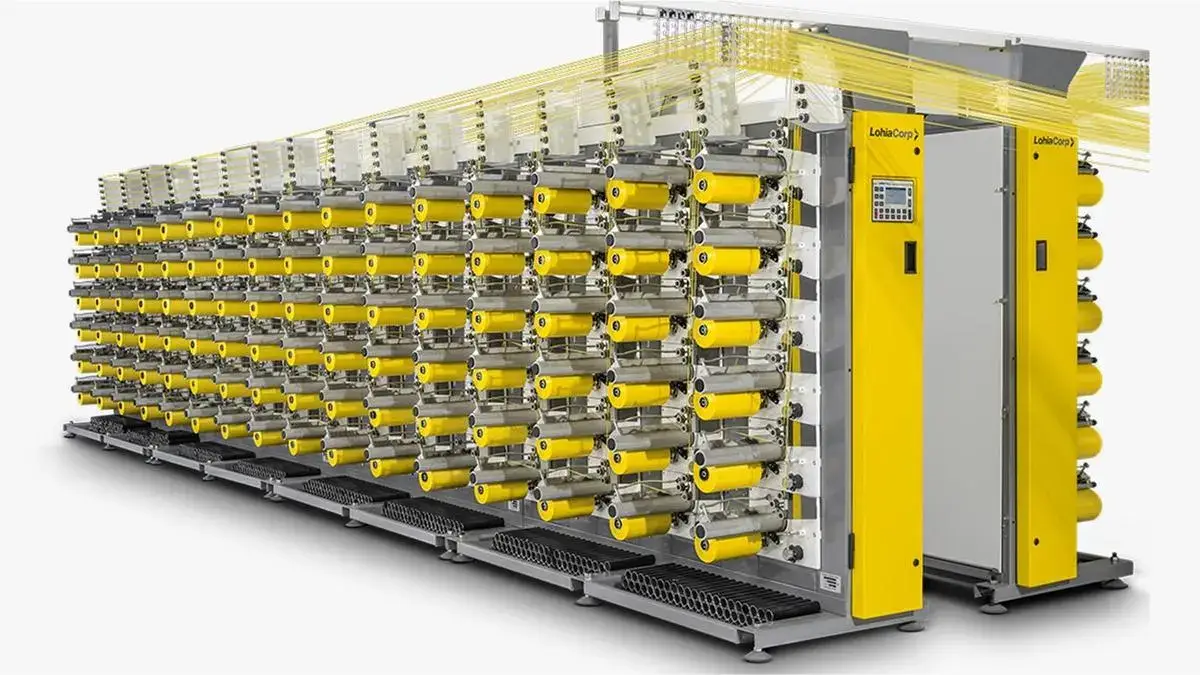

Evaluating Valuation Metrics for an IPO Subscription
Investors considering participation in Lohia Corporation's Initial Public Offering face a specific set of valuation metrics that define the potential attractiveness of the stock. According to Nishanth Gopalakrishnan, who authored the analysis published by The Hindu Business Line on July 25, 2026 at 09:59 PM, one primary factor drawing investor interest is Lohia Corp's low Price-to-Earnings multiple.
This cheap P/E multiple represents a potential attraction for investors seeking entry into the market. However, financial analysts and commentators note that this valuation metric does not exist in isolation. The decision to subscribe to the offering requires careful consideration of opposing factors that may influence long-term performance.
The article highlights that while the low multiple suggests value on paper, it is counterbalanced by structural elements within the company's business model. Specifically, the analysis points out a reliance on capital expenditure demand originating from end markets. This dependency creates an inherent cyclical nature to the revenue streams supporting Lohia Corp.
The interplay between these two distinct factors—the attractive entry price indicated by earnings multiples and the volatility introduced by market cycles—forms the core of the investment case presented in the report. The text suggests that a simple look at valuation ratios may provide an incomplete picture for potential shareholders.
The Trade-Off Between Valuation Attractiveness and Market Cyclicality
Reports indicate that Lohia Corp's cheap P/E multiple is offset by its exposure to cyclical end-market capex demand. This statement encapsulates the central tension identified in the fundamental analysis.
The term “capital expenditure” refers to funds used by a company to acquire, maintain, or improve physical assets such as property and plant. When this spending comes from end markets that are inherently cyclical, it introduces uncertainty into future cash flows regardless of the current valuation multiple.
According to the source text, investors must navigate these opposing factors before making a subscription decision. The analysis does not offer a definitive buy or sell recommendation but rather frames the investment thesis around this specific trade-off.
The Role of End-Market Capital Expenditure in Revenue Stability
Understanding the nature of Lohia Corp's revenue drivers is essential for interpreting its financial health. The research notes emphasize that the company’s exposure to cyclical end-market capex demand acts as a counterweight to its low valuation.
Cyclical markets are characterized by periods of expansion and contraction driven by economic conditions, consumer confidence, or industrial cycles. When Lohia Corp relies on these specific types of capital expenditure demands, the company’s performance becomes tied directly to broader macroeconomic fluctuations rather than purely organic growth.
The source material explicitly states that this reliance is a key variable in the investment equation. It suggests that while the stock may appear cheap relative to its earnings today, future returns could be heavily influenced by whether end-market demand for capital expenditure rises or falls during subsequent economic cycles.
Implications of Cyclical Exposure on Investment Strategy
The analysis published in The Hindu Business Line suggests that investors subscribing to the IPO must factor in this cyclical risk. There is no mention of specific hedging strategies employed by Lohia Corp or any diversification efforts within its portfolio, as these details are absent from the provided research notes.
Instead, the focus remains on the structural reality presented: a low Price-to-Earnings multiple coexists with high sensitivity to external economic cycles. This dynamic means that an investment decision based solely on valuation metrics might overlook significant operational risks associated with capital expenditure volatility.
The text advises careful consideration of these opposing factors. It implies that a comprehensive due diligence process would require looking beyond the headline P/E ratio to understand how Lohia Corp navigates periods where end-market capex demand contracts.
Market Context and Data Points Surrounding the Analysis
The publication date of July 25, 2026 places this analysis within a specific timeframe for investors evaluating current market conditions. At the time of reporting, broader market indices provided context for investor sentiment but were not directly linked to Lohia Corp’s fundamentals in the text.
Data available at the time showed the SENSEX trading at 76,059.77 with a decline of 331.62 points. The NIFTY index recorded a value of 23,767.45 and fell by 102.15 points. These figures reflect the broader market environment in which Lohia Corp’s IPO was being discussed.
Commodity prices also featured prominently in the surrounding data presented alongside the article. Crude oil prices were listed at 8,617.00 with a decrease of 407.00 points. Gold traded at 143,104.00 and saw an increase of 283.00 points.
Silver prices stood at 222,234.00, reflecting a gain of 2,859.00 points during the reporting period. While these specific commodity movements are reported as part of the source context, they serve to illustrate the volatile environment in which Lohia Corp operates.
The article does not explicitly link these macroeconomic data points directly to Lohia Corp’s financial statements or future projections beyond noting them as contemporaneous market conditions. The primary focus remains on the specific fundamental analysis of P/E multiples and capex cycles.