

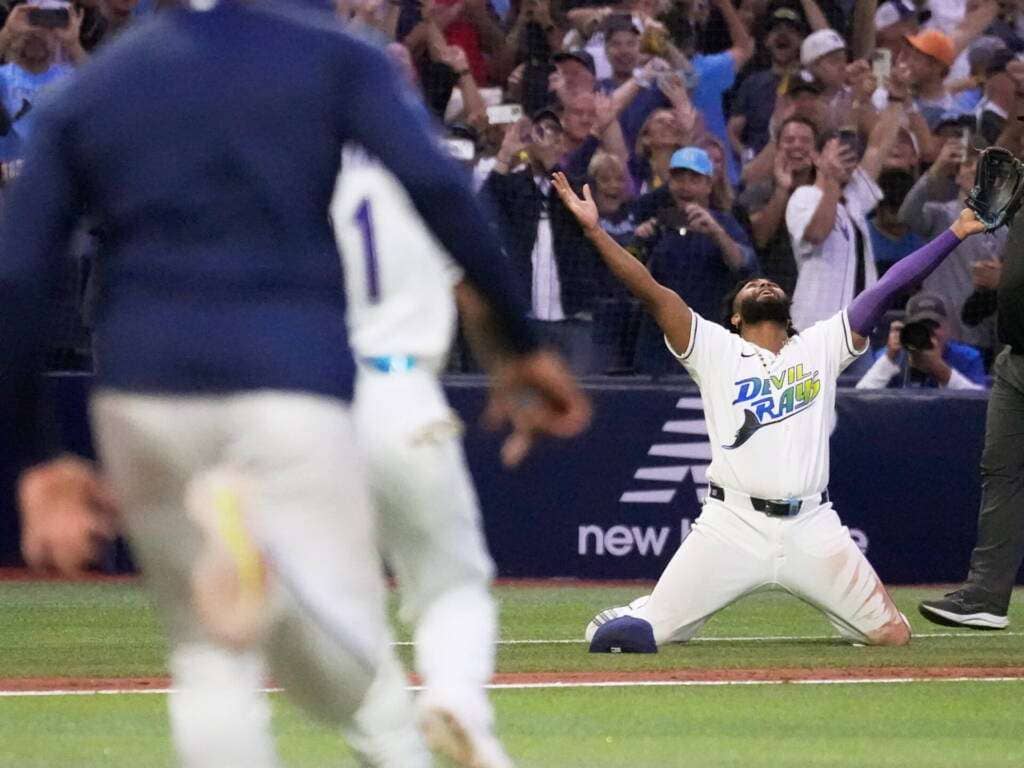

Brewers and Rays Reach World Series With Low Payrolls
The Milwaukee Brewers advanced to the World Series by sweeping the Los Angeles Dodgers in four games. The team holds the 19th-highest payroll in Major League Baseball.
Their opponent, the Tampa Bay Rays, ranks 25th in payroll. This matchup marks the first time since the 1991 Fall Classic that both league champions ranked in the bottom half of MLB in terms of payroll. In that previous instance, the Minnesota Twins, ranked 15th out of 26 teams, defeated the Atlanta Braves, who were ranked 19th.
The Cleveland Guardians also contributed to this trend, having advanced to the American League Championship Series with the smallest payroll in the Manfred era. The combined salaries of players on the Brewers, Guardians, and Rays are lower than those of the Dodgers, New York Mets, and New York Yankees.
Owners Cite Low-Cost Success to Resist Spending
The postseason success of these low-budget teams is influencing financial strategies across the league. According to Foul Territory, two general managers stated that owners are using the achievements of Milwaukee, Cleveland, and Tampa Bay to justify keeping payrolls low.
Owners are arguing there is no reason to increase spending if these teams can succeed with limited resources. Jim Bowden, speaking on Foul Territory, stated that several team owners are using the postseason runs of Milwaukee, Cleveland, and Tampa Bay to argue that significant spending is not necessary to contend for major honors.
This dynamic suggests that small-market success in the postseason might cause owners to spend even less without a potential salary floor. The situation has reignited the debate over a potential salary cap and floor, which is identified as the main issue in upcoming collective bargaining agreement negotiations.
Union Pushes Back Against Cap Arguments
The players' union is expected to counter the owners' stance during negotiations. Jim Bowden stated that the union will argue that smart player development and internal management can overcome financial disparities.
This argument provides evidence for the union's position that there will not be a salary cap implemented in the next agreement.