

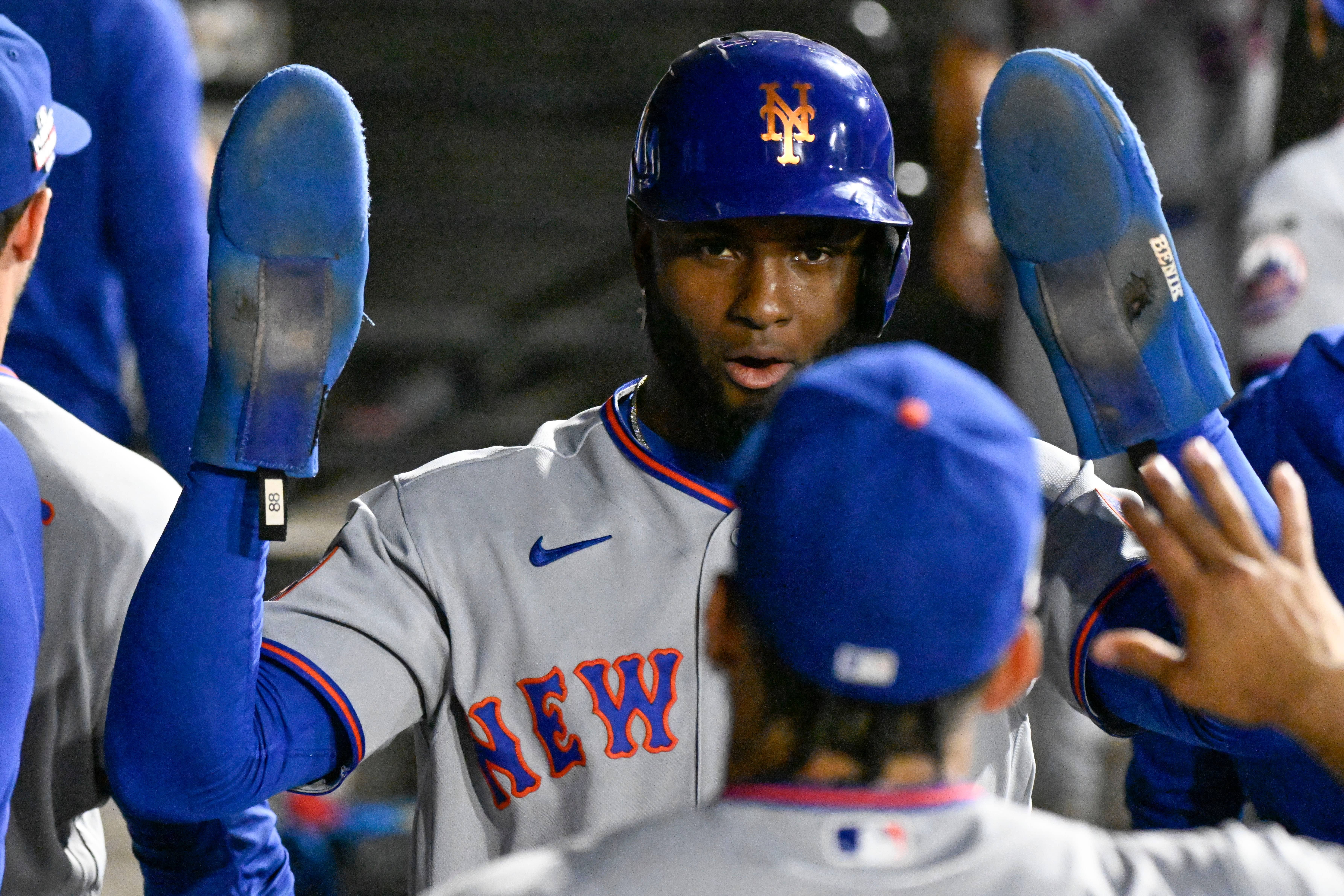

Robert Jr. Makes Return to Chicago Stadium
New York Mets outfielder Luis Robert Jr. returned to Chicago on Friday to face the team from which he departed, reuniting with a franchise that has undergone substantial changes in its competitive standing since his exit. The game marked Robert Jr.'s first appearance against the White Sox as a member of the Mets, creating a distinct narrative shift for both the player and the organization.
Robert Jr., who spent several seasons with the South Side club before joining New York, took the field in Chicago under different circumstances than those that characterized his tenure with the White Sox. His presence on the opposing roster highlights the transition from his time as a central figure in Chicago to his current role with the Mets.
The matchup was scheduled for Friday, bringing Robert Jr. back to the city where he previously established himself in Major League Baseball. For the Mets, the game represented another step in their season against a familiar opponent, while for Robert Jr., it served as a return to the stadium that hosted his earlier professional career.
White Sox Lead AL Central With Playoff Hopes
The atmosphere surrounding the White Sox has shifted dramatically since Robert Jr.'s departure from the organization. During his time with the team, the franchise was often described in media reports as a source of disappointment, frequently serving as a "punchline" in recent seasons due to its struggles on the field.
However, at the time of Robert Jr.'s return, the White Sox had transformed into the first-place team in the American League Central division. This position marked a stark contrast to the team's previous standing and suggested a potential playoff berth for the organization.
The White Sox were firmly in position to bring "rare October baseball" to the South Side of Chicago. The team's current success in the standings stood in direct opposition to the narrative that had defined their recent history, indicating a successful rebuild or turnaround under new management and roster composition.
Contrasting Narratives Between Departure and Return
The divergence between the White Sox's status during Robert Jr.'s tenure and his return illustrates the volatility of professional sports franchises. When Robert Jr. was with the team, the club was not in contention for postseason play. Now, as an opposing player, he faces a squad that is leading its division.
Media coverage of the event highlighted this juxtaposition. The New York Post reported on the change in vibe around the White Sox, noting that the team had moved from being a "punchline" to a legitimate contender. This shift underscores the rapid changes possible within a single MLB season and franchise history.
Implications for the Mets and White Sox Roster
For the New York Mets, facing Robert Jr.'s former team adds a layer of personal interest to the game, though the primary focus remains on the competitive outcome. The Mets must navigate their schedule against a White Sox team that is playing with heightened confidence and momentum as division leaders.
Conversely, the White Sox view Robert Jr.'s return as an opportunity to test themselves against a former star who has found success elsewhere. The team's current first-place status in the AL Central provides them with home-field advantage and playoff implications that were absent during Robert Jr.'s time in Chicago.
The game serves as a checkpoint for both organizations. For the White Sox, it is a chance to validate their ascent to the top of the division. For the Mets, it is a standard regular-season contest against a rival that has reinvented its identity since losing one of its most prominent players.
Historical Context of Robert Jr.'s Tenure
Robert Jr.'s departure from the White Sox was a significant event in Chicago sports, given his status as a high-profile player. His time with the team was marked by expectations of excellence that the franchise struggled to meet collectively during those years.
The current success of the White Sox suggests that the roster changes made after Robert Jr.'s exit have yielded positive results. The team's ability to reach first place in the AL Central demonstrates a complete reversal of fortunes from the era when they were frequently criticized for their performance.
As Robert Jr. steps onto the field in Chicago, the contrast between his past role as a White Sox player and his current role as a Met is palpable. The team he once helped carry is now carrying itself to the forefront of the American League, a development that has altered the landscape of baseball in Chicago.