


Machado Returns to Earthquake Zones Amidst Political Uncertainty
Venezuelan opposition leader María Corina Machado toured the San Bernardino district of Caracas on Sunday, 8 November 2026, meeting with families affected by the devastating earthquakes that struck the country earlier this year. The visit marks a significant moment in her political re-emergence, as she seeks to reconnect with constituents in areas heavily impacted by natural disaster and subsequent government response challenges.
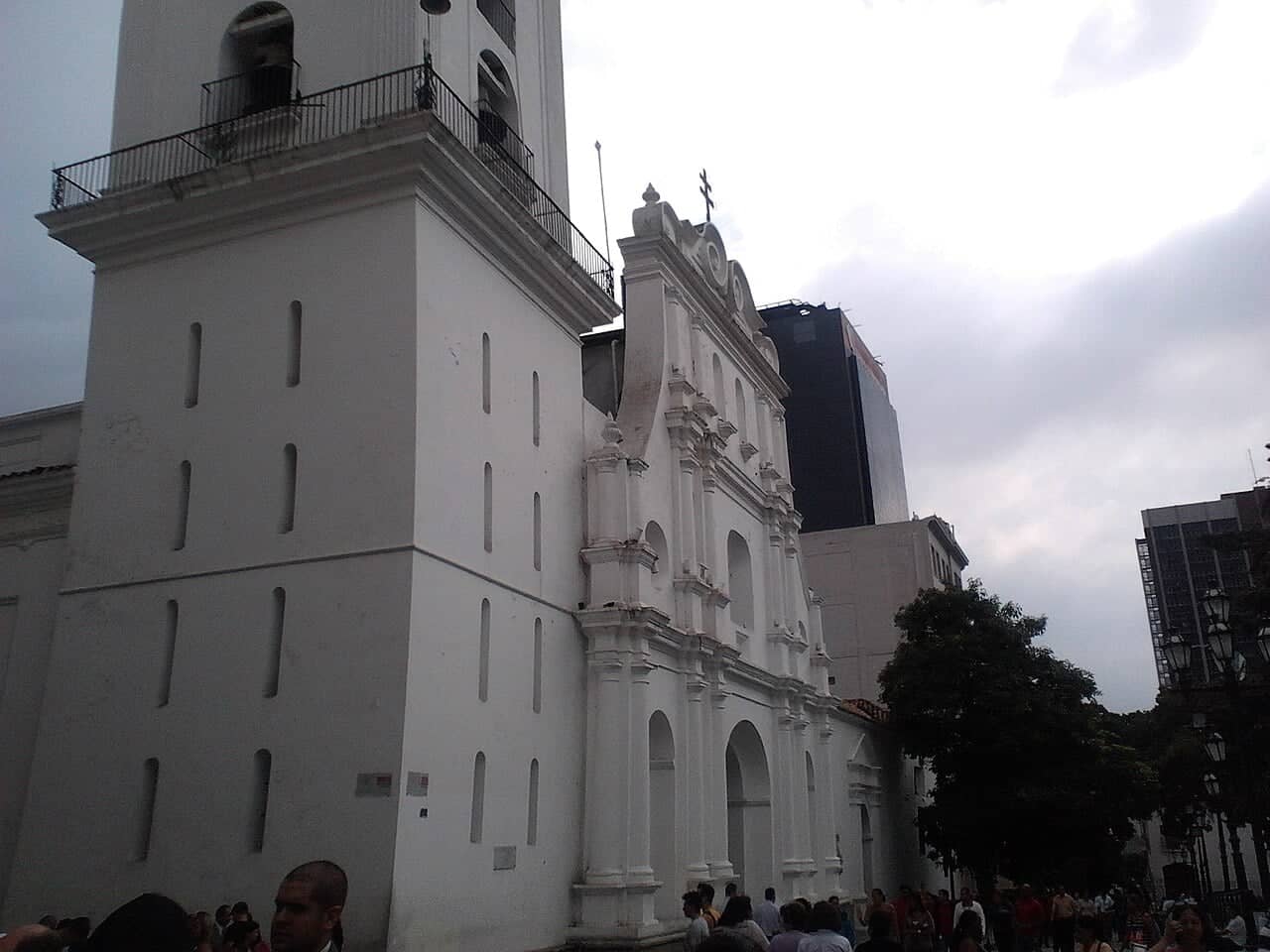
Machado’s presence in San Bernardino was not merely symbolic; it was an opportunity to witness firsthand the lingering effects of the seismic events that reshaped the region. Her party, Vente Venezuela, confirmed that Machado spent time hearing families describe their losses and attended prayers at the local San Bernardino de Siena church. This engagement with religious and community spaces underscores the opposition leader's strategy of grounding her political narrative in shared suffering and spiritual resilience.
The Human Cost of the June Quakes
The context for Machado’s tour is grim. Official figures cite 6,509 deaths from the double earthquake that struck Venezuela on 24 June 2026. The seismic activity, with magnitudes of 7.2 and 7.5, caused widespread destruction across the northern coast, with La Guaira, a coastal state next to Caracas, among the worst-hit areas.
For many residents in San Bernardino and surrounding districts, the memory of those June tremors remains fresh. The infrastructure damage, loss of life, and displacement have created a complex humanitarian landscape that the opposition has sought to highlight as part of its critique of the current administration. Machado’s visit serves to keep these issues in the public eye, contrasting her active engagement with what she portrays as governmental neglect.
A Calculated Political Return
Machado’s tour comes just two weeks after she returned to Venezuela on 25 October 2026. Her return was a pivotal moment in Venezuelan politics, signaling a potential shift in the opposition’s strategy and her own political trajectory. By visiting San Bernardino so soon after her arrival, Machado is demonstrating her commitment to addressing immediate crises while laying the groundwork for longer-term political mobilization.
The timing of her visit is particularly notable given the current political climate. Venezuela ranks 12th of 14 in The Rio Times Latin America Power Index, with 29.4 points in the November 2026 edition. This low ranking reflects the country’s ongoing economic and political instability, which has been exacerbated by the natural disasters and the government’s handling of them.
International Perception and Market Indicators
The international community’s view of Machado’s potential role in Venezuelan politics is reflected in various market indicators. As of 8 November at 5:27 p.m. ET, Polymarket showed about a 2% probability for "U.S. recognizes Machado as leader of Venezuela by December 31," with about US$203,000 traded on the outcome. While this probability is low, it indicates that some international observers and investors are considering the possibility of a political shift in Venezuela.
However, the path to such a recognition remains fraught with obstacles. The current government has shown little willingness to cede power, and Machado’s return has been met with both support from opposition groups and scrutiny from state media. It is not known what Machado will do next or whether the government will respond to her visit in any formal capacity.
Looking Ahead
As Machado continues her tour, the focus remains on how she will leverage this visibility to strengthen her political position. Her visits to earthquake zones like San Bernardino provide a platform to discuss reconstruction efforts, accountability, and the need for international aid. Whether these efforts translate into tangible political gains remains to be seen.
The opposition leader’s ability to navigate the complex landscape of Venezuelan politics, combined with the ongoing humanitarian challenges posed by the June earthquakes, will likely determine her influence in the months ahead. For now, Machado’s presence in San Bernardino serves as a reminder of the human cost of political and natural crises, and the enduring hope for change among those affected.