


The Architecture of a New Alliance
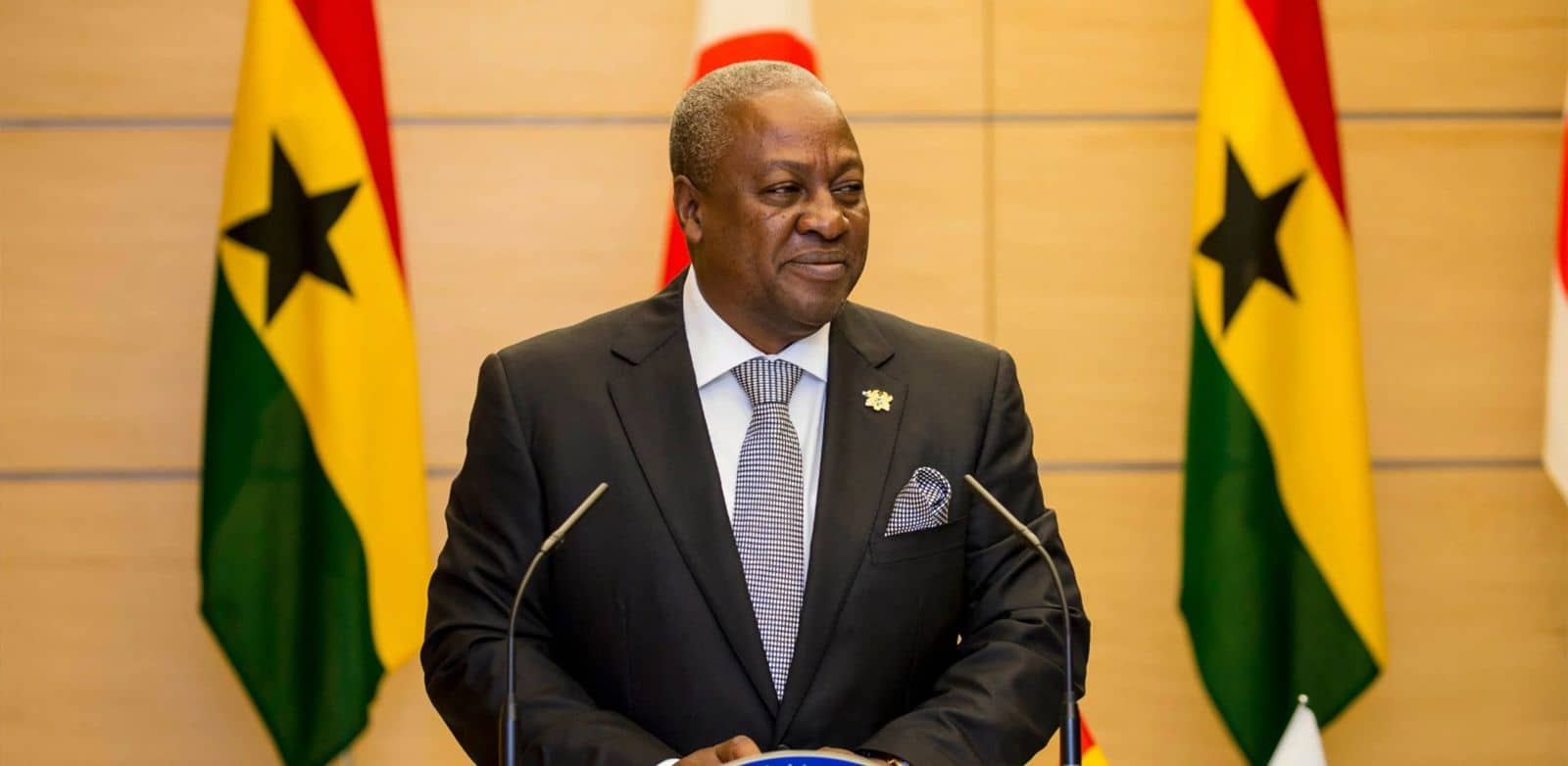
Nearly two years into his term, President John Mahama is taking deliberate steps to position Ghana within a mutating geopolitical space. This strategic pivot was foreshadowed in his inaugural speech following his swearing-in, where he highlighted significant changes in international affairs and outlined Ghana's potential place within them. The move signals a shift toward engaging with emerging power blocs that are reshaping global dynamics.
At the center of this realignment is BRICS, an international organization currently made up of eleven countries. The name BRICS is an acronym formed from the first letters of its founding nations: Brazil, Russia, India, China, and South Africa. The term itself has historical roots in economic analysis; economist Jim O'Neill is credited with coining the original acronym 'BRIC' in a 2001 article focused on emerging economies, before the group evolved into the broader coalition it is today.
The organization's core agenda focuses on facilitating trade among member nations and partner countries. A central pillar of this economic strategy involves combating the dominance of the U.S. dollar in the international financial architecture, seeking to create alternative mechanisms for global commerce. Over time, BRICS has moved beyond its strictly economic-focused mandate to embrace 'non-controversial' issues such as climate change and the fight against terrorism, broadening its scope as a multilateral body.
Strategic Calculus in a Polarized World
Ghana's pursuit of membership is not merely an economic decision but one with profound geopolitical weight. Any country applying to become a member of BRICS is widely deemed to be taking a firm geopolitical stance against the West, particularly the United States of America. This perception stems from the fact that Russia and China are regarded as adversaries of the U.S., creating a clear divide in global alliances.
By seeking to join an organization that includes China—a nation rivaling the U.S. in economic and technological might—and Russia, with which the U.S. engaged in a Cold War, Ghana is navigating complex diplomatic waters. The situation is further complicated by the inclusion of Iran, which became a full member of BRICS in 2024 and is currently at war with the United States.
The context for this alignment is heightened by recent actions from the current occupant of the Oval Office, who has threatened genocide multiple times and abducted the president of another country. These aggressive postures contribute to the environment in which Ghana is evaluating its foreign policy options, balancing sovereignty against traditional Western partnerships.
Sovereignty and Continued Diplomatic Engagement
Despite the apparent friction with Washington, Ghana’s decision to join BRICS does not mean it seeks to sever its relations with the U.S. and other major powers in the West. As a sovereign country, Ghana is free to join whichever organization it pleases, exercising its right to diversify its international partnerships without abandoning existing ties.
This approach allows Accra to maintain pragmatic relationships across ideological lines. For instance, while navigating the complexities of joining a bloc that includes U.S. adversaries, Ghana continues to engage with China on various fronts. The country's strategy reflects a desire to maximize its global role by engaging with multiple power centers rather than aligning exclusively with one, ensuring that its foreign policy remains flexible and responsive to changing international realities.