


Allegations of Institutional Overreach and Political Timing
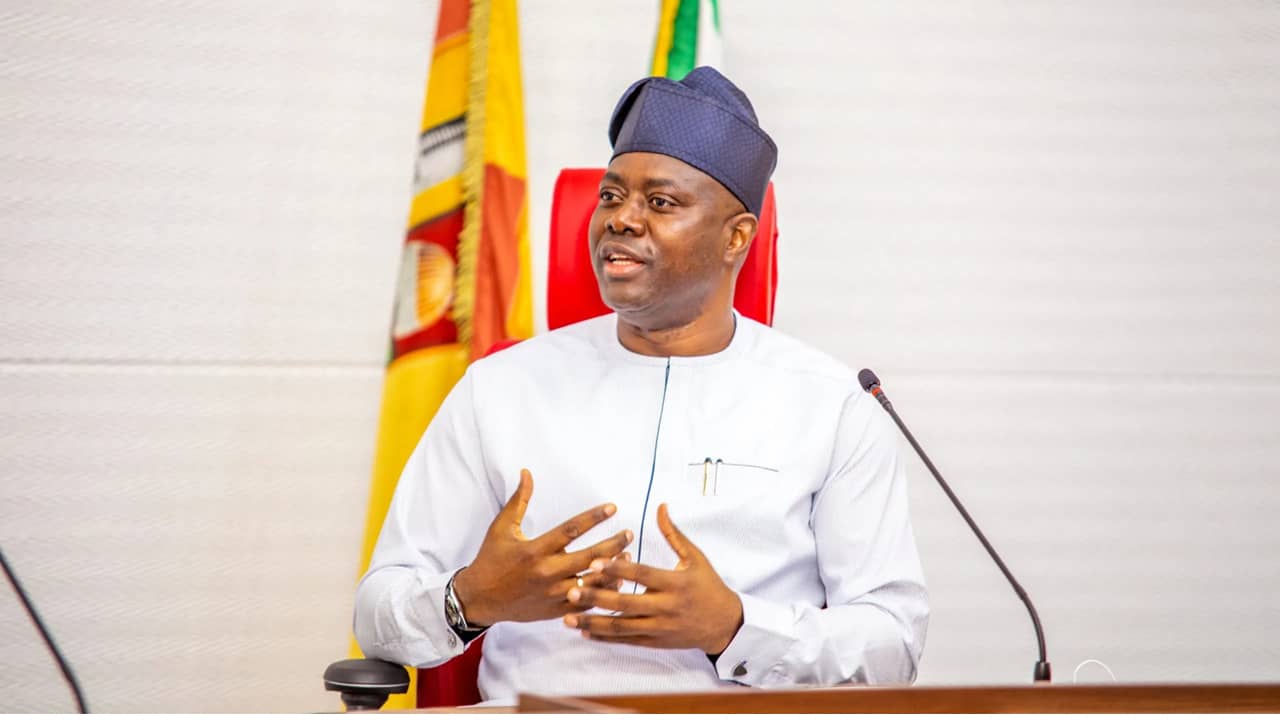
Oyo State Governor Seyi Makinde has issued a strong condemnation regarding the reported freezing of Osun State Government accounts, characterizing the move as a clear abuse of federal institutions. In a statement released on Thursday, Makinde asserted that the action represents an inappropriate use of state agencies for political purposes, warning against such interference in the governance of other states. His remarks underscore a growing concern among state leaders about the perceived weaponization of federal bodies against sub-national entities.
Central to Makinde’s criticism was his assertion that the Economic and Financial Crimes Commission (EFCC) exceeded its legal authority. He stated that the commission overstepped its legal mandate by freezing an official state government account without following due legal process. According to the governor, the action taken against the Osun State account fell outside the powers vested in the EFCC by existing laws, suggesting a fundamental disregard for established legal frameworks governing financial oversight.
Disputed Legal Authority of the EFCC
Governor Makinde specifically challenged the procedural legality of the EFCC's actions. He emphasized that the freezing of an official state government account requires strict adherence to legal protocols, which he believes were not followed in this instance. "The ‘freezing’ of an official state government account without due legal process goes beyond the powers vested in the EFCC by the laws of our land," Makinde said in his statement. His comments highlight a significant dispute over the scope of the anti-graft agency's jurisdiction, particularly when it pertains to the finances of sovereign state governments within a federal system.
The governor's stance implies that such a move, without proper judicial authorization or a clear legal basis, constitutes an overreach that could set a dangerous precedent. It raises questions about the checks and balances intended to prevent federal agencies from arbitrarily interfering with state financial operations, which are crucial for the smooth functioning of governance and service delivery at the state level.
Concerns Over Electoral Interference and Democratic Trust
Makinde linked the timing of the financial freeze to the upcoming political calendar in Osun State. He noted that the action occurred just ahead of the Osun State governorship election, raising significant concerns about potential political motivation behind the decision. This timing, according to Makinde, is not coincidental but rather a calculated move designed to achieve political ends.
The Oyo State governor stated unequivocally that the timing of the action suggests it is an attempt by the federal government to unduly influence the forthcoming governorship election in Osun State. By connecting the administrative action to the electoral timeline, Makinde implied that the freeze was not solely a matter of financial compliance but part of a broader political strategy aimed at destabilizing the state government or impacting voter perception in the run-up to the polls.
Targeting Opposition-Controlled States
He further accused the federal government of utilizing federal institutions to target states controlled by opposition parties. This allegation points to a pattern of behavior where federal agencies, ostensibly independent, are perceived as being used as instruments of political pressure against dissenting voices or rival political camps. Makinde warned that such actions undermine public confidence in democratic institutions, suggesting that the perceived bias could erode trust in the fairness of both state and federal governance structures.
The governor's warning highlights a critical issue in federal-state relations within Nigeria, where the independence of federal agencies is frequently scrutinized. When federal institutions are seen to act with political motivations, particularly against opposition-led states, it can foster a climate of distrust, diminish the credibility of these bodies, and ultimately weaken the democratic fabric by suggesting that political affiliation, rather than legal compliance, dictates their actions.
Upholding the Rule of Law in Federal Governance
In response to the situation, Governor Makinde called for the rule of law to prevail over political influence. He emphasized the paramount need for adherence to legal processes and the proper functioning of democratic institutions without external political pressure. His statement served as a direct challenge to the federal government’s handling of the matter, urging a return to strictly legal frameworks rather than politically motivated actions that could compromise institutional integrity.
The governor’s remarks come at a critical juncture for Nigerian politics, as tensions between state governments and the federal center often escalate during election periods. By framing the issue as one of institutional abuse and political targeting, Makinde has drawn attention to the perceived vulnerability of opposition-held states to federal pressure, advocating for a system where legal principles, not political expediency, guide governmental actions.
Implications for Inter-Governmental Relations
The controversy highlights ongoing tensions regarding the independence of federal agencies and their interactions with state governments. Makinde’s allegations suggest a pattern where federal bodies are used as tools for political leverage against states governed by parties other than those in power at the federal level. This dynamic can strain inter-governmental relations, leading to a breakdown in cooperation and an increase in political animosity, which ultimately affects governance and public service delivery across the nation.
The Oyo State Governor’s stance underscores the importance of legal due process in financial matters involving state governments and serves as a warning against the politicization of regulatory bodies. As the Osun State governorship election approaches, the situation remains a focal point for discussions on electoral integrity and institutional neutrality, with calls for all parties to respect the foundational principles of democracy and the rule of law.