

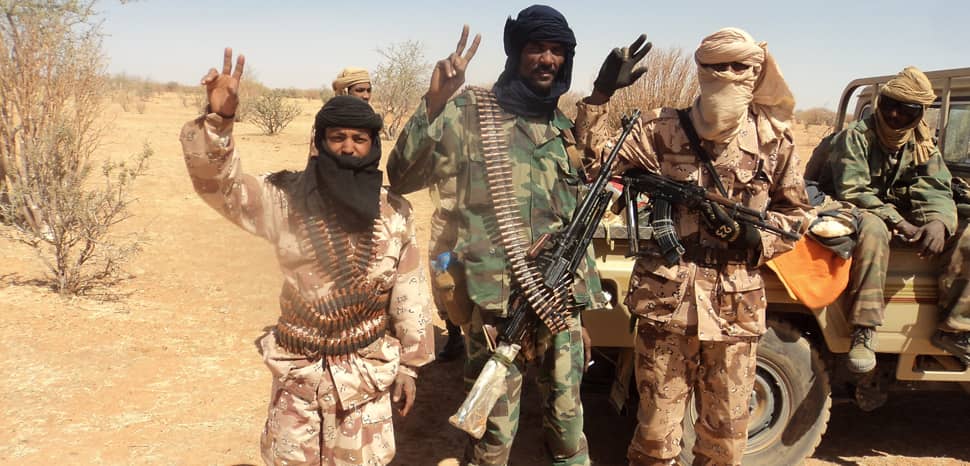

Displacement and Humanitarian Crisis in Central Mali
Violent militias in Mali are driving hundreds of thousands of people from their homes, a surge that is destabilizing the political climate and swelling migration flows throughout the region. According to the Geopolitical Monitor, 200,000 people have been forced from their homes since January, a figure that represents six times the number of displacements recorded during the same period last year.
The clashes are exacerbating an existing humanitarian crisis within the country. More than 550,000 people in Mali currently lack food and basic hygiene supplies. The outlook for the situation is expected to deteriorate in the short term as weak state institutions struggle to contain escalating violence between various well-armed groups.
Some of these armed groups maintain links to trans-national criminal and terrorist networks. The forces driving this violence include long-term climate change and competition for land and water resources, factors that are unlikely to disappear soon.
Ethnic Conflict Replaces Northern Insurgency
The geography of the conflict in Mali has shifted significantly. Violence is now unfolding in central Mali rather than the northern regions where previous major insurgencies were concentrated. The fighting involves two specific ethnic groups: Dogon sedentary farmers who follow animist traditions and Fulani nomadic pastoralists who are mostly of the Islamic faith.
Armed militias have arisen on both sides due to anarchy, conflict, land pressures, and rampant weapons stockpiling. These militias perpetrated most of the violence in early 2019.
Government Failure and Unimplemented Peace Accords
The central government has failed to assert its authority beyond the cities and in the northern regions. It remains under-financed and lacks the necessary resources to reign in the escalating violence. The government is still attempting to resolve the civil war that began in 2012, during which Islamic and Tuareg militias took control of large swathes of the north.
A recent report from the Carter Center found that most peace accords ending the 2012 conflict remain unimplemented. The inability to enforce these agreements contributes to the current instability in the central regions.