

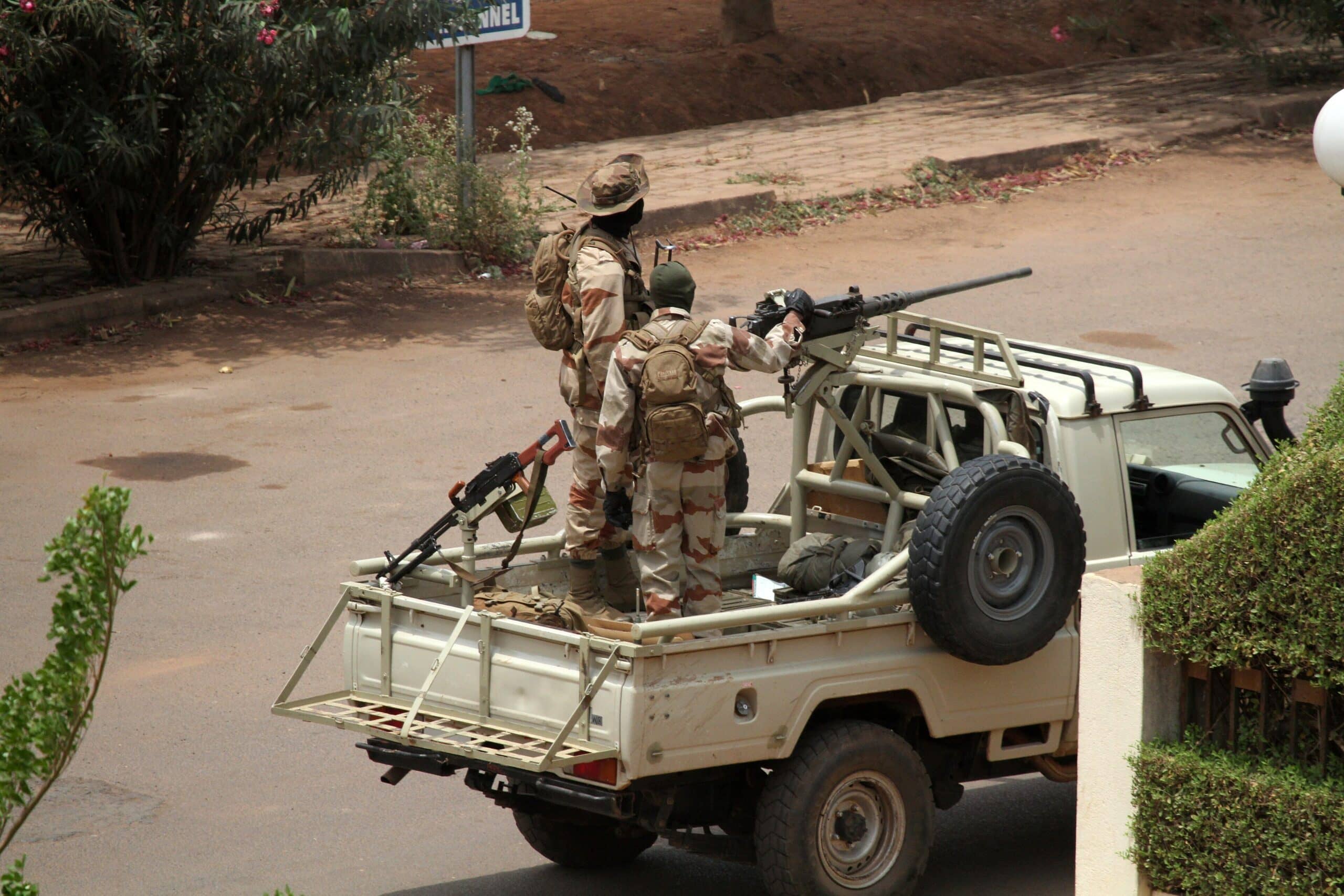

Coordinated Rebel Movement Targets Multiple Regions
Tuareg separatists and members of al-Qaeda-linked JNIM launched a coordinated military offensive in Mali on July 4. This event is described by reports as the widest rebel offensive Mali has experienced since 2012.
The attacks were not isolated incidents but part of a broader campaign that struck multiple towns across the nation's territory. The scope of this operation extended from the northern town of Gao to areas situated near Bamako, which serves as the capital city of Mali.
Scope and Timing of the July 4 Offensive
The offensive began on July 4, a date explicitly cited in reporting regarding the start of this specific wave of violence. The movement involved groups previously associated with Tuareg separatist causes as well as JNIM.
JNIM is identified in source material as being linked to al-Qaeda. This designation places the group within a network that has historically operated across West Africa, engaging in insurgent activities against state forces and civilian populations.
Geographic Reach of the Attacks
The geographic footprint of this offensive was extensive compared to previous incidents since 2012. The attacks targeted towns ranging from Gao to areas near Bamako. This trajectory suggests a strategic intent to operate across significant distances within the country.
Gao, located in northern Mali, has been a focal point for various insurgent groups over recent years due to its proximity to borders and historical conflict dynamics. The inclusion of this location indicates that the offensive drew upon resources or logistical networks established in the north.
Implications for National Security
The extension of attacks toward areas near Bamako raises questions regarding the operational capabilities of rebel groups. Reaching proximity to the capital implies a level of mobility and coordination among insurgents that may challenge existing security frameworks.
The description of this event as the widest offensive since 2012 suggests a comparison with historical benchmarks for large-scale insurgent activity in Mali. The year 2012 marks a significant turning point in Malian history, associated with political instability and military coups that followed initial rebel advances.
Context of Historical Insurgency
The reference to the period since 2012 provides necessary context for understanding the magnitude of the current offensive. The year 2012 is frequently cited in geopolitical analysis regarding Mali as a watershed moment involving Tuareg separatist movements and subsequent jihadist insurgencies.
Comparing the July 4 attacks to events from that era allows analysts to categorize this specific campaign within a longer timeline of conflict evolution. The terminology used, such as 'widest offensive', relies on established metrics for measuring rebel activity intensity and territorial coverage.
Tuareg Separatist Involvement
The involvement of Tuareg separatists in this specific campaign highlights the persistence of ethnic-based political grievances alongside religiously motivated insurgency. These groups have historically sought greater autonomy or independence for northern regions inhabited by Tuareg populations.
Allegations regarding al-Qaeda links attached to JNIM provide a layer of complexity to the conflict dynamics. Such affiliations often bring international attention and can influence diplomatic responses from neighboring states and global security organizations.
Operational Dynamics
The simultaneous nature of attacks across different towns suggests pre-planning and resource sharing between disparate groups or factions within the rebel coalition. This operational synergy is a critical factor in assessing the threat level posed by these insurgents to state authority.
Moving from Gao toward Bamako requires overcoming significant logistical hurdles, including distance, terrain challenges, and potential interception points controlled by government forces. The success of such an advance would depend on local support or lack thereof among civilian populations along the route.
Strategic Objectives
The choice to target towns near Bamako may indicate objectives related to destabilizing central authority rather than solely territorial control in border regions. Attacks directed at areas surrounding a capital often aim to disrupt administrative functions or create psychological pressure on leadership structures.
While specific strategic goals were not detailed beyond the description of an offensive, the pattern of targeting suggests an intent to demonstrate capability and resilience against state suppression efforts. This aligns with historical behaviors observed in similar insurgent campaigns where demonstrating strength serves as a political tool.