


Widespread Demonstrations Block Major Arteries
Demonstrations have erupted across several major Syrian cities following a significant increase in fuel costs imposed by the government. The unrest represents the largest public mobilization in the country since Bashar al-Assad was overthrown nearly two years ago, according to reports from B92 News.
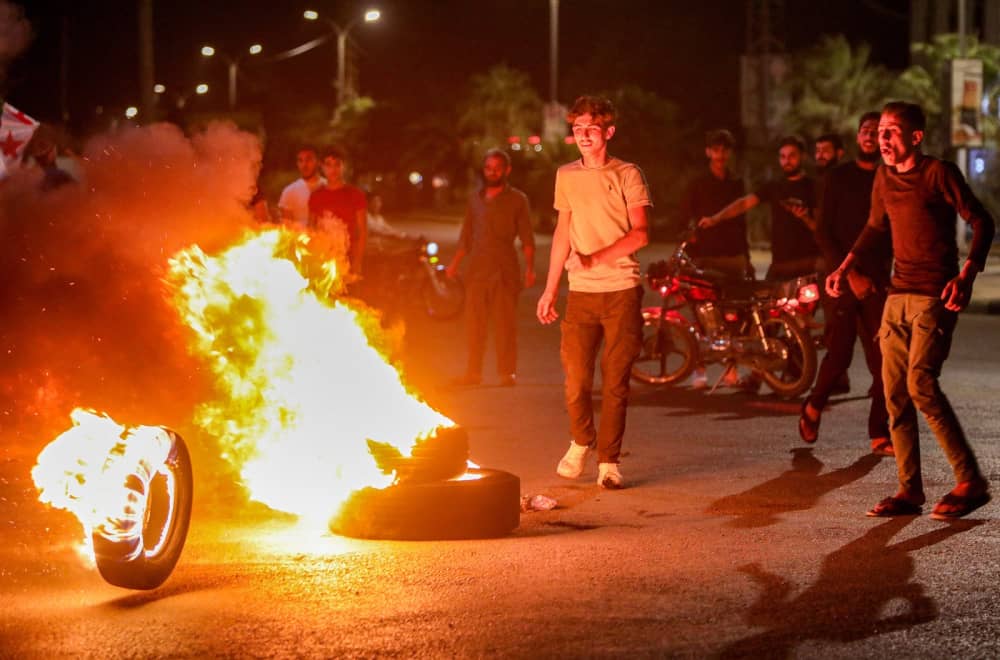
Protesters in Aleppo, Raqqa, Deir ez-Zor, Hasakah, and Idlib have taken to the streets to express anger over the sudden economic measures. In response to the price hikes, demonstrators burned tires and blocked major roadways throughout the affected regions.
Among the most significant disruptions was the closure of the highway connecting the capital, Damascus, with the industrial hub of Aleppo. The blocking of this critical transport route highlights the geographic spread of the unrest and its potential impact on regional logistics.
Government Announces Specific Price Increases
The Syrian government officially raised the price of diesel by 40 percent on Saturday. The new rate for diesel stands at 175 Syrian pounds per liter, which is equivalent to 2.24 KM per liter, according to the source material.
In addition to the diesel adjustment, the government implemented increases across other fuel categories as part of what is described as the largest of several price increases introduced since the beginning of the war with Iran. Household and industrial gas prices were raised by nine percent.
The cost of 95-octane gasoline increased by 28 percent, while the price of 90-octane gasoline rose by 26 percent. These adjustments were implemented over the weekend, sparking immediate public reaction in urban centers across the nation.
Impact on Transport and Goods
The sharp rise in fuel costs has led to soaring expenses for transport and goods within Syria. Protesters cited these escalating costs as a primary driver for their mobilization. The increase in diesel prices, which is critical for commercial trucking and public transportation, has intensified pressure on the supply chain.
Economic Crisis Deepens for Population
The fuel price hikes have further intensified the economic pressure on Syrians who are already grappling with a prolonged crisis. The United Nations Development Programme estimates that 90 percent of Syrians currently live below the poverty line.
This figure represents a dramatic shift from the period before the Syrian civil war began in 2011, when approximately one-third of the population lived below the poverty line. The current economic indicators underscore the severity of the financial challenges facing the majority of the citizenry.
The combination of high fuel costs and widespread poverty has created a volatile environment for public order. The unrest observed in Aleppo, Raqqa, Deir ez-Zor, Hasakah, and Idlib reflects the immediate reaction to these financial burdens.
Regional Scope of Unrest
The demonstrations are not isolated to a single locality but have spread across multiple governorates. Cities such as Aleppo and Damascus have seen significant activity, with roads blocked and tires burned in protest.
The involvement of industrial hubs like Aleppo suggests that the economic impact is being felt acutely by workers and businesses dependent on affordable fuel for operations. The unrest in Idlib and Hasakah indicates that the dissatisfaction extends beyond the central regions of the country.
Reports indicate that several protesters were reportedly involved in the clashes, though specific details regarding injuries or arrests were not fully detailed in the source text provided. The primary focus of the reports remains on the scale of the protests and the specific government actions that triggered them.
Historical Context of Recent Unrest
The current demonstrations are noted as the largest in the country since the overthrow of Bashar al-Assad nearly two years ago. This timeline places the unrest in a specific post-conflict period, where economic stability remains a fragile issue for the population.
The government's decision to raise prices comes amid a broader context of economic strain. The war with Iran is cited in the source as a backdrop to the series of price increases introduced since its beginning, suggesting that external conflicts have contributed to internal economic policies.
The United Nations Development Programme's data on poverty levels provides a statistical baseline for understanding the public's reaction. With 90 percent of the population living below the poverty line, even small increases in essential costs like fuel can trigger significant public dissent.
Current Status of Protests
As of the reporting date, protests continue to spread across the identified cities. The blocking of major roads, including the Damascus-Aleppo highway, remains a key tactic used by demonstrators to disrupt normal economic activity and draw attention to their grievances.
The situation remains fluid as anger grows over the soaring costs of transport and goods. The government's specific price adjustments for diesel, gasoline, and gas have served as the direct catalyst for the current wave of unrest.
No official response from opposing political factions or international bodies regarding the immediate protests was included in the provided source material. The focus remains on the factual reporting of the price hikes, the resulting demonstrations, and the economic statistics cited by the United Nations Development Programme.