


Andy Burnham, the new prime minister of the United Kingdom, has outlined plans to collaborate directly with social media creators as part of his administration's communication strategy. According to sources at Downing Street released by The BBC on 23 July 2026, this initiative aims to reach voters who are less engaged with traditional forms of journalism.
A New Era of Political Communication
Embracing Authenticity and Spontaneity
Downing Street officials told the BBC that the government plans to adopt a "more social first" and "authentic to Andy" approach. This methodology explicitly prioritizes content that is less polished and lacks high production values compared to previous standards for prime ministerial communications. The intention behind this shift is to mirror the native content styles prevalent on digital platforms, thereby fostering a sense of direct, unfiltered connection with the audience.
The strategy involves releasing clips of Burnham in casual settings, potentially answering questions regarding policy in an apparently spontaneous fashion. This departure from highly scripted and formal broadcasts is designed to present the leader without the traditional constraints typically associated with political communication, aiming to enhance relatability and trust among viewers.
Direct Engagement on Digital Platforms
The implementation plan includes specific attention to platforms where casual interaction thrives, such as X, Instagram, and TikTok. Burnham is expected to chat into handheld phones in informal environments rather than formal studios or press conferences. This operational shift is not merely a technical detail; it represents a symbolic gesture of accessibility, aiming to humanize the prime ministerial role for a generation of voters who consume news primarily through mobile devices and value immediate, personal interaction.
By answering policy questions directly on these platforms, the administration hopes to integrate political discourse more seamlessly into the daily digital lives of citizens. The BBC noted that this strategy seeks to replicate the success Burnham previously achieved as mayor, where he utilized his experience in creating a strong personal brand via social media channels to connect with constituents.
Reaching Voters Beyond Traditional Media
The Shift from Traditional Celebrities to Digital Creators
The government views online influencers as a critical mechanism for reaching specific demographics of voters who do not watch much television or read newspapers. Officials consider these creators to be more authentic and trusted by the electorate than established media figures such as TV stars. This perception stems from the often-personal and direct relationships influencers cultivate with their audiences, which can feel more genuine than the mediated interactions with traditional celebrities.
In an earlier age, political leaders primarily courted celebrities in traditional entertainment industries to help disseminate their messages. However, the current administration has shifted its focus toward online influencers who are seen as possessing a higher level of trust among hard-to-reach voters, particularly younger demographics. This shift represents a calculated effort to bypass the skepticism often directed at mainstream news outlets and to engage segments of the population who are otherwise disengaged from political news.
Building on Predecessor's Digital Outreach
This approach builds directly upon earlier experiments conducted by Sir Keir Starmer's government, which had already begun experimenting with giving influencers access and hosting receptions for them. During Tim Allan's tenure as a relevant figure in the previous administration, Downing Street held specific events designed to welcome these creators, recognizing their growing influence in the media landscape.
Sources indicated that ministers under the prior leadership appeared on some of the more popular channels used by digital content producers, engaging in interviews or collaborations designed to reach new audiences. The current strategy, however, expands significantly upon this foundation, moving from occasional access and receptions toward a sustained partnership model involving regular, structured collaboration with social media personalities. This marks an escalation from exploratory engagement to a core component of the government's communication strategy.
The Strategic Rationale for Creator Partnerships
The transition from courting traditional celebrities to engaging with online influencers marks a significant evolution in political communication tactics. While previous administrations utilized TV stars for broad appeal, the current focus is on creators who command trust within niche communities and broader digital audiences that often ignore television and print media. This strategic pivot is driven by the understanding that influence has become decentralized, residing increasingly with individuals who have cultivated loyal followings online.
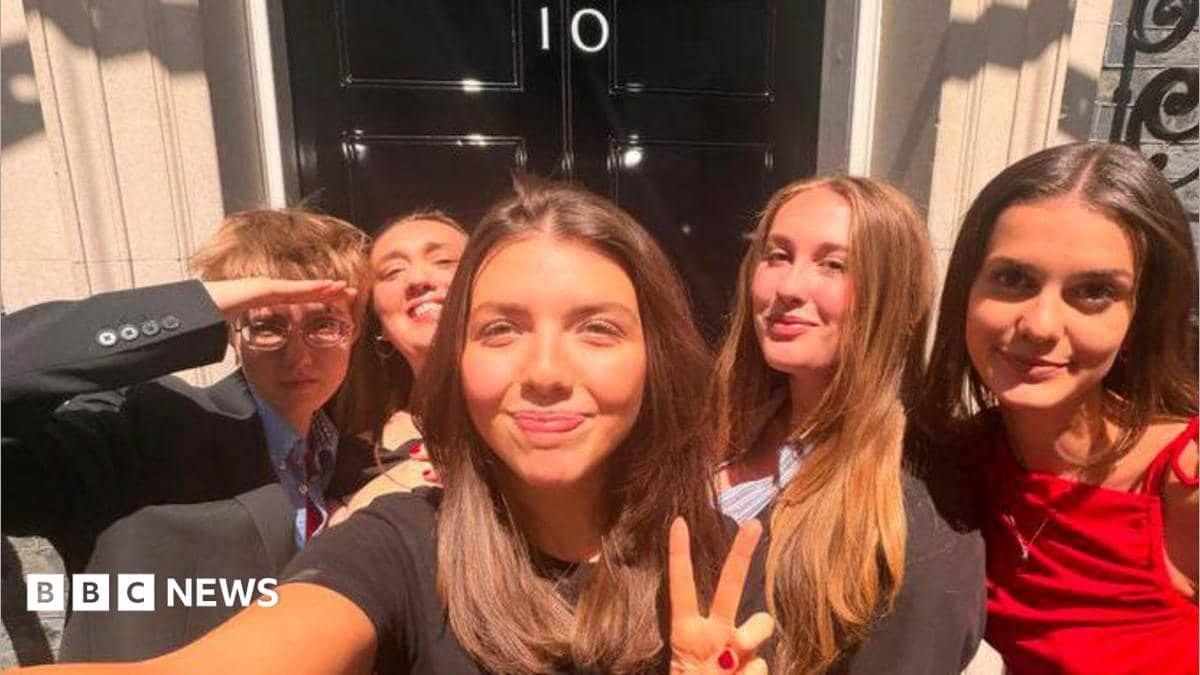
The example of Young Labour supporters whose TikToks took them to Downing Street served as a precedent for this type of direct engagement between politicians and young voters via short-form video content. These organic interactions demonstrated the potential for political messages to resonate powerfully when delivered through authentic, peer-to-peer channels. The new administration intends to leverage similar mechanisms but with the added layer of official government collaboration rather than just relying on an individual politician's social media presence alone. This formal partnership aims to systematically harness the reach and credibility of digital creators to disseminate government messages and policy explanations directly to a wider, and often harder-to-reach, electorate.